
Commercial Roofing Contractors Pleasant Grove, UT
Commercial Roofing • Service Areas • Provo,
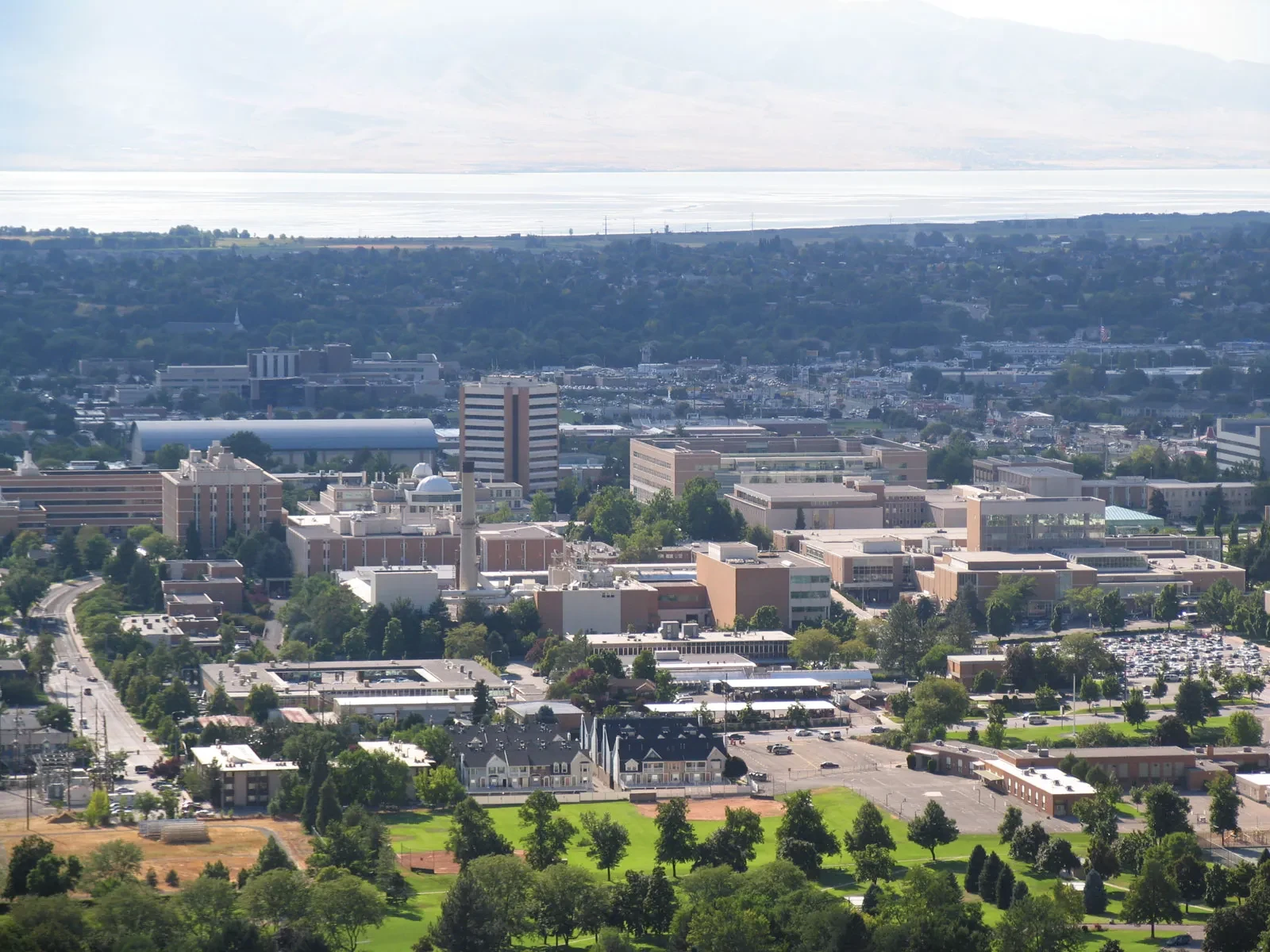
Commercial Roofers in Pleasant Grove
Commercial roofers serving Pleasant Grove should document leak sources, wet insulation, drainage, edge details, penetrations, and repair history before recommending a scope. Pleasant Grove's commercial growth runs on two different tracks. The Valley Grove office campus went up to a tighter envelope standard than most of the county's older office stock, and it's the kind of building where the roof's original performance is genuinely worth protecting. The retail strips along State Street are a more familiar story: older low-slope buildings running package units, where the conversation is reflectivity and insulation condition rather than tenant coordination.
A Tight Envelope on Day One Doesn't Stay Tight on Its Own
Valley Grove's buildings were designed with better continuous insulation and a more disciplined vapor retarder detail than a lot of the office space built along the I-15 corridor a decade or two earlier. That performance is real when the building is delivered. What happens to it afterward depends almost entirely on how carefully each new tenant's mechanical work gets managed, because a multi-tenant office building attracts a steady stream of HVAC modifications, added rooftop units, and new penetrations for exhaust and venting as leases turn over.
None of that is a problem by itself. The problem is when a new curb or penetration gets flashed well enough to stop an immediate leak but isn't tied into the surrounding insulation and vapor retarder correctly, which quietly erodes the building's original energy performance without ever showing up as an obvious failure. A building that scored well on day one can lose real ground over several tenant improvement cycles if nobody's tracking what's been added to the roof.
Keeping a Record of What's Actually Up There
We maintain a running record of a Valley Grove roof's condition: which curbs are active, which units were added for a specific tenant and never removed after that tenant left, and whether each penetration was detailed to match the surrounding assembly when it went in. Without that record, a property manager usually finds out about a poorly flashed penetration only when it starts leaking, sometimes years after the crew that installed it has moved on to other work.
- Active rooftop units and curbs, cross-checked against any left behind by a departed tenant
- Insulation continuity around each penetration compared to the surrounding field
- Vapor retarder integrity at points where tenant HVAC work broke the original membrane
- Added equipment weight or footprint checked against existing drainage patterns
- A documentation trail so the next tenant improvement crew isn't guessing at what's already there
Getting in Front of the HVAC Contractor Before They Cut the Roof
The best outcome on a building like this is catching the mechanical contractor before a new curb gets cut, not repairing after the fact. We work directly with property management to review any planned rooftop penetration ahead of a tenant buildout, confirming the curb location, flashing detail, and insulation tie-in will actually preserve the performance the building was designed around rather than chipping away at it one lease at a time.
State Street's Retail Strips Run a Simpler Equation
Away from Valley Grove, Pleasant Grove's retail strips along State Street are more ordinary low-slope buildings, older on average, running package rooftop units on membranes that are further along in their service life. Here the calculation is closer to what we do across most of the valley: check reflectivity against the building's cooling load, confirm the insulation underneath the membrane is still doing its job, and look at drainage and seam condition before recommending any coating or recover.
These buildings sit under the same Wasatch Front freeze-thaw pattern as everything else along the corridor, so a seam that's been slowly working loose through repeated winter cycling doesn't get hidden under a fresh coating without being addressed first. A reflective surface over a compromised seam just delays a leak that a coating alone was never going to prevent.
Two Buildings, Two Very Different Maintenance Rhythms
We tell Pleasant Grove owners not to apply a Valley Grove maintenance approach to a State Street retail strip, or the reverse. The office campus needs penetration tracking and tenant coordination more than it needs a recover right now. The retail strips need a more standard reflectivity and insulation review, since fewer major mechanical changes happen there year to year. Treating both the same way usually means over-managing one and under-inspecting the other.
Questions From Pleasant Grove Property Managers
How do you keep tenant improvements from damaging a good roof?
By reviewing planned rooftop penetrations before the work happens, and by keeping an accurate record of what's already up there, so every new addition gets flashed and insulated to match the original assembly instead of being treated as an afterthought.
Is Valley Grove's roof performance actually better than the older office buildings nearby?
On delivery, generally yes, given the more current construction standards it was built to. Whether that advantage holds up over time depends heavily on how carefully subsequent tenant work is managed.
Do the State Street retail strips need the same tracking as the office campus?
Less so, since they typically see fewer major HVAC changes over time. We still document any rooftop modifications there, but the primary work is more often a straightforward recover or coating review.
What's the most common mistake you find from past tenant buildouts?
A curb or penetration flashed well enough to solve an immediate leak but never properly tied into the surrounding insulation and vapor retarder, which shows up later as a performance gap rather than an obvious failure.
Can you inspect a roof even if you didn't install the original tenant improvements?
Yes. Most of what we document on Valley Grove roofs was installed by different mechanical contractors over the years. We evaluate the roof as it exists now, not who worked on which piece of it.
Ready to review the roof scope?
Request a Roof Assessment