Metal R-Panel Roofing in Provo, UT
Commercial Roofing • Commercial Roofing Services • Provo,
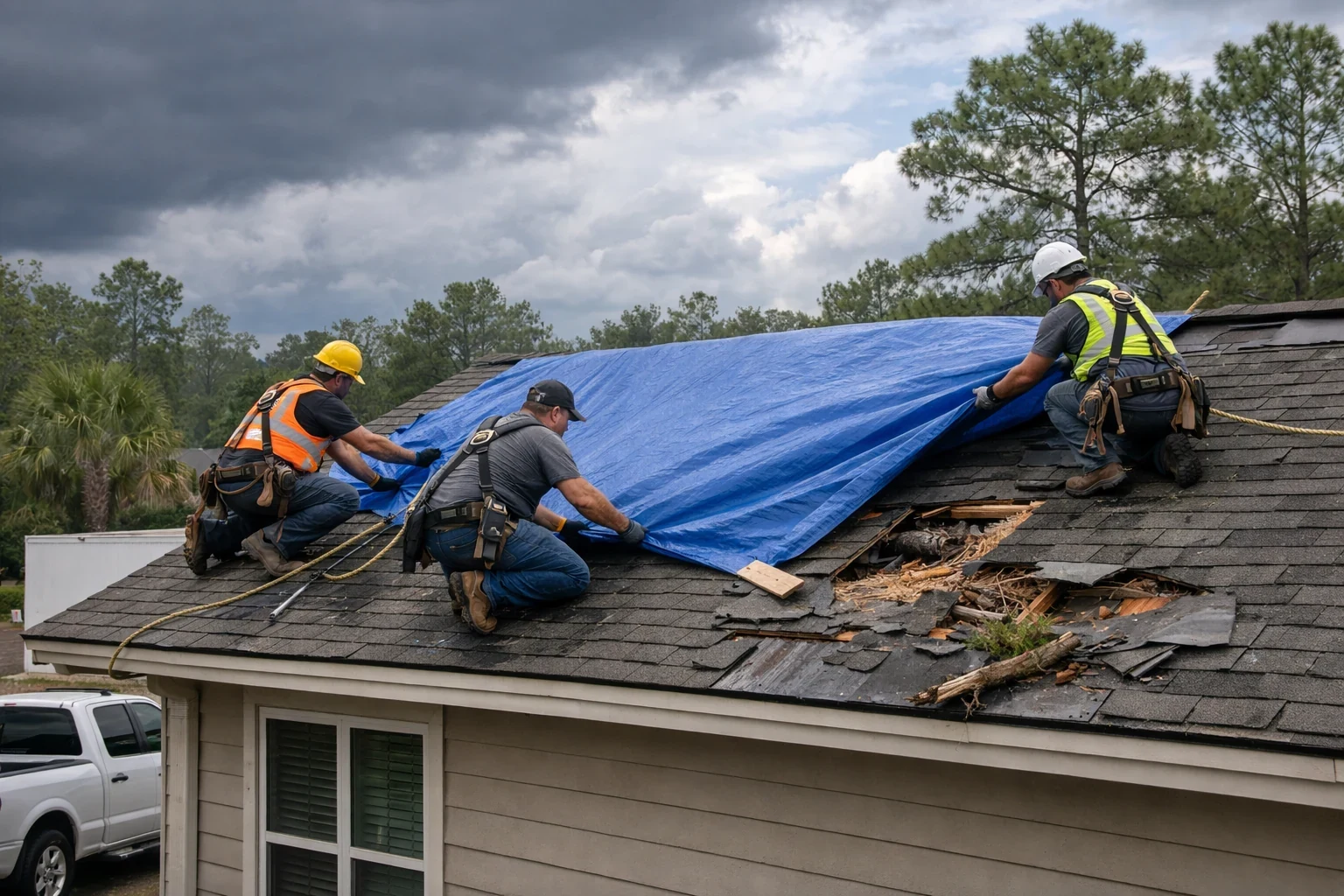
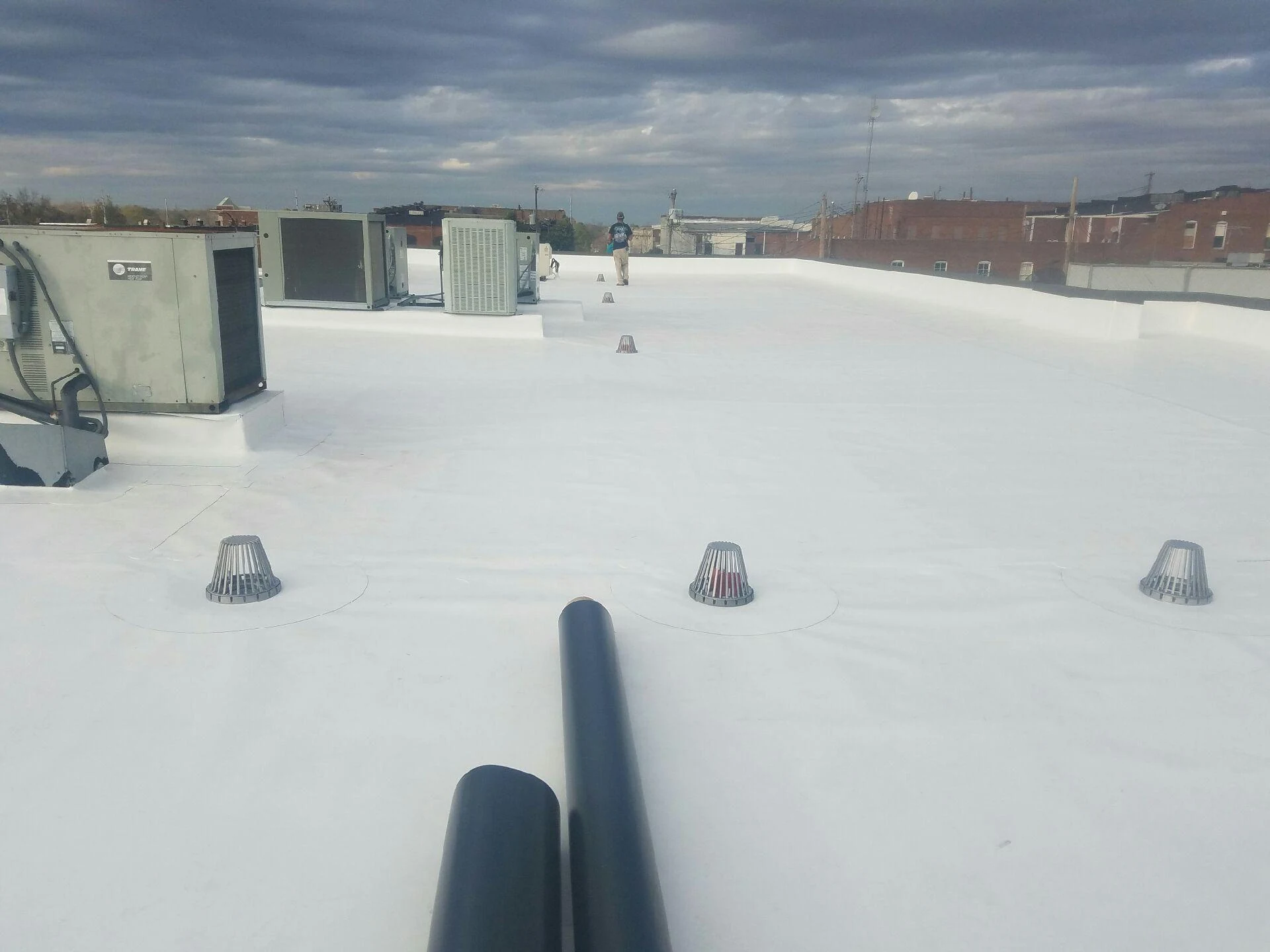
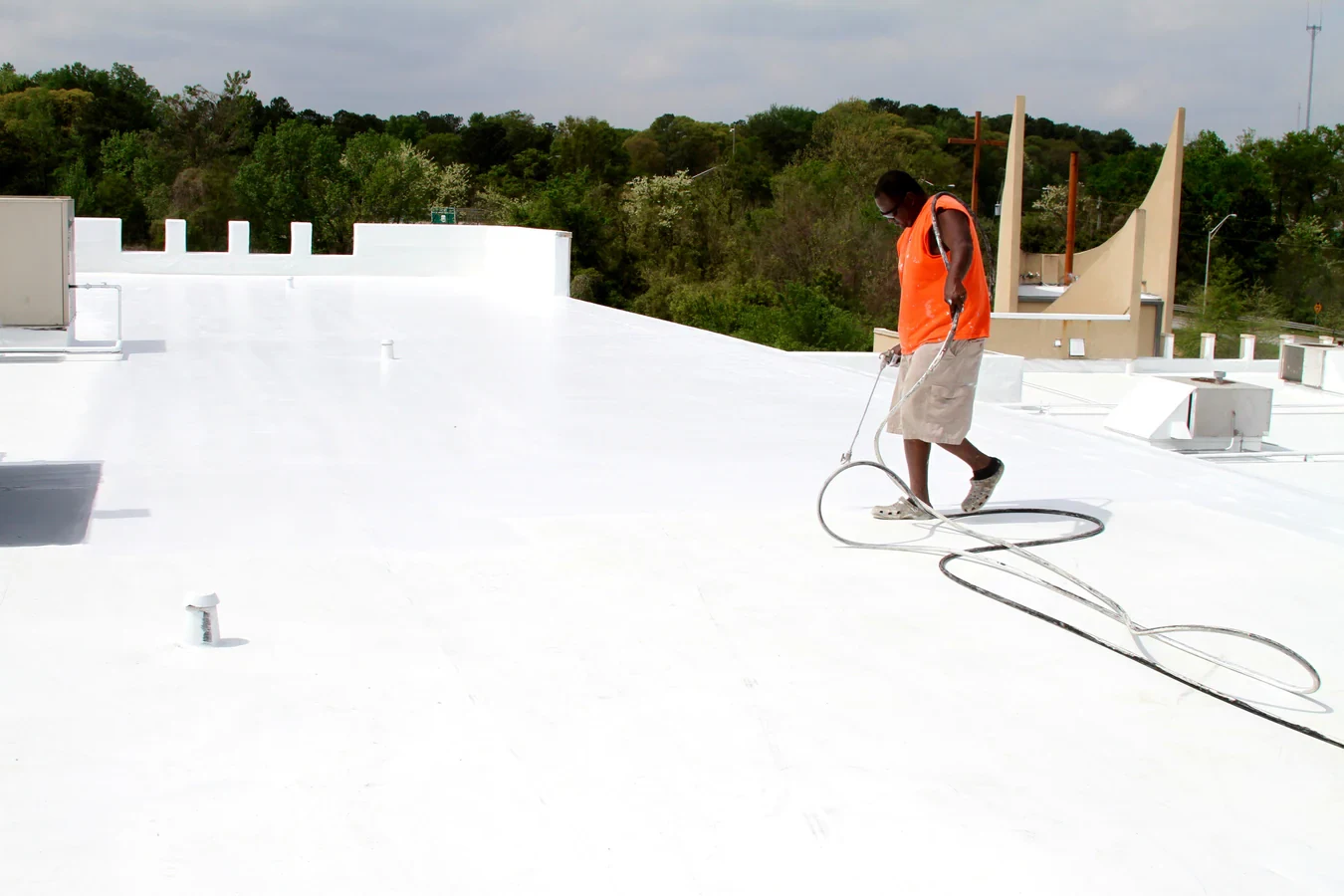
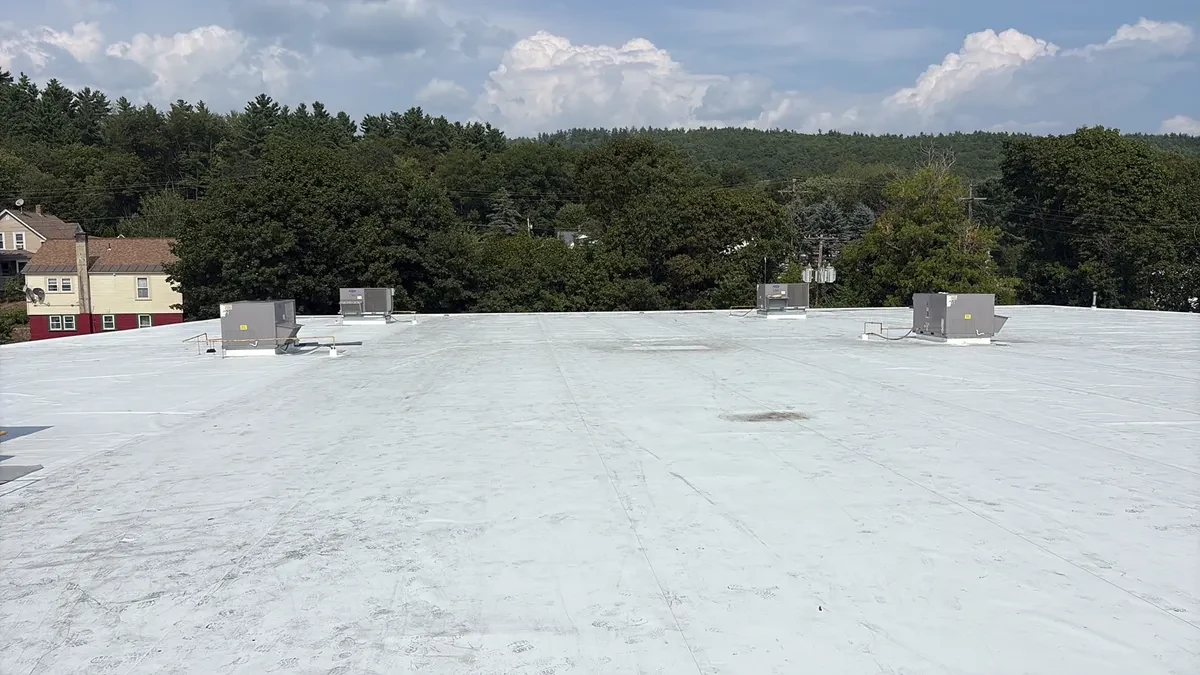
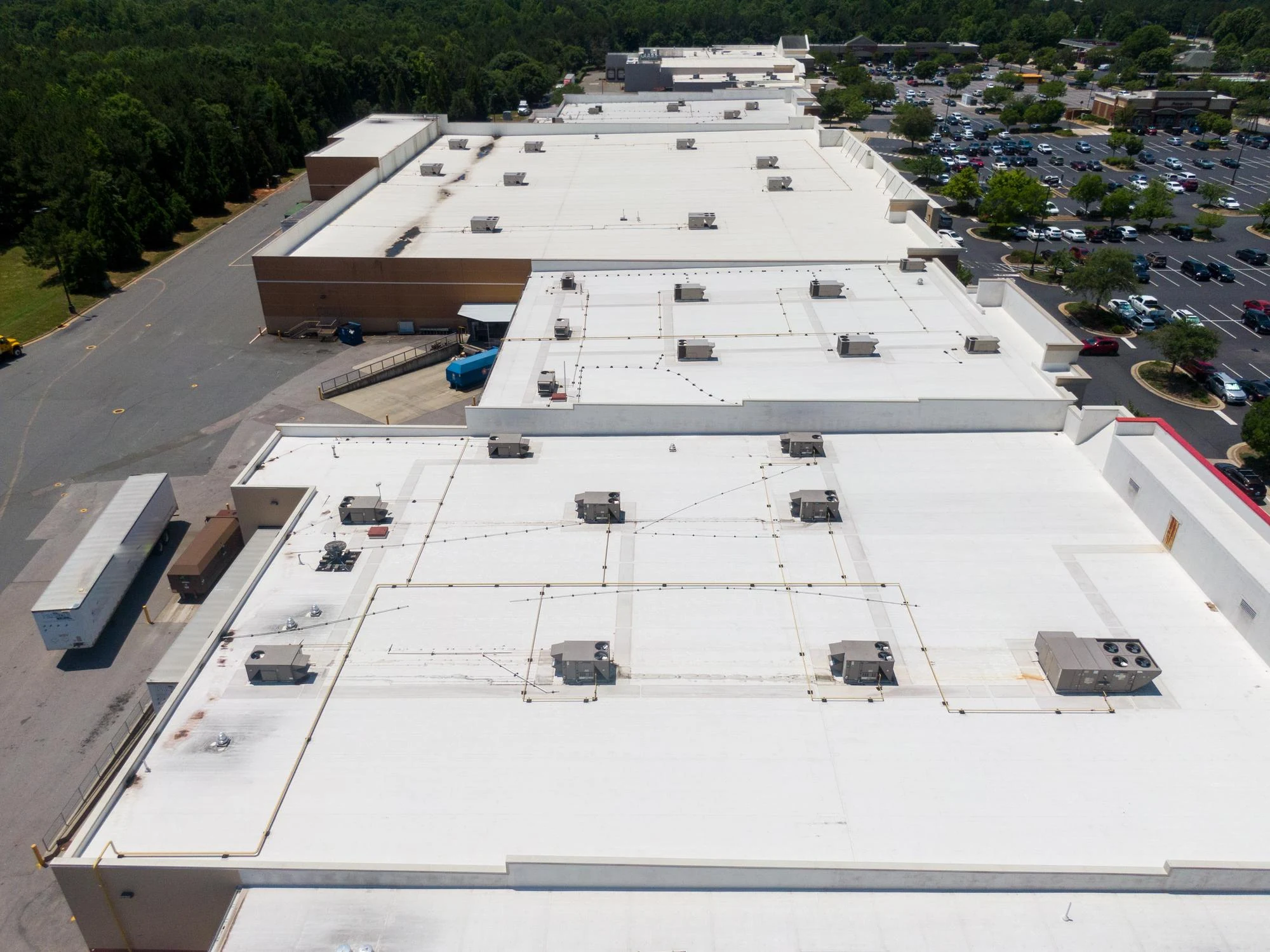
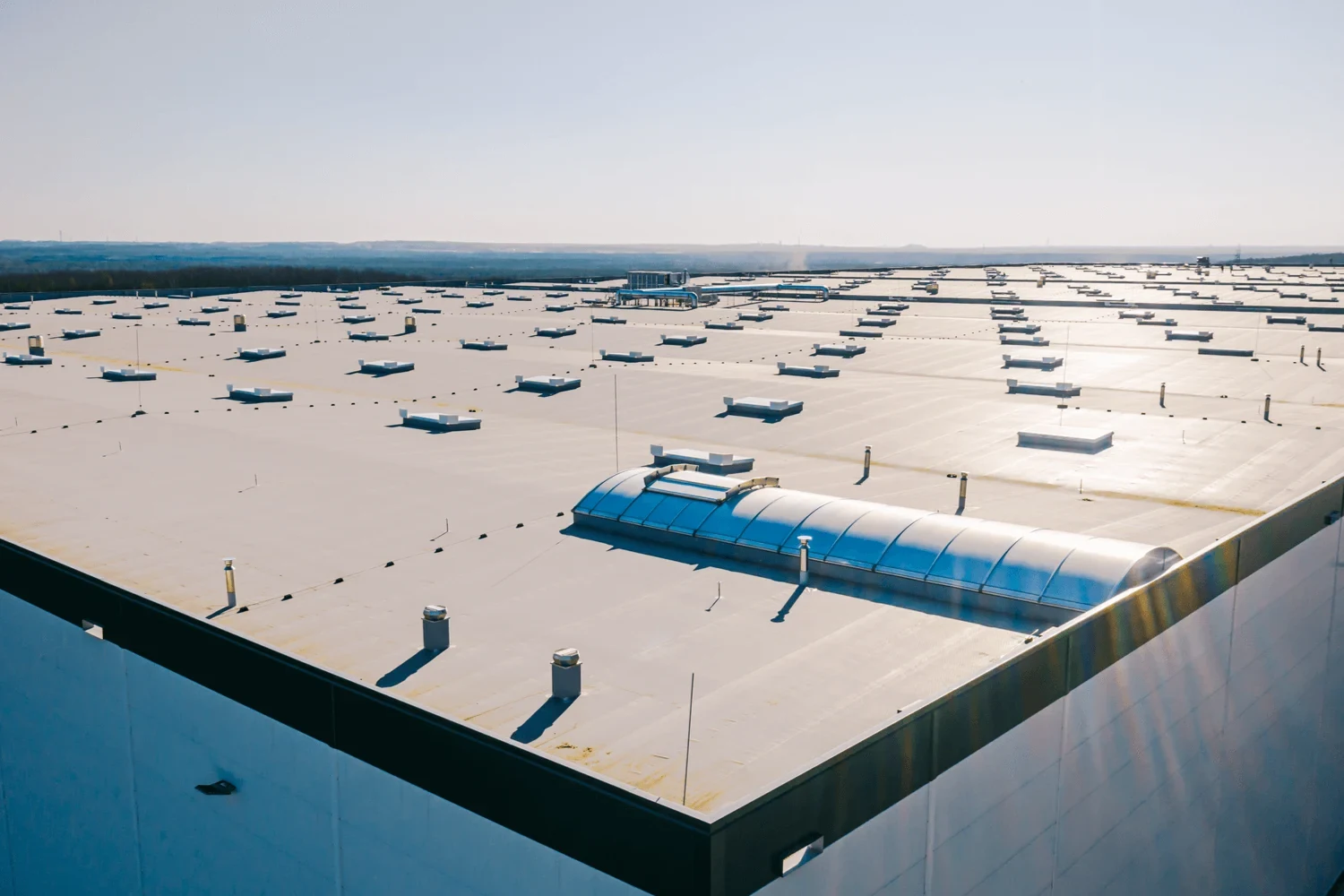
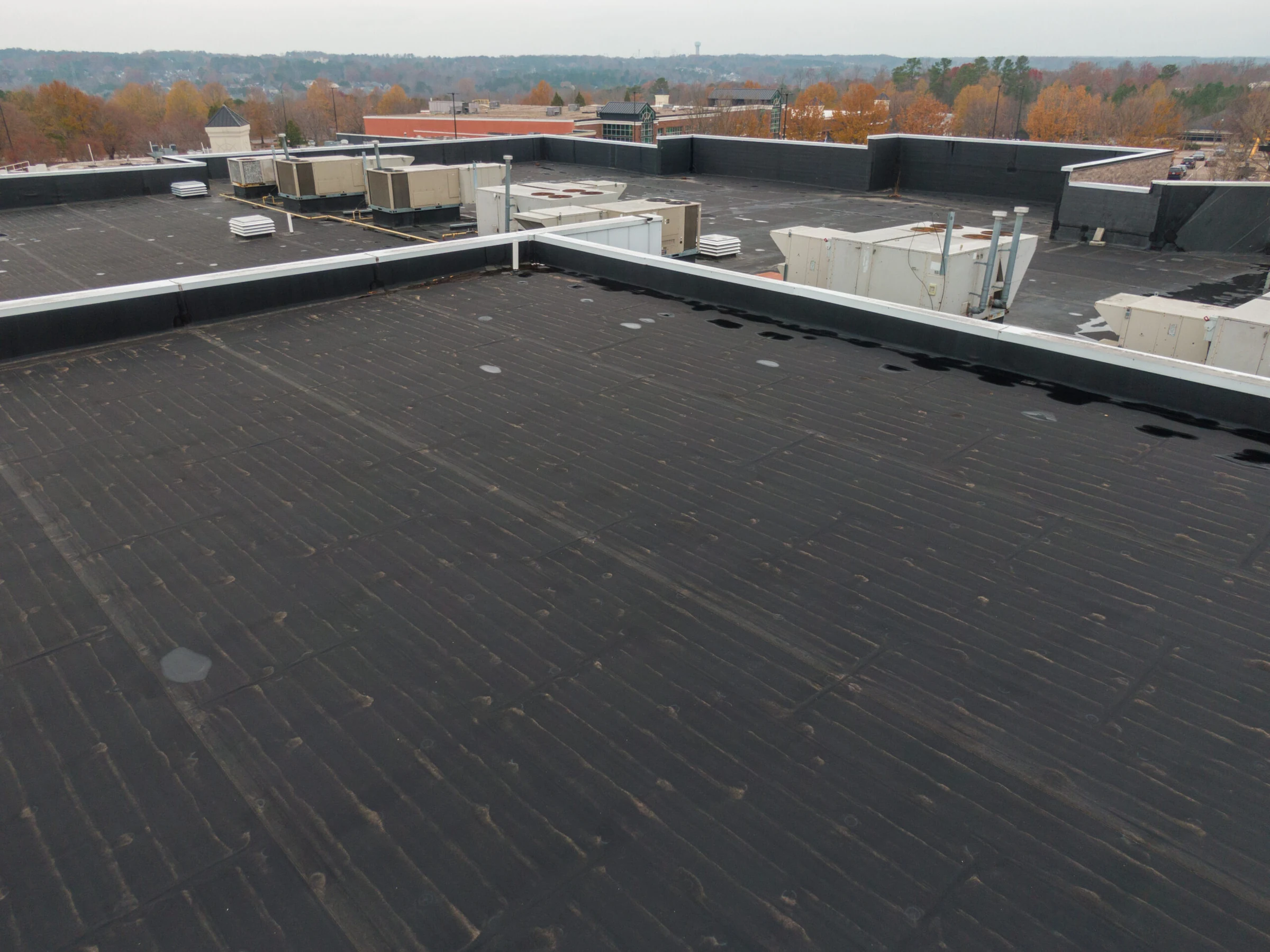
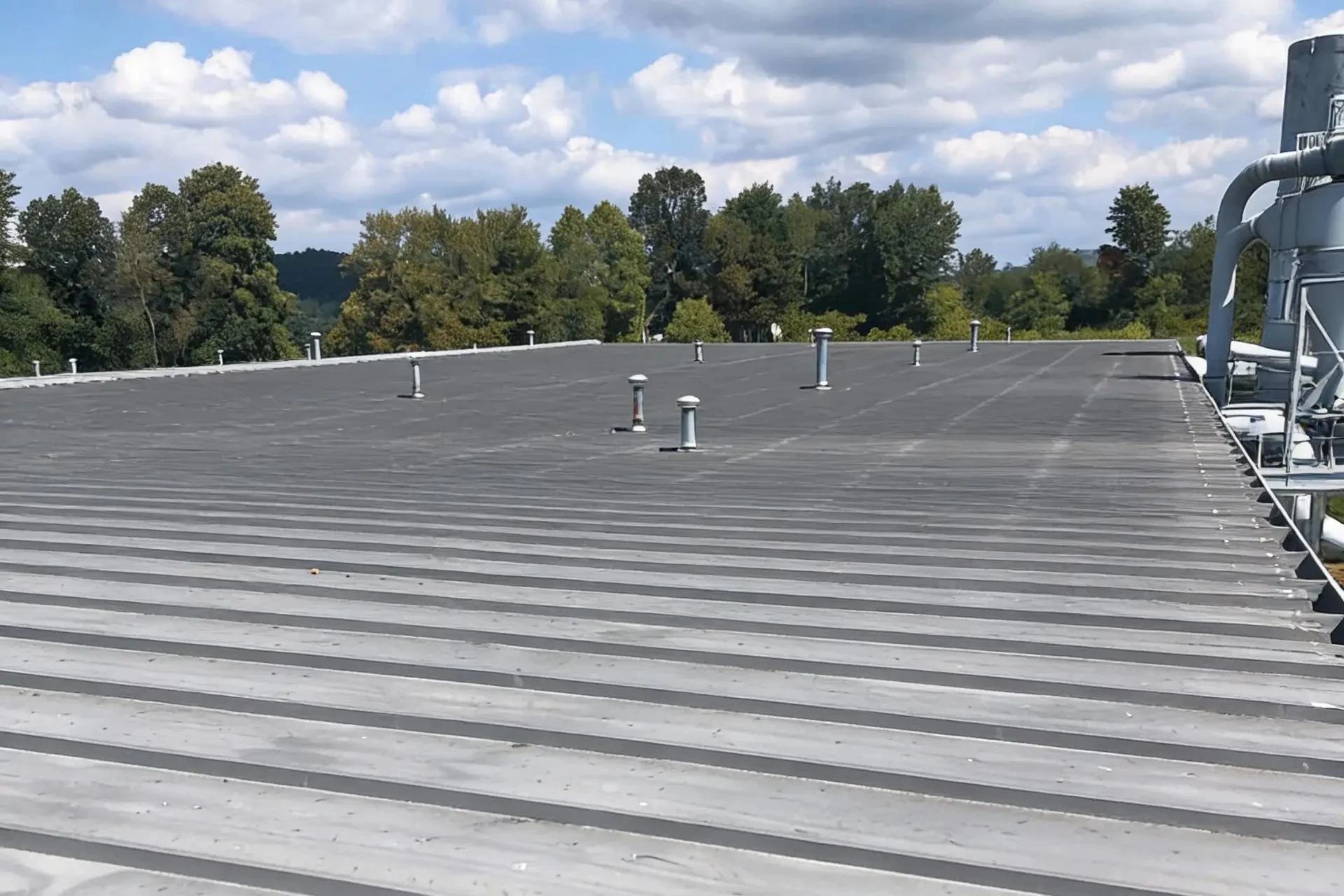
Exposed-Fastener R-Panel on Spanish Fork and Springville Industrial Buildings
Metal R-panel is the roofing system on most of the new industrial and flex shell buildings going up along the Spanish Fork and Springville corridors, where distribution, light manufacturing, and warehouse space is expanding fastest in Utah County right now. We install and repair R-panel because it covers large low-cost buildings quickly and holds up well structurally, though it comes with a specific maintenance profile that owners need to plan for from day one.
Why R-Panel Is the Default on New Industrial Shells
R-panel's ribbed profile and exposed fastener attachment make it the fastest and least expensive metal roofing system to install on a large, simple building footprint, which is exactly the shape of most new construction going up near the growing Spanish Fork airport industrial area and the Springville flex parks along I-15. Developers building speculative warehouse and flex space favor it for upfront cost, and for straightforward buildings without complex rooflines, it performs well for years when the fasteners are maintained.
That last part is the catch. Unlike a standing seam roof's concealed clip system, R-panel's exposed screws are the weather seal at every attachment point, and every one of those screws is a potential leak path once its rubber washer degrades.
Fastener Backout: The Freeze-Thaw Maintenance Problem
Repeated thermal expansion and contraction, especially across the freeze-thaw swings typical of a Utah County winter, gradually works exposed fasteners loose. A screw that backs out even slightly compresses its washer unevenly, and a compromised washer stops sealing long before the screw itself looks obviously wrong from the ground. Left unaddressed, backed-out fasteners are the single most common source of R-panel leaks we get called out for, and they rarely show up as a dramatic failure. Instead, water tracks along the underside of the panel from the loose fastener to wherever the structure allows it to drip, which can be well away from the actual leak point.
We recommend a fastener audit on any R-panel roof past the ten-year mark, checking torque and washer condition across a representative sample of the roof rather than waiting for a tenant complaint to identify a leak location.
Insulation Banding and the Thermal Bridging Gap
R-panel roofs on conditioned buildings typically rely on blanket insulation compressed between the panel and the purlins, held in place with insulation banding. That approach is economical, but it leaves the fasteners themselves as direct thermal bridges through the insulation layer, and compressed blanket insulation performs below its rated R-value once panel weight and screw pressure flatten it. For buildings where interior temperature control matters, whether that is a distribution center running climate-sensitive inventory or an office component built into a flex shell, we look at banding tension and insulation thickness together rather than assuming the spec sheet R-value is what the building is actually getting.
Adding a thermal block or upgrading to a thicker banded system at reroof time is one of the more cost-effective envelope improvements available on an R-panel building, and it is worth discussing even on a roof that is not yet failing.
Reflective Retrofit Coatings for an Aging R-Panel Roof
An unfinished or dark R-panel roof absorbs a substantial amount of solar heat, which drives cooling load on any conditioned space underneath during Utah County's high-UV summer stretch. A reflective coating applied over a sound, structurally intact R-panel roof restores lost factory-finish reflectivity and can meaningfully cut that heat load without the cost of a full panel replacement. We evaluate panel condition, rust, and seam sealant before recommending a coating retrofit over full replacement, since coating a roof with active structural corrosion just delays a more expensive fix.
Repair Versus Panel Replacement
- Industrial and flex shell buildings along the Spanish Fork airport corridor
- Springville warehouse and light manufacturing space
- Agricultural and equipment storage buildings on economical budgets
- Older R-panel roofs with widespread fastener backout needing a full re-fastening pass
- Buildings where a reflective coating can defer full panel replacement
Isolated panel damage, from hail impact or a failed flashing detail, usually gets a targeted panel or trim replacement rather than triggering a full reroof. Widespread fastener failure across the roof field is a different conversation, and at that point a full re-fastening pass with upgraded screws and washers is often more cost-effective than chasing individual leaks one at a time.
R-Panel Questions From Industrial Building Owners
How often do R-panel fasteners need to be checked?
We recommend an audit at the ten-year mark and every few years after that, since backed-out or under-torqued fasteners are the most common source of leaks on this system and rarely show visible warning signs.
Is R-panel a good choice for a conditioned office space inside a flex shell?
It can work, but the insulation and thermal bridging need more attention than on an unconditioned warehouse section. We size banded insulation to the specific conditioned zone rather than applying one spec to the whole building.
Can a reflective coating be applied to an older, slightly rusted R-panel roof?
Sometimes, after surface prep and rust treatment, but active structural corrosion needs to be addressed first. We inspect panel condition before recommending a coating over replacement.
What causes most R-panel leaks?
Backed-out or under-torqued exposed fasteners at panel laps and purlin attachment points, far more often than damage to the panel material itself.
Does R-panel cost less than standing seam long-term?
Upfront cost is lower, but standing seam typically requires less ongoing fastener maintenance. We walk owners through both the installed cost and the maintenance cost over a realistic ownership horizon.