Retail Chain Roofing in Provo, UT
Commercial Roofing • Industries We Serve • Provo,


One Roof Program Across a Dozen Storefronts in Utah County
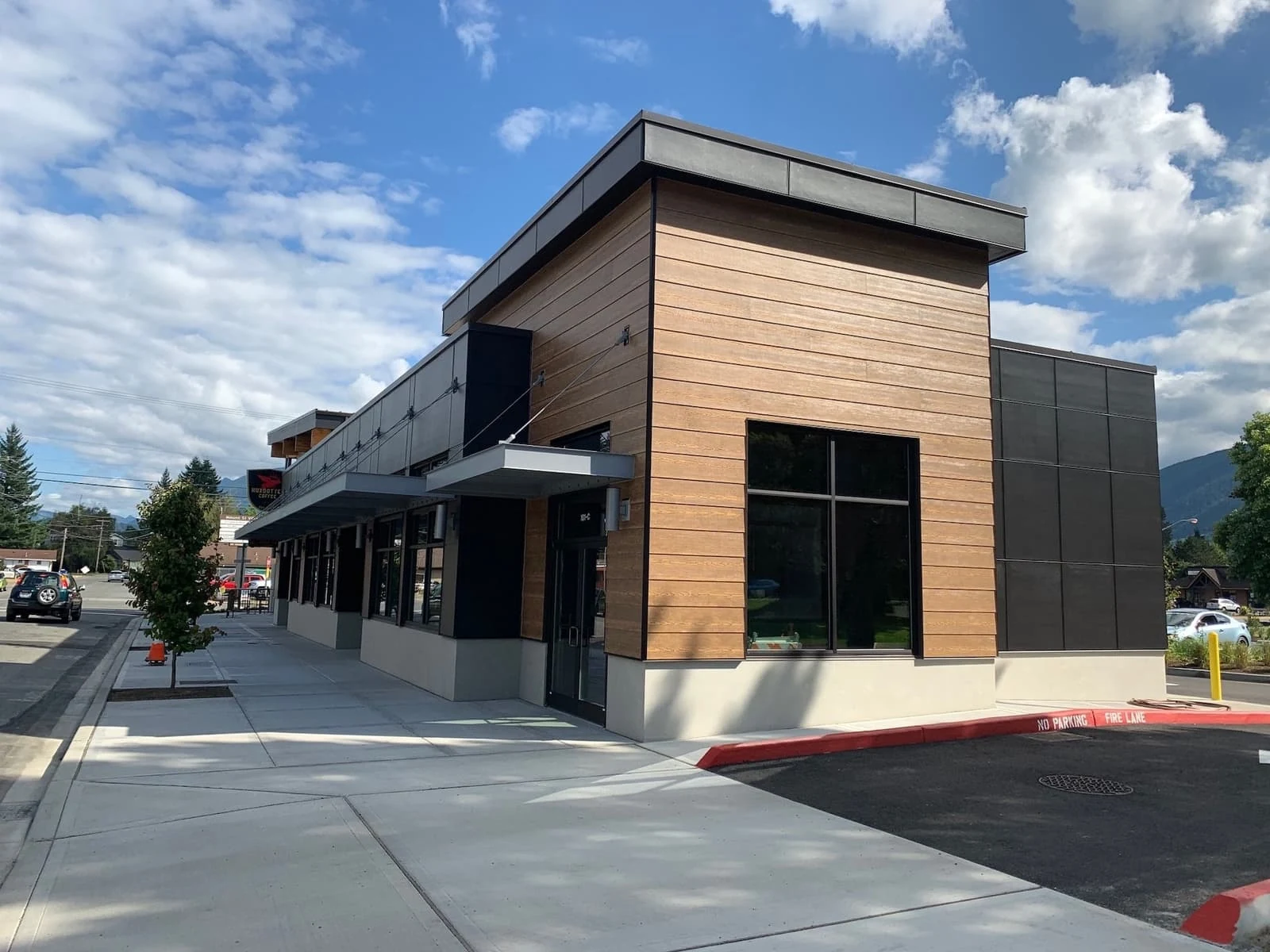
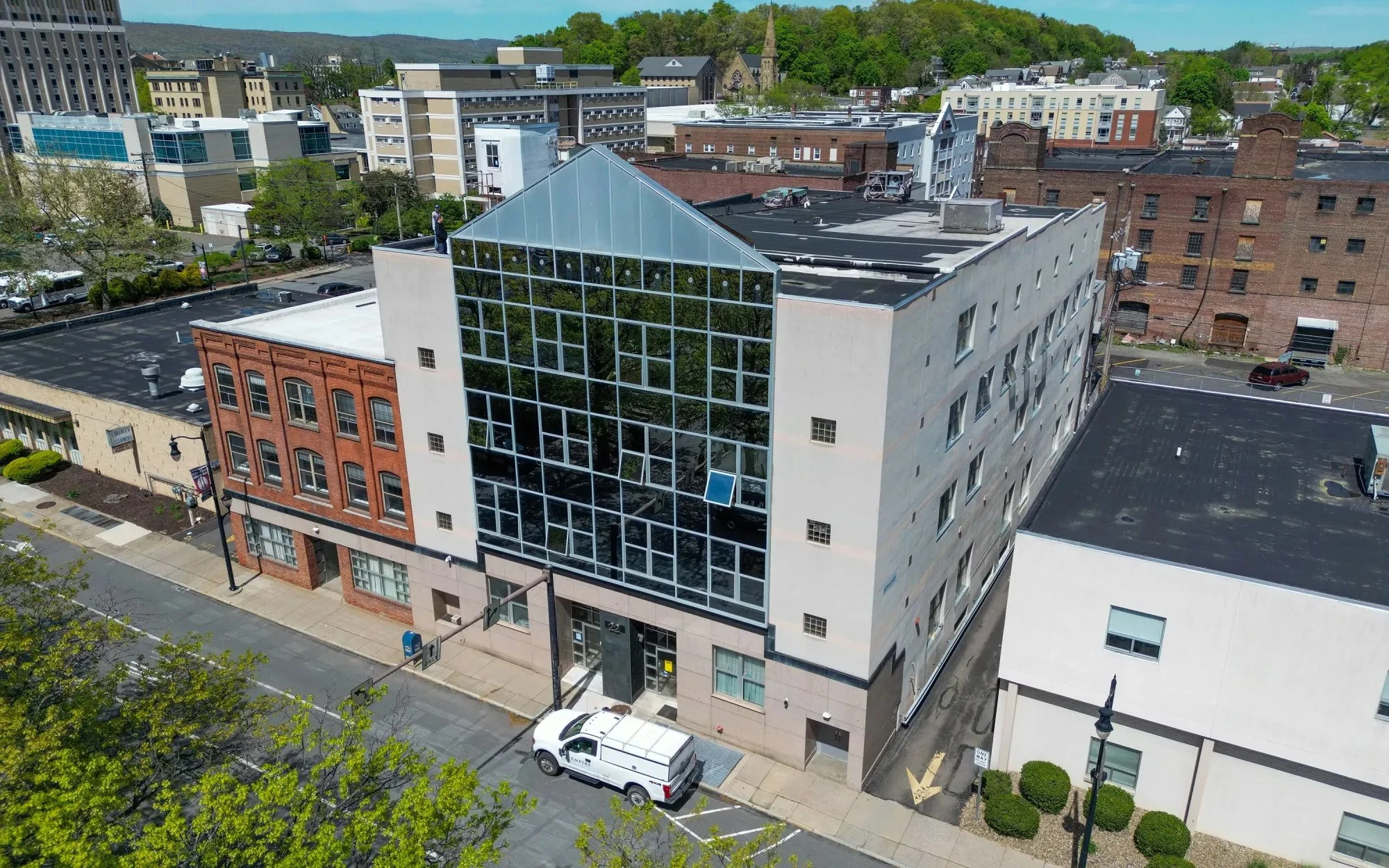
Retail space along State Street, inside Riverwoods, and on the new pads going up in Saratoga Springs and Eagle Mountain is filling in faster than almost anywhere else in the state, and a chain operator running multiple locations here needs one roof program across all of them, not a separate bid and a separate relationship for every store. We work with regional facilities managers and national accounts teams to keep a chain's roof spec, documentation, and scheduling consistent store to store.
Different Vintages, Same Brand, Very Different Roofs
State Street through Orem and Provo carries an older mix of retail buildings, some dating back decades, mixed in with newer construction near University Place. Riverwoods on the north end of Provo runs a different profile again, more dining and lifestyle retail than big-box. Meanwhile the pads filling in around Saratoga Springs, Eagle Mountain, and the Spanish Fork big-box corridor are brand-new construction on greenfield land, built to current code from day one.
A chain with locations across all of those corridors is managing four or five genuinely different roof ages and conditions under one brand name, even though the storefront signage looks identical from the parking lot. A blanket maintenance number or a single assumed remaining-life estimate across the whole portfolio doesn't reflect that spread, so we track condition store by store rather than rolling it into one average.
Matching a Brand's Prototype Spec Instead of Reinventing One
Most chains build to a prototype architectural spec that defines membrane type, insulation R-value, and drainage detail well before a location ever gets sited in Utah County. When we bid reroof or repair work, we match that existing prototype assembly rather than substituting whatever system we'd prefer to install, because consistency across locations is usually worth more to a regional facilities manager than a marginal difference in one contractor's preferred membrane.
Where local conditions genuinely call for a deviation, snow load on a Saratoga Springs pad site, or a drainage detail that doesn't quite fit a particular building footprint, we flag that in writing and get it approved by the regional facilities manager before making any change, rather than substituting on our own judgment in the field.
Keeping the Doors Open During the Work
Tear-off and any noise-heavy phase of a project get scheduled outside business hours wherever the store's format allows it, with parking lot, entries, and drive-thru lanes kept clear of material staging during open hours. Grocery-anchored strip centers need delivery truck windows factored into the schedule too, since a roofing crew's material lift can't be competing with an early-morning freight delivery at the same loading dock.
When a phase genuinely can't be finished overnight, we set up barriers and signage that keep customers routed away from the work area without shutting down the storefront, and we coordinate that visible presence with the store manager so it doesn't show up as a surprise disruption on a Saturday. Standalone quick-service buildings with a drive-thru lane get their own choreography, since that lane usually can't close at all during business hours without a direct cost to the store.
Retail building types across our current chain work in this market:
- Standalone quick-service and drive-thru buildings
- Big-box anchor stores
- Grocery-anchored strip centers
- Sit-down restaurant buildings
- Fitness centers and gyms
- Multi-tenant retail pads
Rolling Up Utility Cost Across a Multi-Store Portfolio
A single store's rooftop unit run-time drop after a reflective recover is a useful number, but a regional facilities manager cares more about what that same change does across five or ten stores in the same portfolio, since that's the figure that actually moves a regional capital budget. We track surface temperature and estimated run-time impact per location and format it so it rolls up cleanly into a portfolio-level report instead of arriving as five unrelated documents in five different formats.
That consistency matters as much on the invoicing and reporting side as it does on the technical side. A national accounts team reviewing roof spend across multiple markets needs the same line items and the same photo-log format from every contractor in every city, and we build our reporting to match whatever standard your accounts team already uses rather than asking you to adapt to ours. It's the same documentation approach we bring to any preventive maintenance program we run across a portfolio.
Questions Regional Facilities Managers Ask
Can you work from our prototype roof spec instead of substituting your own system?
Yes, we match the existing brand prototype assembly on reroof and repair work and only propose a deviation when local site conditions genuinely require one, with your sign-off before any change is made.
Do you invoice and report in a format that rolls up across multiple store locations?
Yes, we format pricing, photo logs, and condition reports to match whatever standard your accounts team already uses for portfolio-level reporting.
Can tear-off and loud work happen only outside business hours?
In most cases yes, and we schedule the disruptive phases overnight or before opening wherever the store's format and local noise rules allow it.
How do you handle a site where local conditions require deviating from the corporate spec?
We document the specific reason, whether it's snow load or a site-specific drainage issue, and get written approval from your regional facilities manager before making any change to the prototype assembly.
Can you coordinate scheduling with a store's delivery truck windows?
Yes, tell us the store's freight and delivery schedule and we'll route material staging and lift access around it rather than competing for the same loading dock.