
Commercial Roofing Contractors Woodland Hills, UT
Commercial Roofing • Service Areas • Provo,
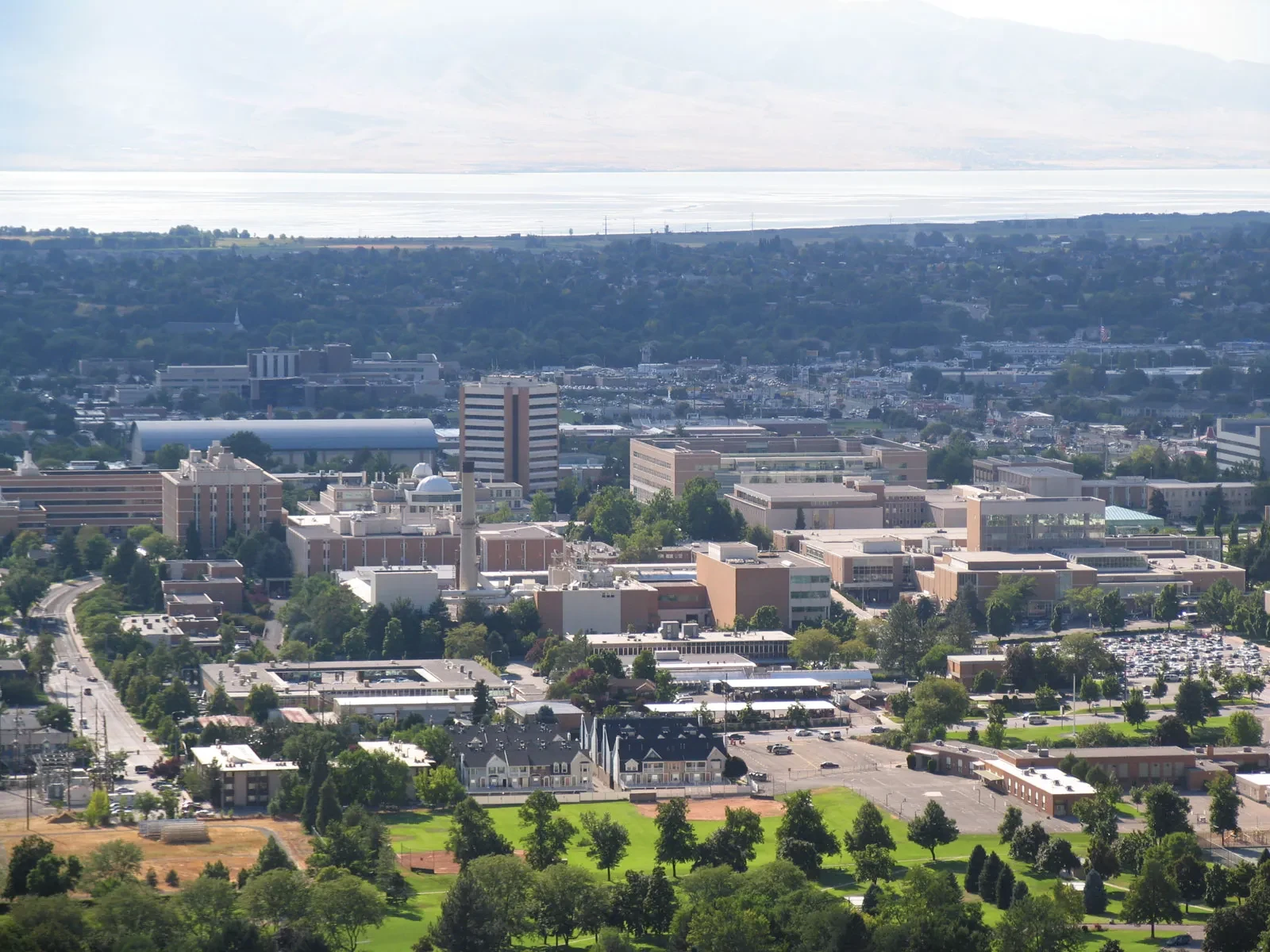
Commercial Roofers in Woodland Hills
For commercial properties in Woodland Hills, the defensible choice between repair, restoration, and replacement starts with roof-system condition, moisture findings, drainage performance, and remaining service life. Woodland Hills is a small foothill community wedged against the mountains above Salem and Elk Ridge, built almost entirely as a residential enclave. The commercial-grade roofing here is limited to the town's civic core: the town hall, the meetinghouse, and the shared fire station, plus whatever outbuildings support them.
A Town Without a Commercial Strip, by Design
Woodland Hills was platted as a residential foothill community, and it has stayed that way. There is no retail corridor, no office park, and no reason to expect one given the town's zoning and its position tucked against the hillside above the valley floor.
That does not mean there is no roofing work here. It means the work is concentrated on a small number of buildings that carry outsized importance for a town this size - the places residents actually gather.
That concentration of use also means a single missed inspection carries more relative weight here than it would in a larger town with dozens of buildings to spread the risk across. We treat Woodland Hills' small building count as a reason to be more consistent about scheduling rather than less, since there is no larger portfolio elsewhere in town to absorb the cost of one overlooked roof going unchecked for a season. For a town this size, that kind of attention is easier to keep up with than it sounds, since there simply are not many roofs competing for the same slot on the calendar.
Town Hall and the Meetinghouse Set the Standard
The town hall and the local meetinghouse are the two buildings in Woodland Hills where a roof failure would actually disrupt something - council meetings, community events, and regular congregational use all run through these addresses.
We treat inspection frequency on these two roofs the way we would a much larger commercial building, because the consequence of a missed leak is the same relative to the town's size: no alternate venue, no easy workaround, just a wet ceiling and a canceled meeting.
Foothill Position Brings Its Own Weather Pattern
Sitting against the hillside above the valley floor, Woodland Hills catches wind patterns and snow accumulation that differ from the flatter ground below. Storms often deposit more snow here and hold it longer, since the elevated, tree-adjacent terrain keeps temperatures a few degrees cooler on average.
That has a direct effect on roof load duration and on ice formation at eaves and valleys, which we account for when we walk a roof up here rather than defaulting to standard valley-floor assumptions.
What We Look For on the Town's Key Buildings
On a small roof inventory like this, the return on a careful inspection is high relative to the cost, since there is no large operating budget to absorb a surprise emergency repair.
- Flashing condition at valleys, chimneys, and roof-to-wall transitions
- Gutter and downspout function ahead of snowmelt season
- Attic or cavity ventilation, checked for moisture buildup from condensation
- Ice-damming risk at eaves given the site's elevation and shade pattern
- Sealant integrity at any roof penetrations for vents or mechanical equipment
Every visit covers the same core list, adjusted for whichever building we are on:
Fire Station Roofs Get a Different Kind of Priority
The shared fire station roof carries a different kind of consequence than the town hall or meetinghouse - equipment underneath needs to stay dry and operational regardless of weather, which means we treat any deferred maintenance there as unacceptable rather than merely inconvenient.
We schedule inspection and any needed repair work around the station's operational needs first, since downtime is not something a fire station can absorb the way an office building sometimes can.
A Roofing Relationship That Outlasts Any Single Repair
Because Woodland Hills has so few buildings that need commercial-grade roofing, we get to know each one specifically rather than treating every visit as a first-time assessment. That continuity means we can tell a building manager whether a new stain matches a known issue we've been watching or represents something genuinely new.
For a town this size, that kind of institutional memory about three or four buildings is worth more than a generic maintenance contract, since it means problems get caught based on actual change over time rather than a checklist that doesn't know the building's history.
Questions From Woodland Hills' Civic Building Managers
Is there really enough roofing work in Woodland Hills to warrant a local service call?
For the town's core buildings, yes. A small number of roofs does not mean small consequences when one of them leaks over an occupied meeting space or a fire bay.
How does the foothill location change your approach?
We account for heavier, longer-lasting snow accumulation and ice-damming risk at eaves, both of which run higher here than on the valley floor a few miles below.
Do you handle emergency calls for the fire station roof specifically?
Yes, and we prioritize that building's schedule differently than a typical civic or church roof given what sits underneath it.
What is the biggest risk you see on small civic roofs like these?
Deferred flashing repair. On a small roof the temptation is to let a minor flashing gap go another season, and that is usually where the real damage starts.
Do you offer any kind of standing maintenance plan for a town this size?
Yes, sized to the number of buildings actually involved rather than a generic commercial package built for a much larger portfolio.
Ready to review the roof scope?
Request a Roof Assessment