
Silicone Roof Coating in Provo, UT
Commercial Roofing • Roof Systems • Provo,
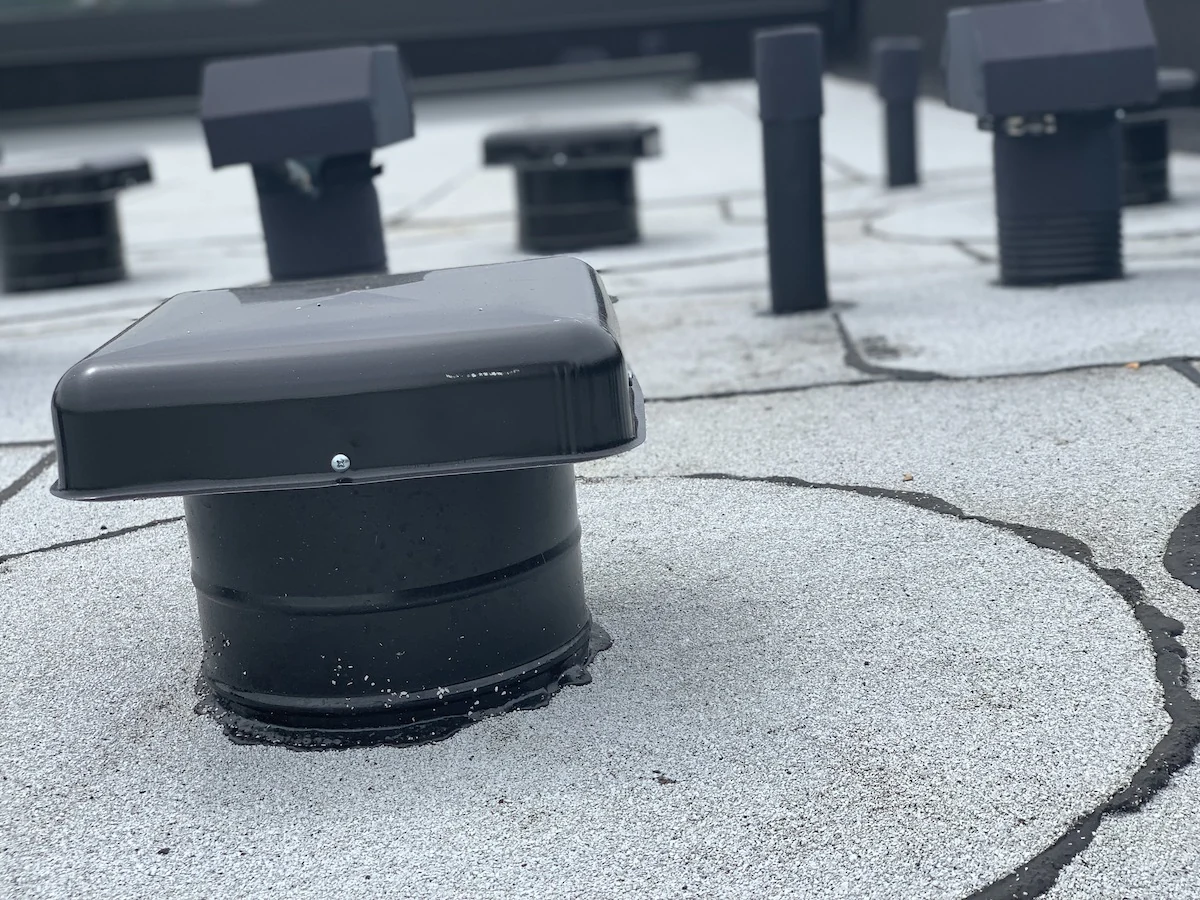
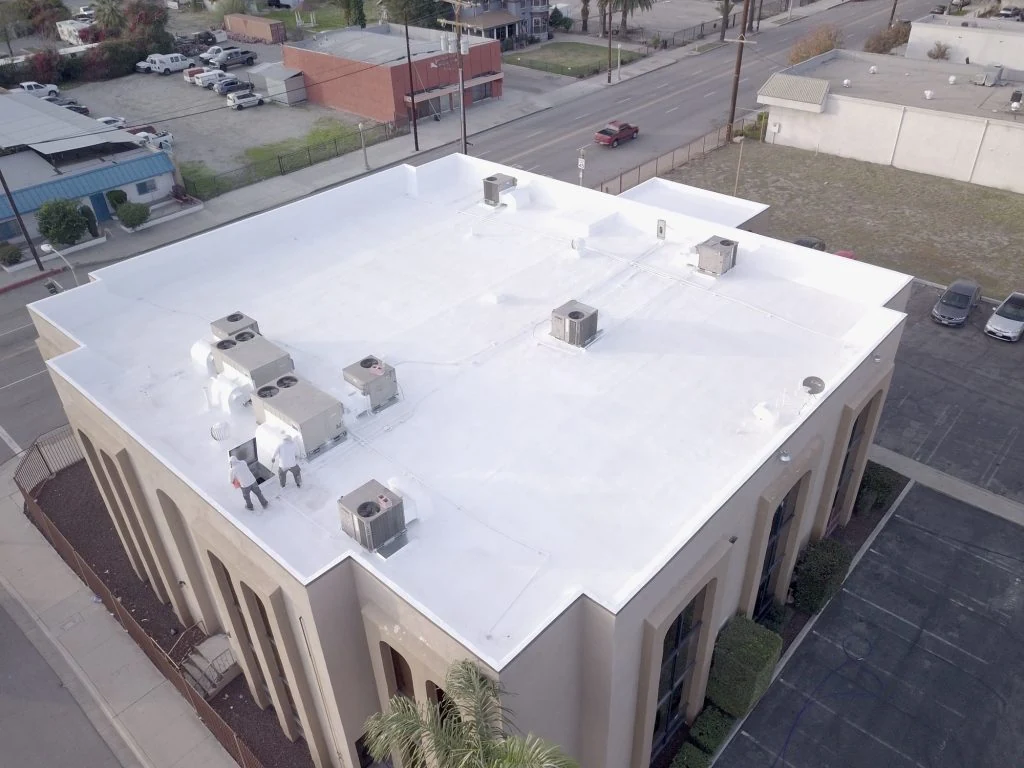
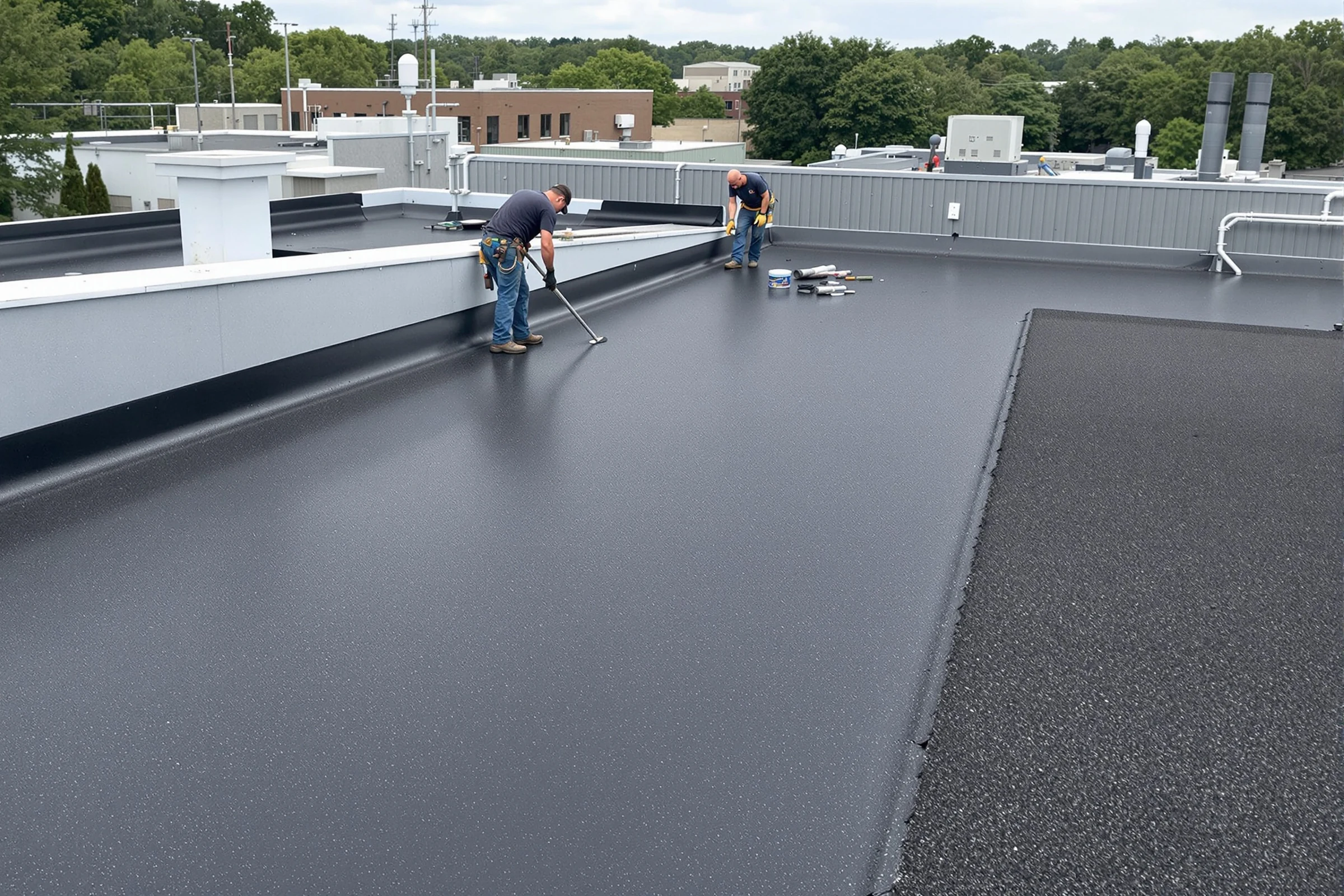
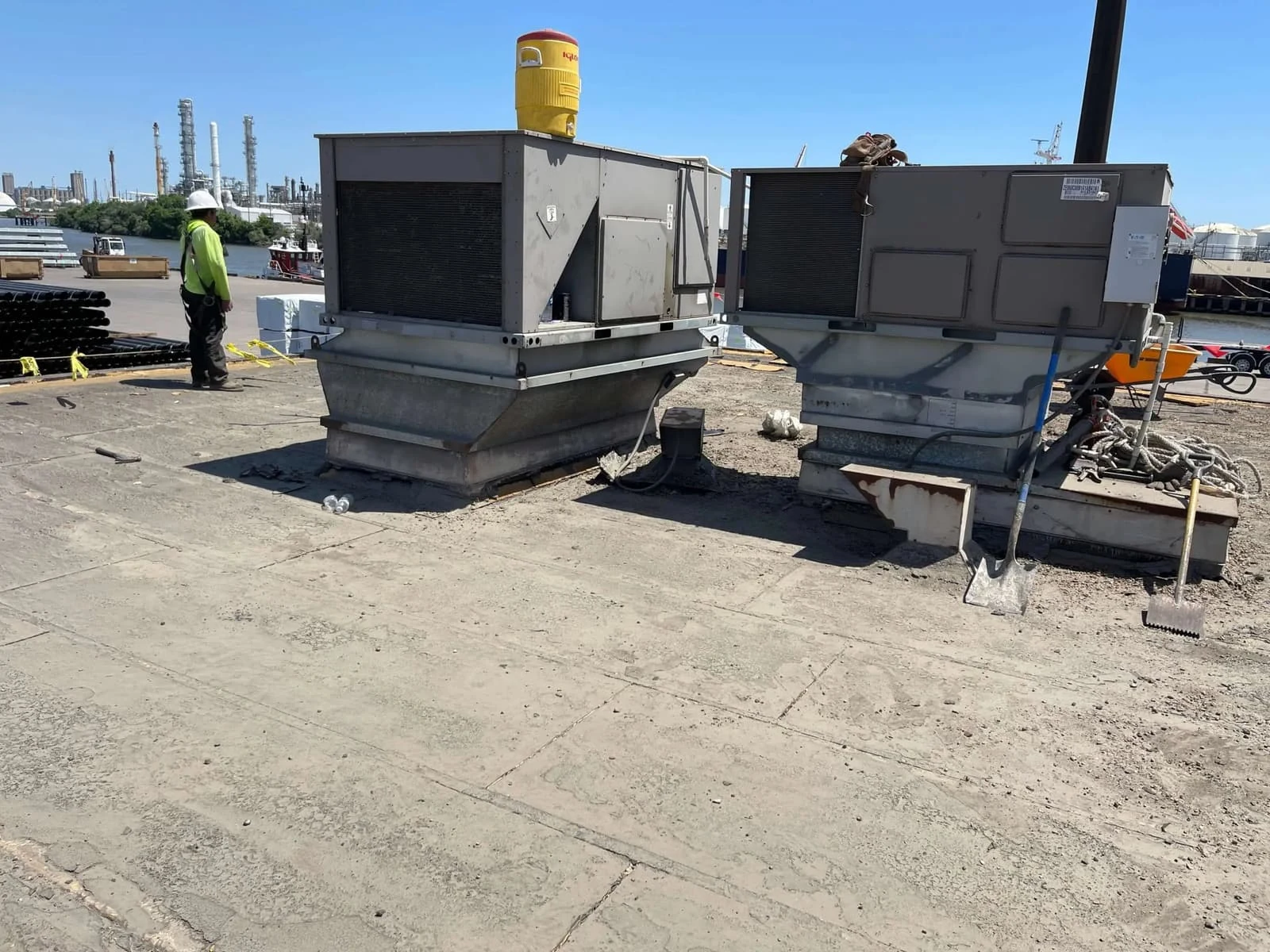
Silicone Coating: Restoring an Aging Roof Instead of Replacing It
Not every roof that's losing reflectivity or developing surface wear needs a tear-off. On a lot of the older flat roofs around downtown Provo and the University Mall retail corridor, a silicone restoration coating buys another decade of service life at a fraction of full replacement cost, provided the underlying deck and insulation are still dry and sound. That qualifying check is the whole conversation before we recommend coating over replacement.
Ponding Water Resistance Sets Silicone Apart
Acrylic coatings break down under standing water over time. Silicone doesn't, which is why it's the coating we default to on roofs with any history of ponding, a common condition on older flat roofs with insufficient slope or drains that were never sized right for the building. If a roof holds water for more than 48 hours after a storm, we look at silicone first rather than a cheaper acrylic that would fail in the same spot within a few seasons.
That resistance matters more here than in a lot of markets, because Utah Valley's spring snowmelt and summer thunderstorm runoff both put real water load on flat roofs with marginal drainage, and a coating that degrades under ponding just moves the leak problem down the road.
Reflectivity Recovery and the Utility-Cost Case
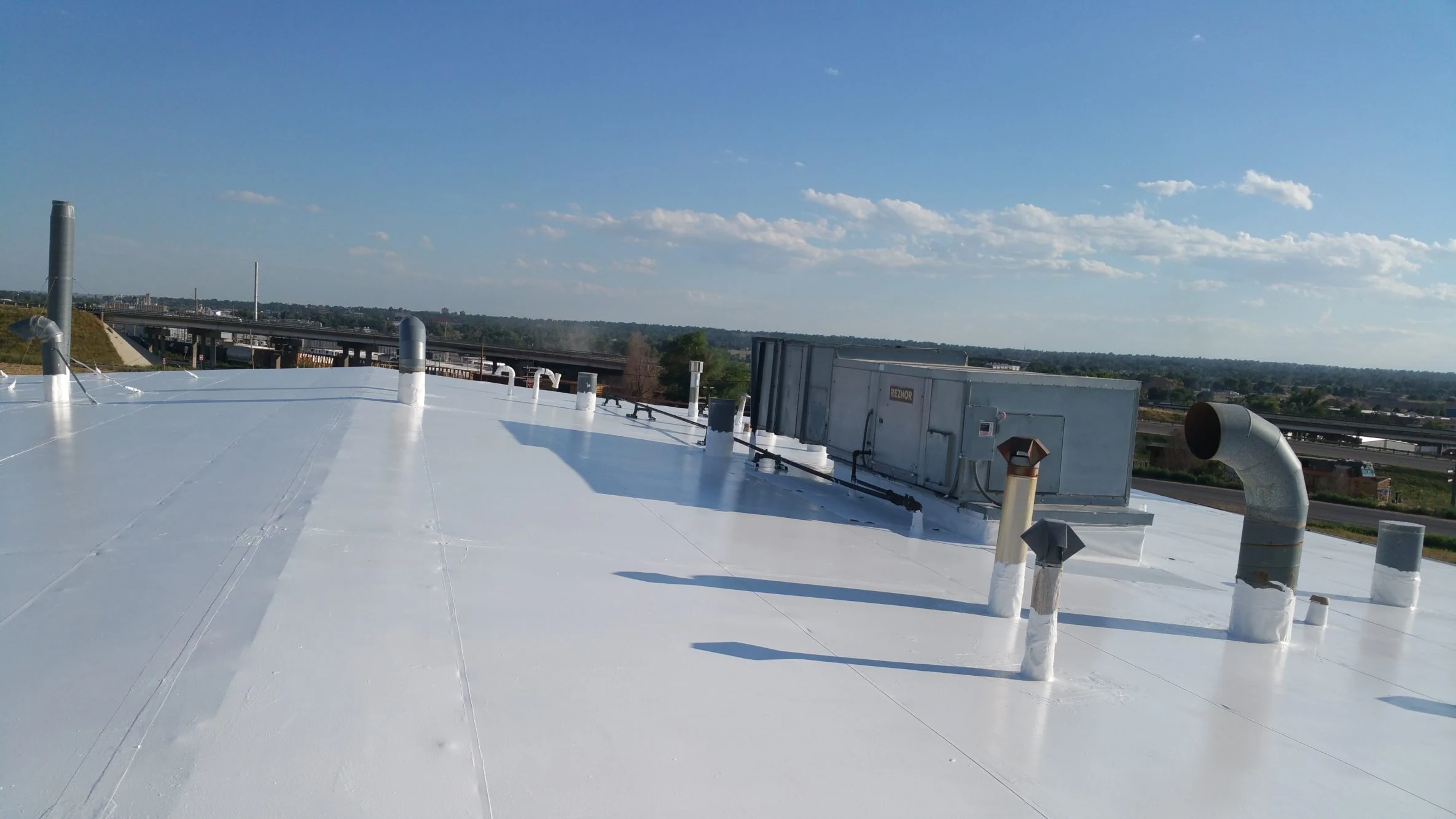
An aged built-up or modified bitumen roof that's gone dark and chalky can be pushing deck temperatures well above what a fresh white membrane would see. Recoating it with a high-reflectivity silicone system brings that surface temperature down close to what a new single-ply roof would deliver, and the compressor run-time savings on rooftop HVAC show up fast, particularly on buildings with dense cooling loads like the office and lab space filling in around the Silicon Slopes corridor. We measure existing surface reflectivity before quoting, since the utility-cost improvement is the main argument for coating over doing nothing.
Silicone holds its reflectivity and its flexibility under UV exposure longer than acrylic, which matters at this elevation where UV intensity is higher than at sea level and ages coatings faster than owners expect.
What the Substrate Has to Pass Before We Coat
Coating only works if what's underneath is dry. We run a moisture scan across the whole roof before recommending silicone, because coating over trapped moisture just seals the problem in and accelerates deck failure. Seams, flashings, and any active leaks get repaired first. A roof that fails the moisture check moves to a recover or tear-off conversation instead, and we're direct about that rather than coating a roof that isn't a real candidate.
Freeze-Thaw Flexibility Through a Wasatch Front Spring
Silicone stays flexible across a wider temperature range than most acrylic systems, which matters through the freeze-thaw cycling Provo sees for weeks each spring, warm afternoon sun followed by hard overnight freezes. A coating that cracks or goes brittle in that cycle stops protecting the seams and laps it was meant to seal. We spec coating thickness and mil build to the manufacturer's cold-weather flexibility data rather than a one-size number.
- Aged built-up or modified bitumen roofs with intact, dry substrate
- Roofs with a documented ponding-water history
- Buildings prioritizing budget over full replacement this cycle
- Roofs where reflectivity has visibly degraded and utility bills show it
- Institutional or retail roofs needing minimal disruption during application
Application Without Shutting a Building Down
Coating goes down without the noise, debris, and tear-off disruption of a full re-roof, which is a real advantage for occupied buildings, offices near UVU, retail along State Street, restaurants that can't afford a multi-day closure. Application typically happens in sections with minimal rooftop access disruption, and we plan around tenant schedules and rooftop equipment access the same way we would on any project.
Curing time varies with weather, and Utah Valley's afternoon thunderstorms in summer or fast-moving fronts in early spring can affect the application window. We watch the forecast closely and stage material so a partially cured section doesn't sit exposed to unexpected rain.
Coating as Part of a Longer-Term Roof Plan
A silicone coating isn't a one-time fix and forget decision. We treat it as one stage in the roof's overall life cycle, documenting the coated condition, noting when the next inspection should happen, and flagging any roof areas that may need attention sooner than the rest. That documentation matters for owners managing multiple properties across Utah Valley, since it turns a single coating job into a data point for future capital planning rather than a standalone transaction.
Questions Provo Owners Ask About Silicone Coating
How long does a silicone coating typically extend a roof's life?
It depends heavily on the condition of the substrate and the coating's mil thickness. We can walk through manufacturer service-life data specific to the product during a site visit rather than quote a number without seeing the roof.
Can silicone coating go over an existing coating?
Sometimes, if the existing coating is compatible and adhering well. We test adhesion before recommending a recoat over an existing coated surface.
Does silicone coating work on metal roofs too?
Yes, silicone is a common restoration option for aging metal roofs with rust spots or seam issues, and it applies to a wider range of substrates than built-up or modified bitumen systems alone.
What happens if the roof fails the moisture scan?
We don't recommend coating over wet insulation. Depending on how much of the roof is affected, the conversation shifts to a partial recover or a full tear-off and replacement instead.
Is silicone coating a permanent fix or a maintenance item?
It's a restoration system with its own service life, not a permanent solution. We treat it as part of a longer-term roof plan and note when the next inspection or recoat cycle should happen.