
PVC Roof Systems in Provo, UT
Commercial Roofing • Roof Systems • Provo,
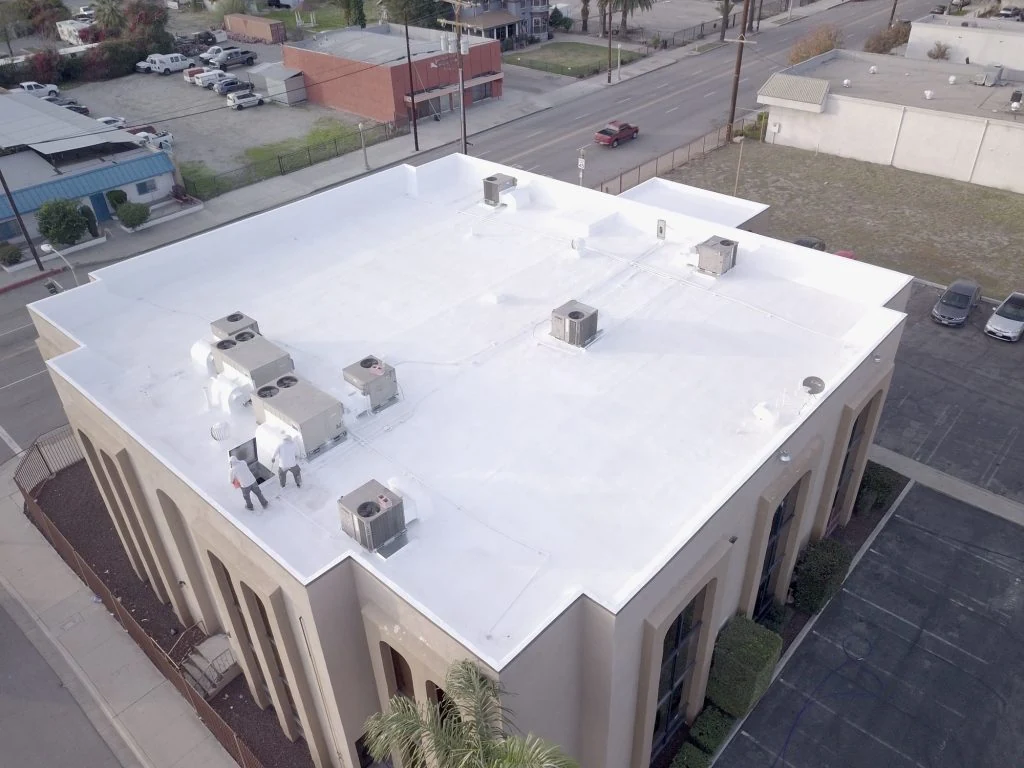
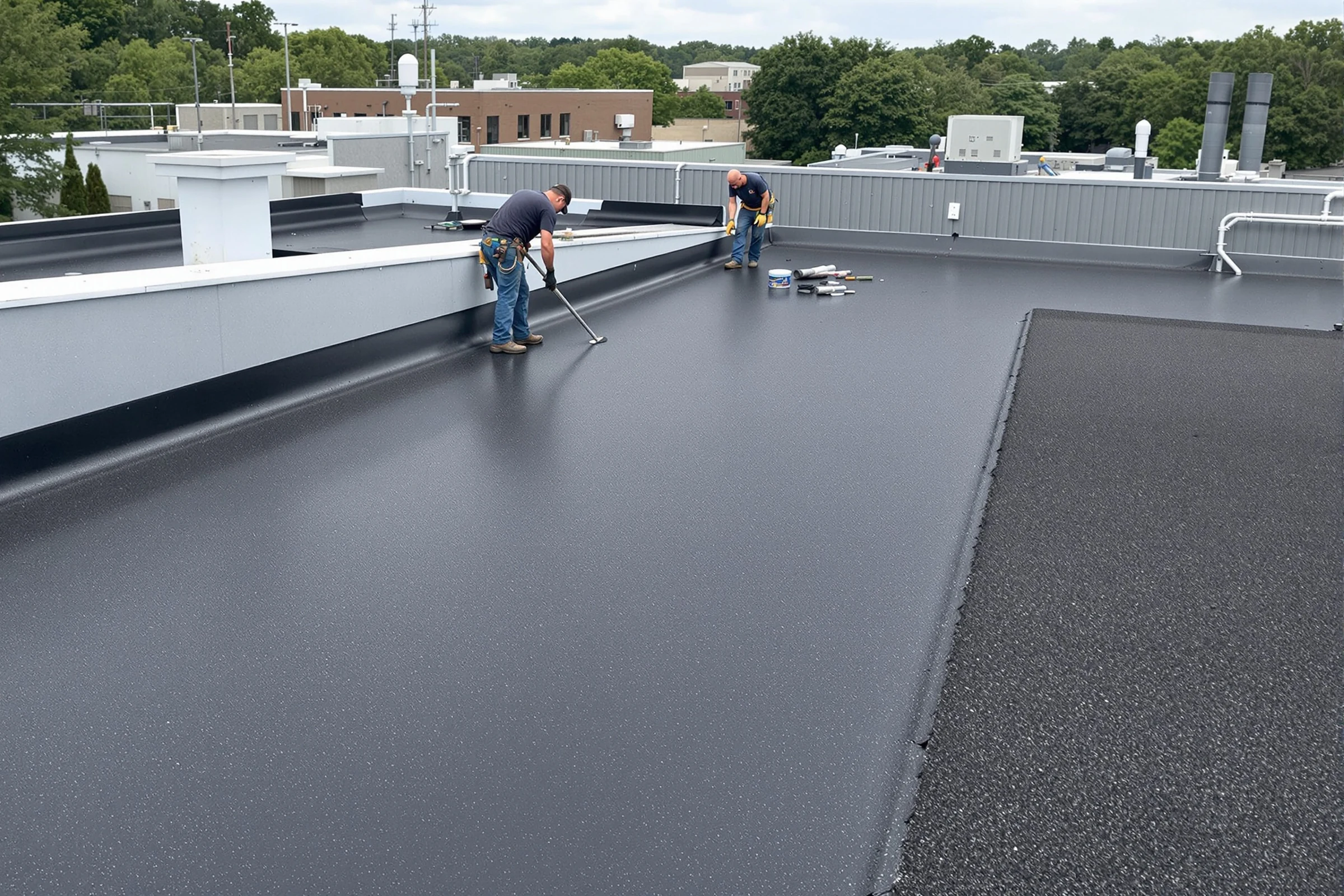
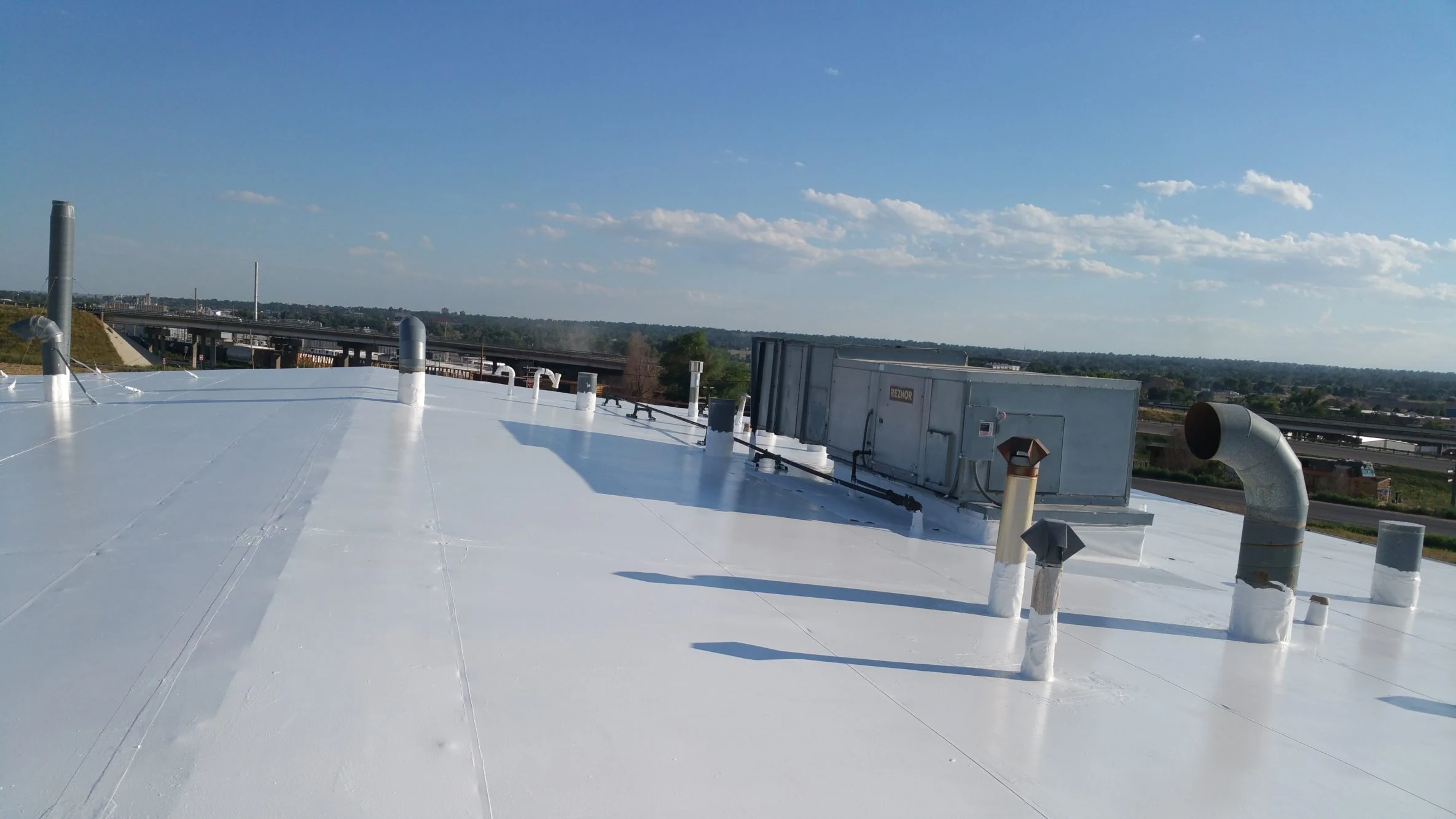
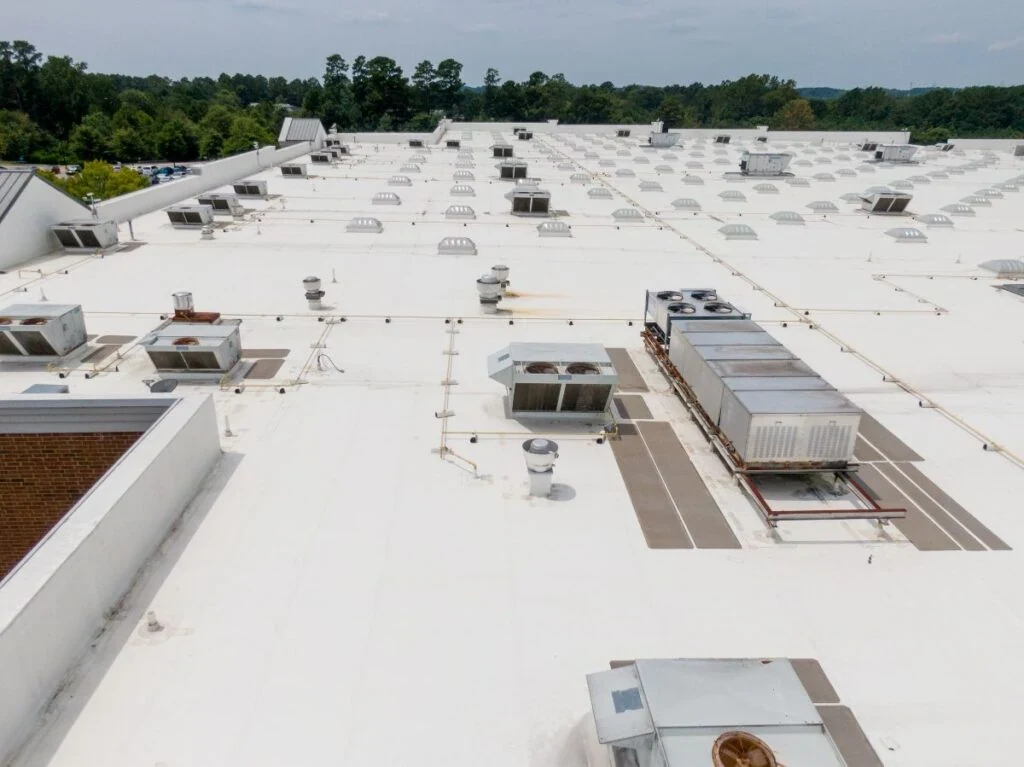
PVC Membrane for Roofs That See Grease, Chemicals, or Rooftop Exhaust
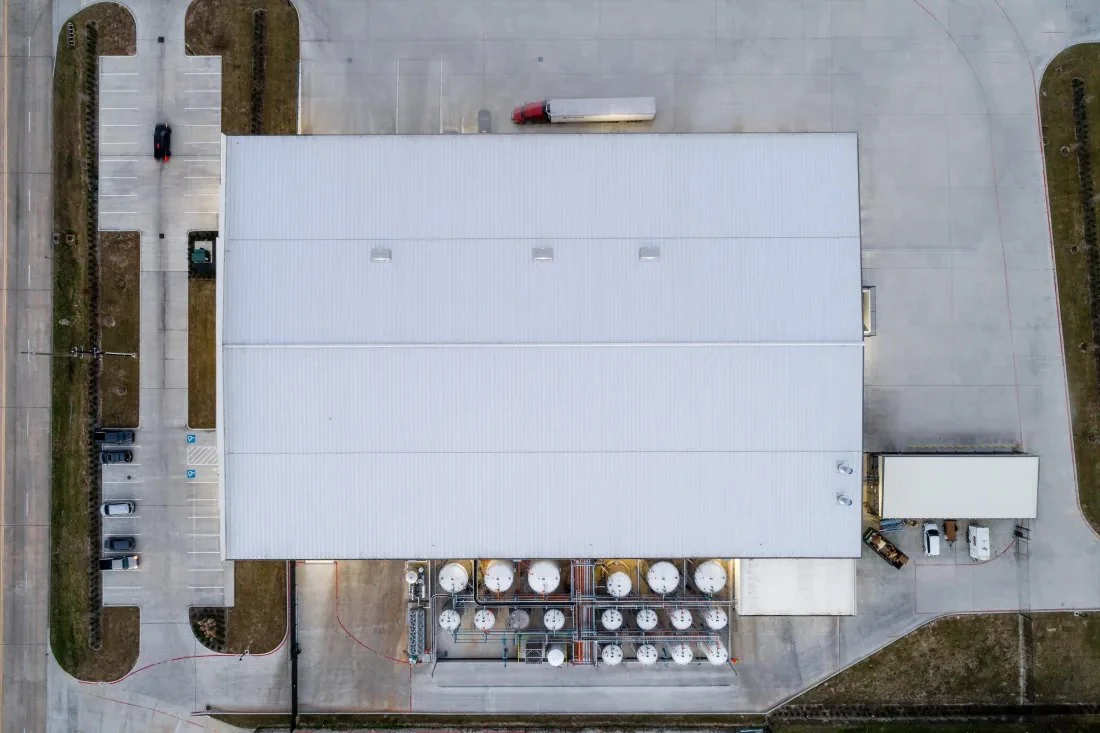
PVC single-ply gets picked over TPO or EPDM on a specific slice of Provo Valley roofs: restaurant rows near Riverwoods and the East Bay dining corridor, grocery boxes with rooftop refrigeration exhaust, and flex-industrial buildings where solvents or oils can end up on the roof surface. The polymer resists petroleum-based contaminants in a way plasticized single-ply membranes generally don't, and that resistance is the reason to spec it.
Grease and Solvent Exposure Is the Deciding Factor
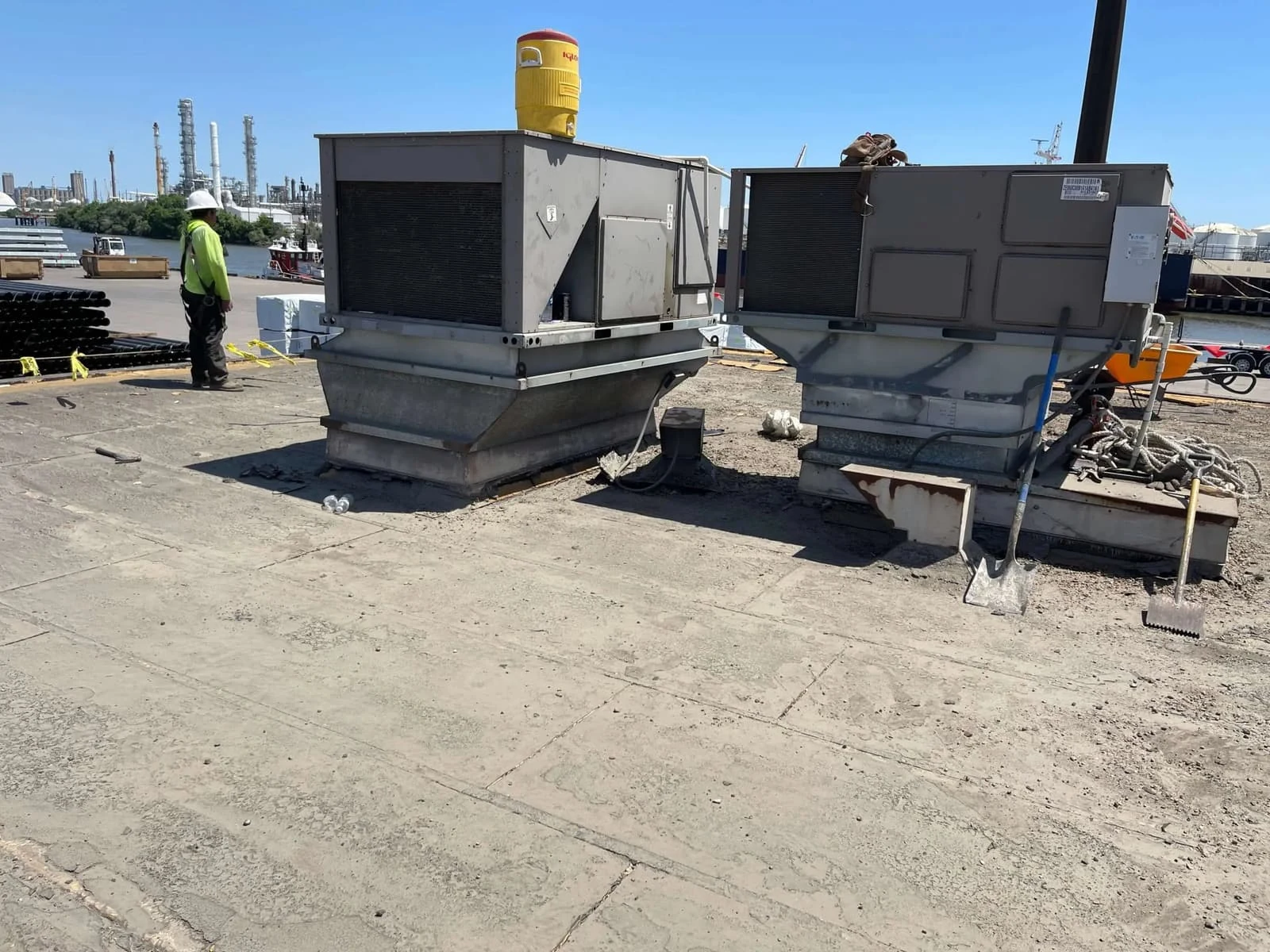
Kitchen exhaust fans push airborne grease onto a roof surface for years, and it settles into the membrane surface over time. On TPO, accumulated grease can soften the membrane and eventually compromise it. PVC's chemical makeup holds up against that exposure far longer, which is why standalone restaurants and grocery-anchored strip centers along State Street and University Parkway are where we spec it most.
The same logic applies to flex-industrial buildings in Springville and Lindon's industrial parks where rooftop equipment vents solvents, or where nearby ground-level operations put airborne contaminants into contact with the roof. A membrane that degrades under chemical exposure turns into a recurring repair line; PVC generally doesn't.
Reflectivity and the Cooling-Load Case at 4,500 Feet
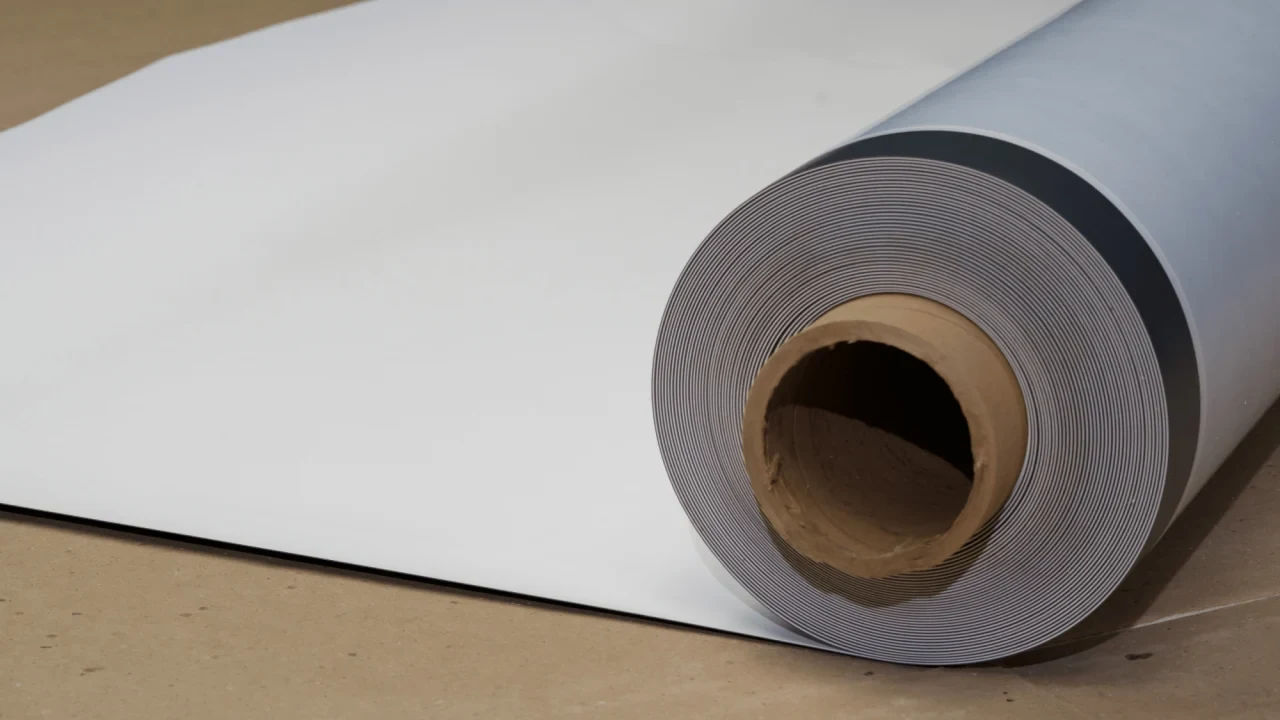
White PVC ships with high out-of-box reflectivity, and unlike some coated systems, it tends to hold that reflectivity through cleaning cycles without losing much surface gloss. On a building with rooftop refrigeration or dense HVAC loads, that reflectivity keeps the deck surface temperature down, which shows up directly on compressor run time. We factor that into insulation sizing so the finished assembly meets the R-value target under Utah's adopted energy code rather than a generic number pulled from a spec sheet.
UV intensity at this elevation is higher than at sea level, and reflective membrane surfaces age more slowly under that exposure than dark ones. That matters over a 20-year ownership horizon even before factoring in the utility-cost side.
Weld Strength in Freeze-Thaw and Wind Events
PVC heat-welds to itself with a bond that generally tests stronger than the base membrane, which matters through Utah Valley's spring freeze-thaw cycling and the downslope wind events that funnel out of Provo Canyon onto the valley floor. A weak seam is where water gets in first, and it's where wind uplift starts a membrane failure. We test every seam with a probe at final walk-through and re-weld anything that doesn't pass.
Snow sits heavier and longer on flat roofs here than the dry mountain powder suggests, and a properly welded, mechanically attached PVC system carries that load without stressing the seams the way an inferior bond would.
- Standalone restaurants with rooftop kitchen exhaust
- Grocery-anchored retail with refrigeration condensers on the roof
- Flex-industrial buildings near solvent or chemical use
- Fitness centers and gyms with rooftop HVAC and pool equipment
- Multi-tenant retail strips with mixed tenant exhaust needs
Insulation Package and Attachment Planning
Before we quote PVC, we scan the existing deck for trapped moisture and check current insulation against code minimums. On most re-roofs, adding polyiso under new PVC is the single most cost-effective utility improvement available, cutting both winter heat loss and summer compressor load in one project. We also confirm wind-uplift requirements based on building height and exposure, since Provo Canyon's wind events are strong enough to matter in the calculation, and a fastening pattern sized to satisfy a permit reviewer without matching real exposure data isn't a spec we'll sign off on.
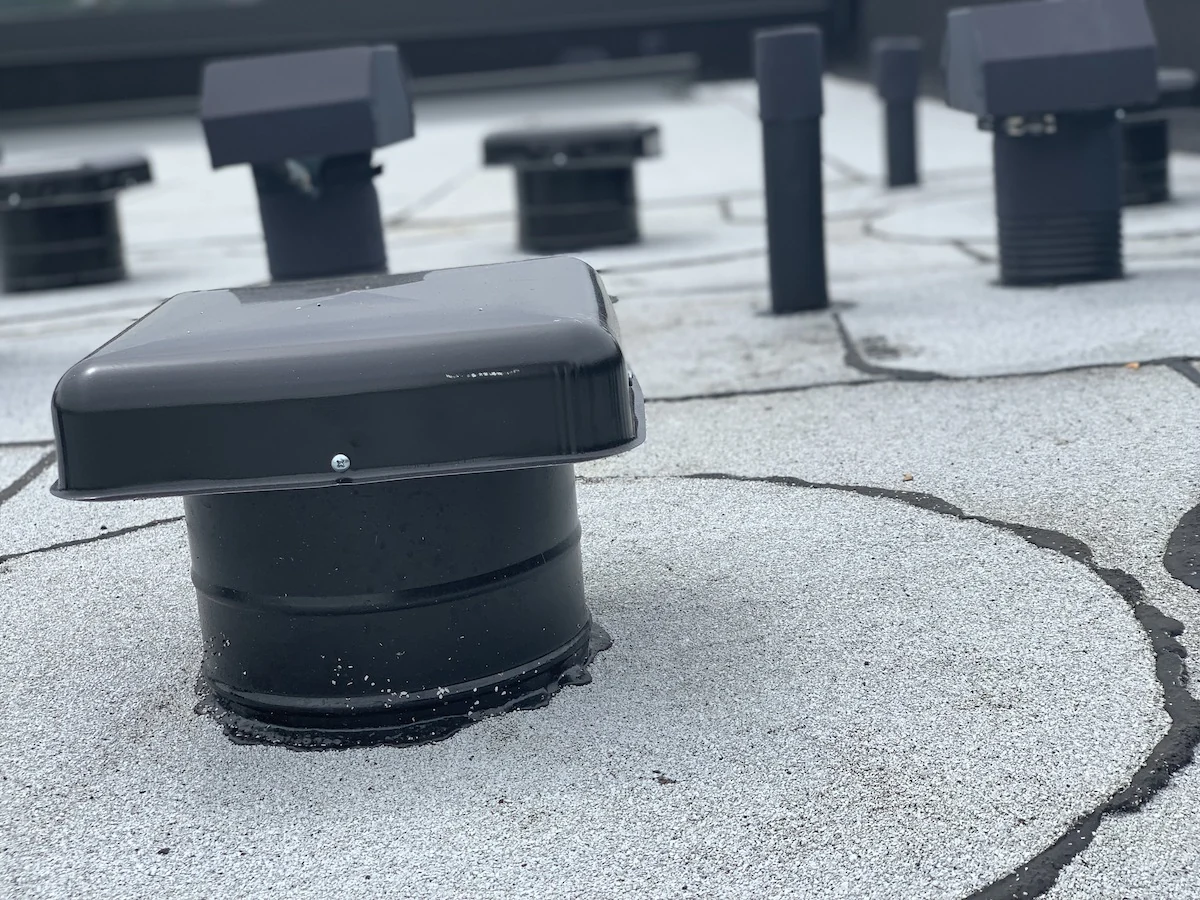
Fastening pattern depends on rooftop equipment density. Buildings with heavy mechanical footprints, common in the office parks growing up around Silicon Slopes, often do better with fully adhered PVC so fastener plates don't interfere with service access paths. Mechanically fastened PVC costs less to install and remains the right call on roofs with a clean, open field and limited rooftop equipment, so we walk both options with the owner before finalizing a spec rather than defaulting to one attachment method.
Membrane color beyond standard white also comes up occasionally on buildings with architectural or branding requirements. PVC holds pigment well because of how the polymer is formulated, so a custom color doesn't compromise weld quality or long-term durability the way it can with some other membrane types. We flag the reflectivity trade-off of a darker custom color during that conversation so the owner understands the utility-cost impact before committing to it.
Where PVC Loses to TPO or EPDM
PVC costs more per square foot than TPO in most cases, and on a roof with no chemical exposure and no grease concern, that premium doesn't buy much extra performance. We're direct about that during a quote. If a building's only real need is reflectivity and seam durability, TPO usually gets the job done for less. PVC earns its place when the roof is actually exposed to something that would degrade a standard membrane.
What Provo Owners Ask About PVC
Does PVC really outperform TPO around grease and kitchen exhaust?
Yes, in field experience and in how the polymer is formulated. Plasticized TPO can soften under sustained grease exposure; PVC's chemical resistance holds up longer in that environment.
Is PVC worth the added cost on a standard office roof?
Usually not. If there's no chemical or grease exposure, TPO typically delivers comparable reflectivity and seam performance for less money.
How does PVC handle Provo's spring freeze-thaw swings?
Welded PVC seams are a continuous polymer bond, so there's no adhesive layer to break down under repeated freezing and thawing. The membrane itself stays flexible across that temperature range.
Can PVC go over an existing built-up or modified bitumen roof?
Sometimes, with a compatible separator layer and a dry, sound existing assembly. We check moisture content across the whole roof before recommending recover over tear-off.
What shortens PVC membrane life the fastest around here?
Unapproved rooftop penetrations added after install and ponding water left unaddressed. Both are avoidable with a maintenance program and a policy that routes rooftop work through the roofing contractor first.