Edge Metal, Coping & Gutters in Provo, UT
Commercial Roofing • Commercial Roofing Services • Provo,
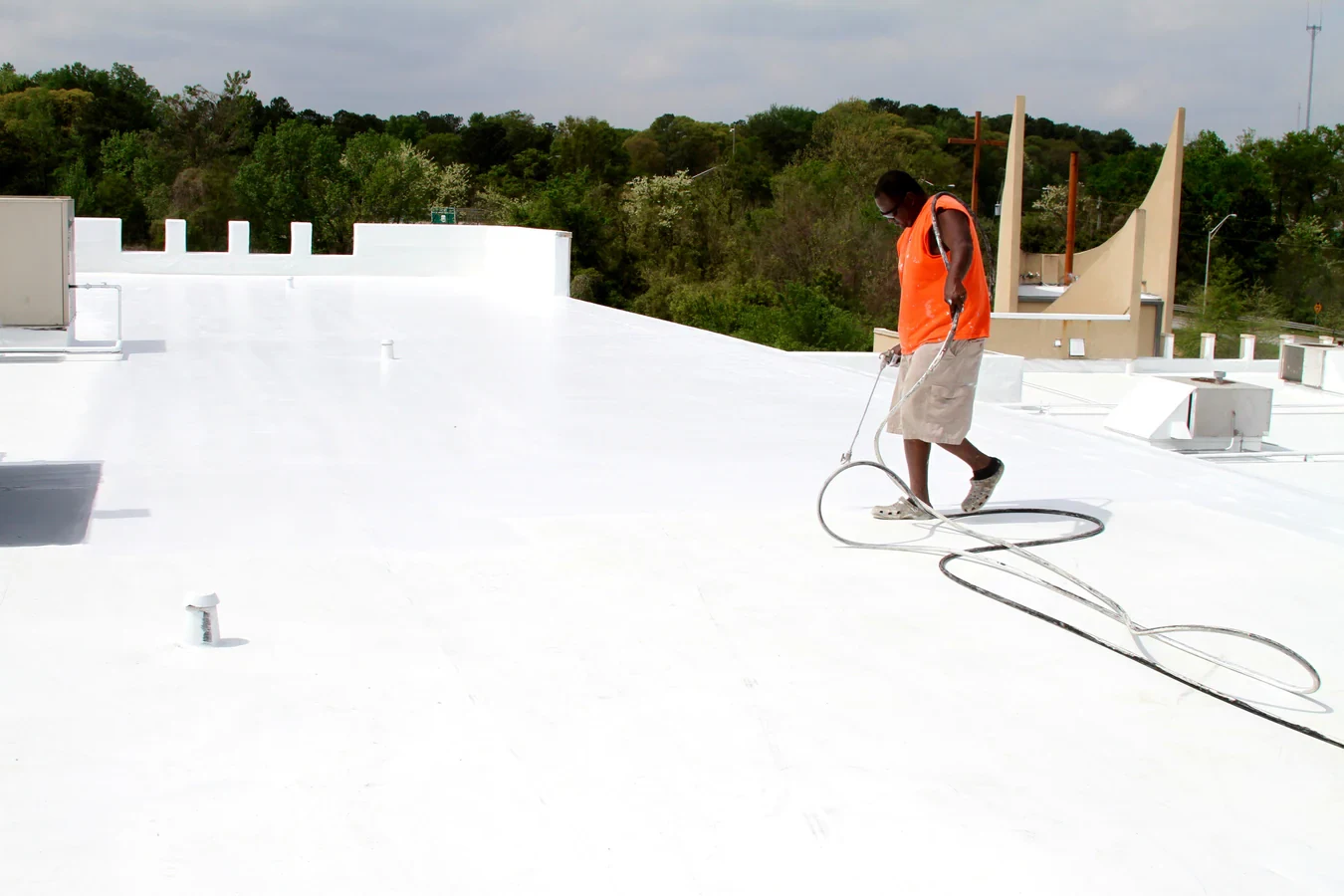
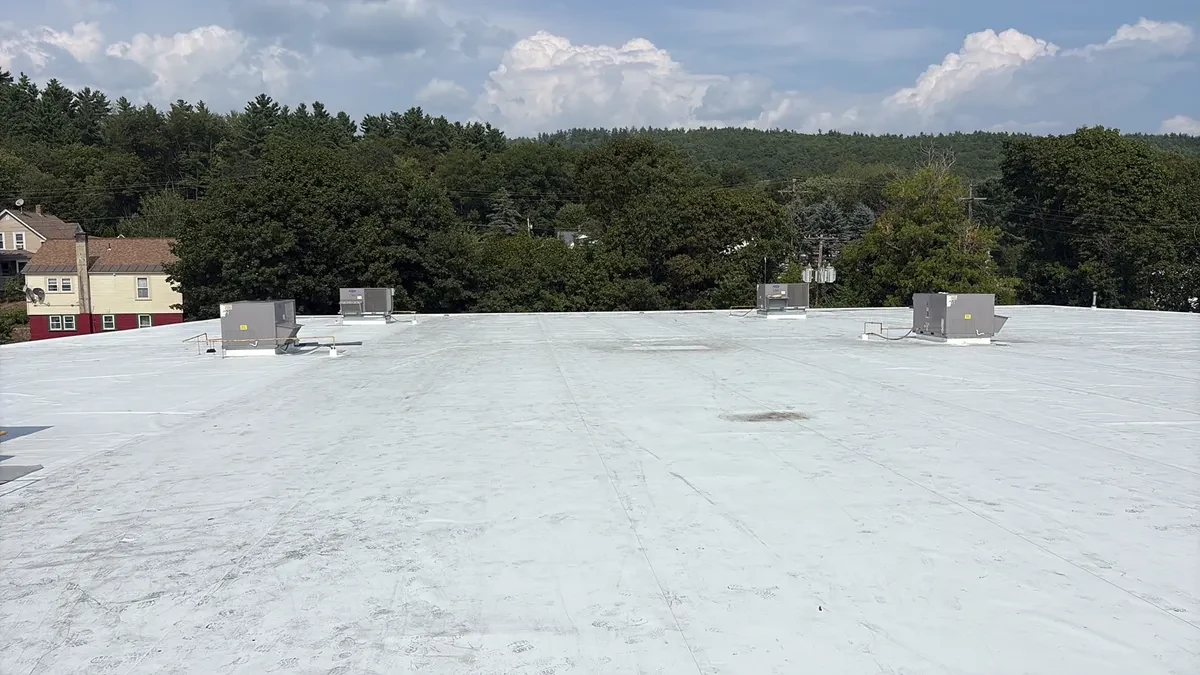
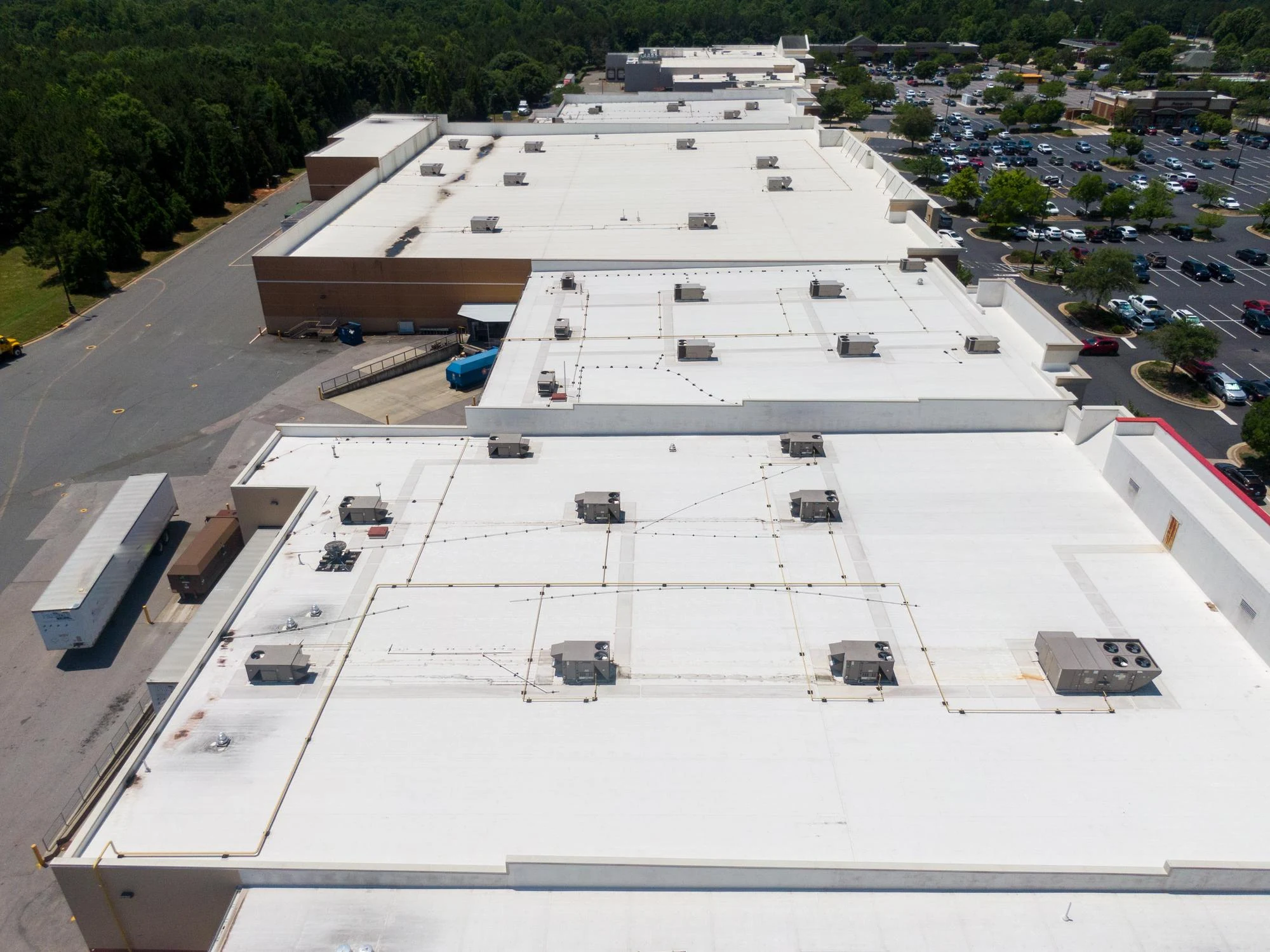
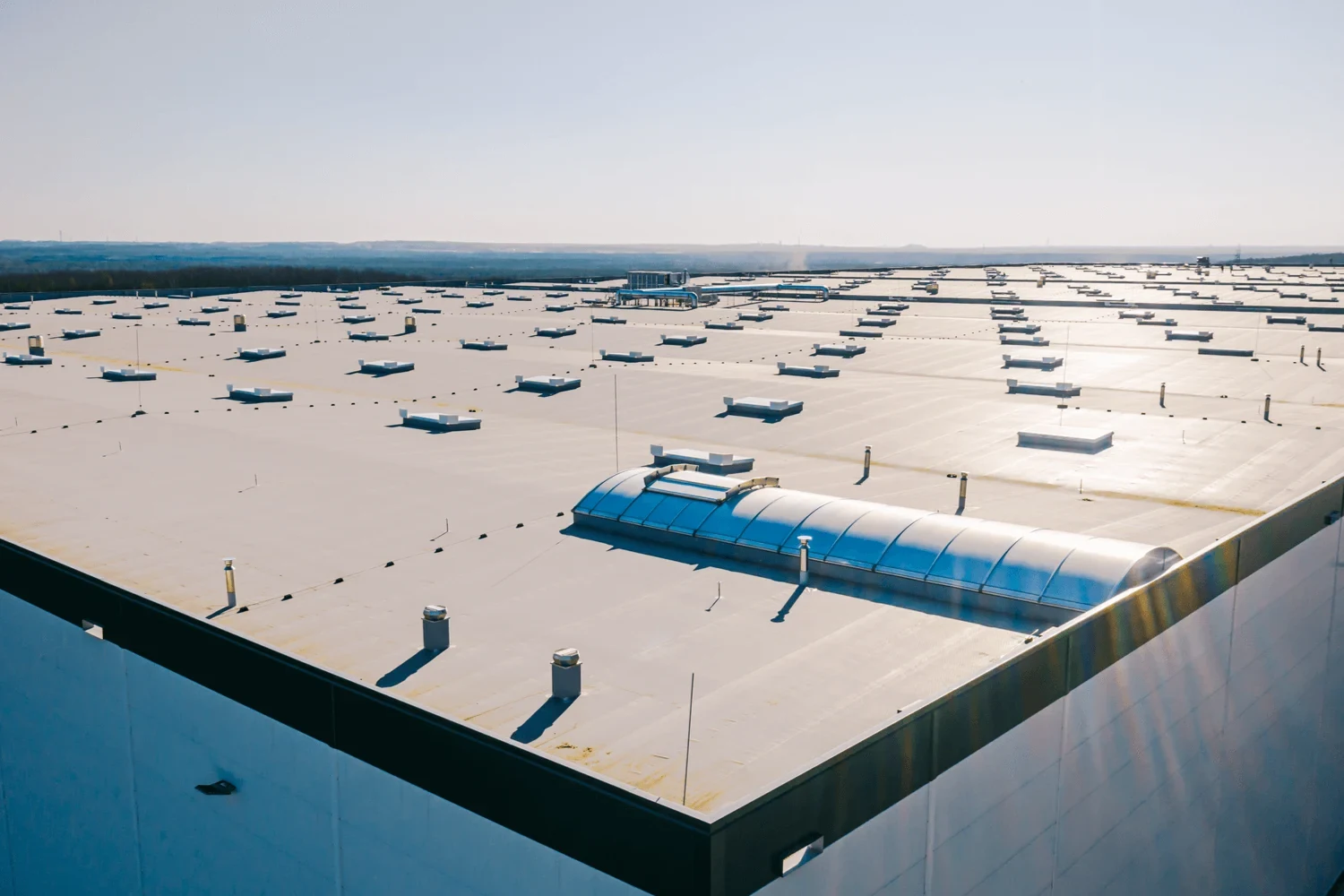
Where Canyon Wind Actually Tests a Roof: the Edge
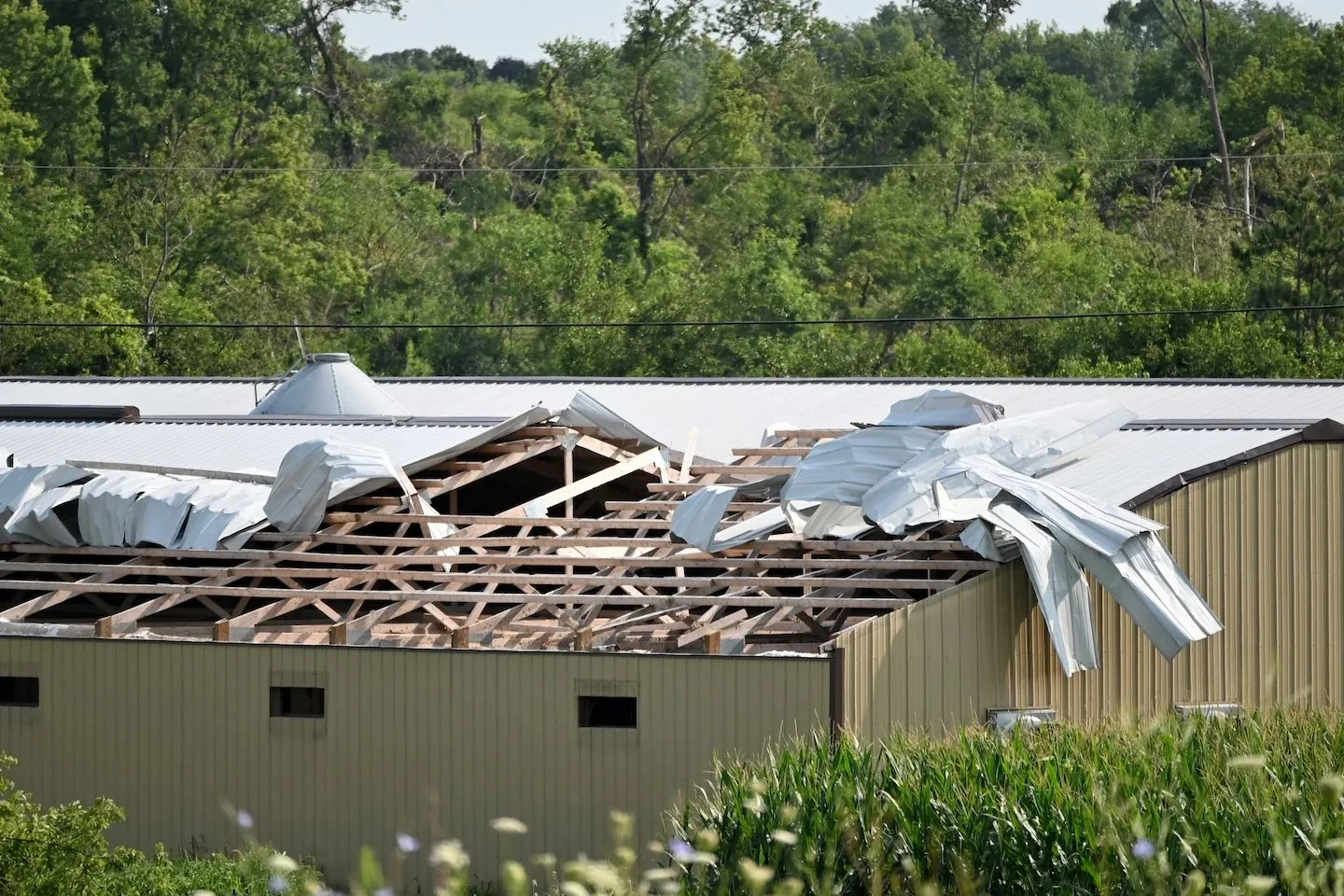
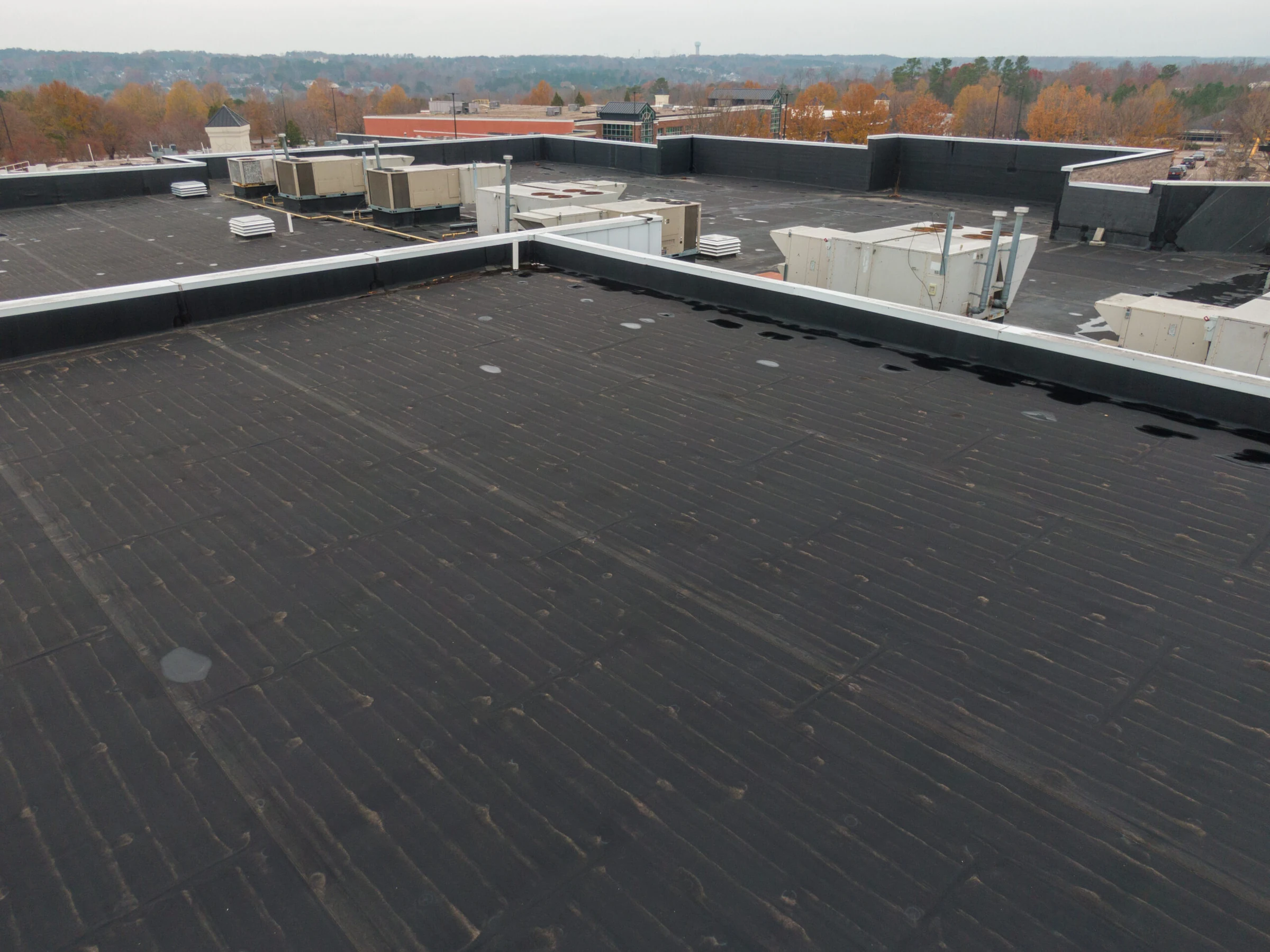
Most roof failures that start with wind begin at the edge, not the field. Edge metal, parapet coping, and gutter systems take the highest uplift pressure on the entire roof, and on buildings around Highland and Alpine's foothill terrain, that exposure is more pronounced than on flatter, more sheltered sites lower in the valley. We detail and install edge systems built for that pressure specifically.
There is a thermal side to edge detailing too, one that gets less attention than wind resistance but still matters to a building's envelope performance. A poorly insulated or improperly flashed edge creates a thermal bridge that loses heat faster than the insulated field of the roof, and on a building already working to hold setpoint through a Wasatch Front winter, that edge loss adds up across the full perimeter of the roof.
Corner details compound both problems at once. A corner is simultaneously the highest-wind-pressure zone on the roof and, in many designs, one of the more difficult places to insulate and flash cleanly, which is why we treat corners as their own detail rather than an extension of the straight-run edge condition next to them.
Why Edge Metal Fails Before the Field Does
Wind uplift concentrates at corners and edges because that is where airflow separates from the roof surface and creates the strongest negative pressure. A membrane that is perfectly secure across the field can still lose a section at the perimeter if the edge metal fastening pattern was not specified for the actual exposure the building sees. Once edge metal starts to lift, wind gets underneath the membrane termination and begins peeling the field membrane inward from that point, which is why a small edge failure can turn into a much larger repair if it goes unnoticed.
Affluent foothill communities like Highland, Alpine, and Cedar Hills sit at elevations and terrain positions that see more consistent wind exposure than buildings tucked into denser retail corridors closer to the valley floor, and we fasten edge systems accordingly rather than defaulting to a standard spec built for average conditions.
Parapet Coping Details That Actually Shed Water
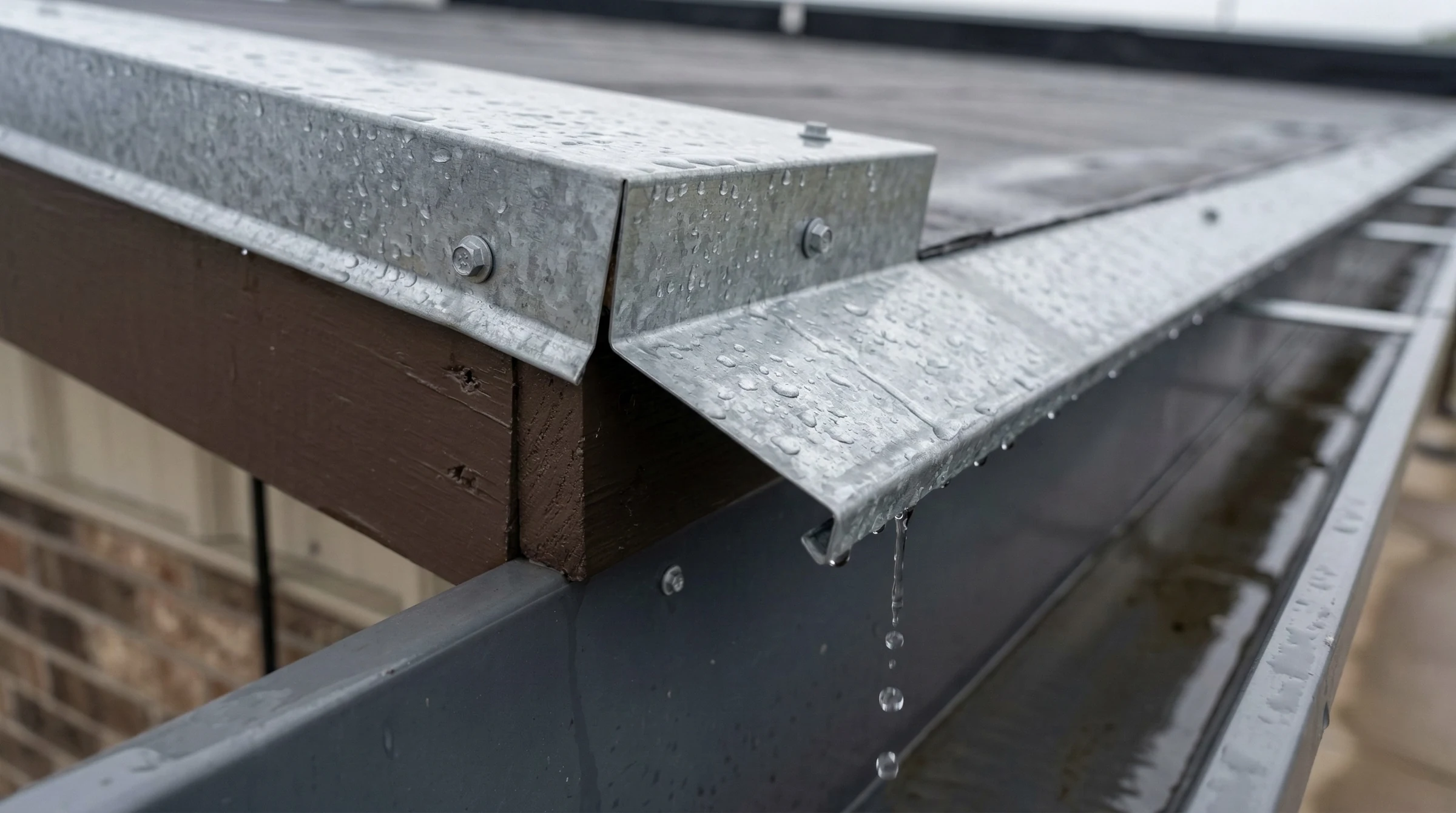
Coping caps on parapet walls have one job: keep water from getting behind the wall and down into the roof assembly or the wall cavity itself. A coping joint that was sealed but not properly lapped will eventually let water in regardless of how good the sealant was on installation day, because sealant is a maintenance item, not a permanent water barrier. We detail coping with proper overlap and cleats so the metal itself sheds water correctly, with sealant as a secondary layer of protection rather than the only thing standing between the building and a leak.
Snow load matters here too. Heavy wet spring snow sitting against a parapet wall puts sustained moisture pressure on coping joints for days at a time during melt, which is a very different condition than a quick summer rainstorm running off in minutes.
Gutter and Downspout Sizing for Snowmelt Volume
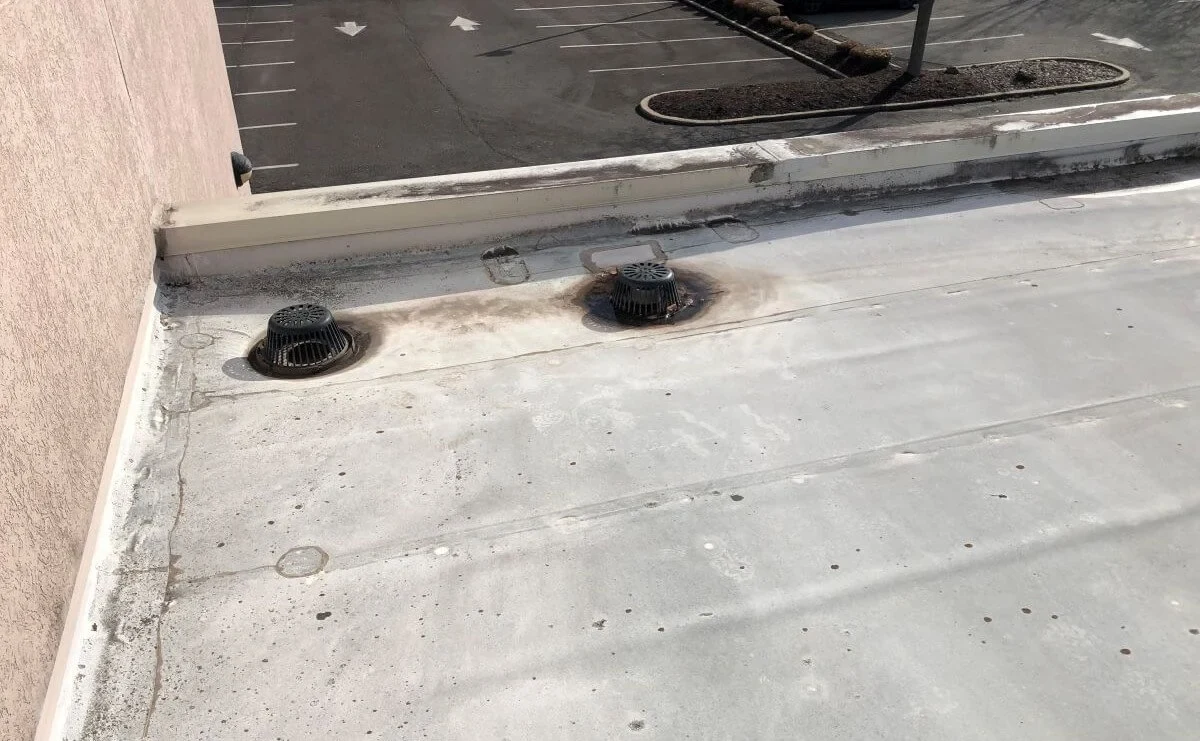
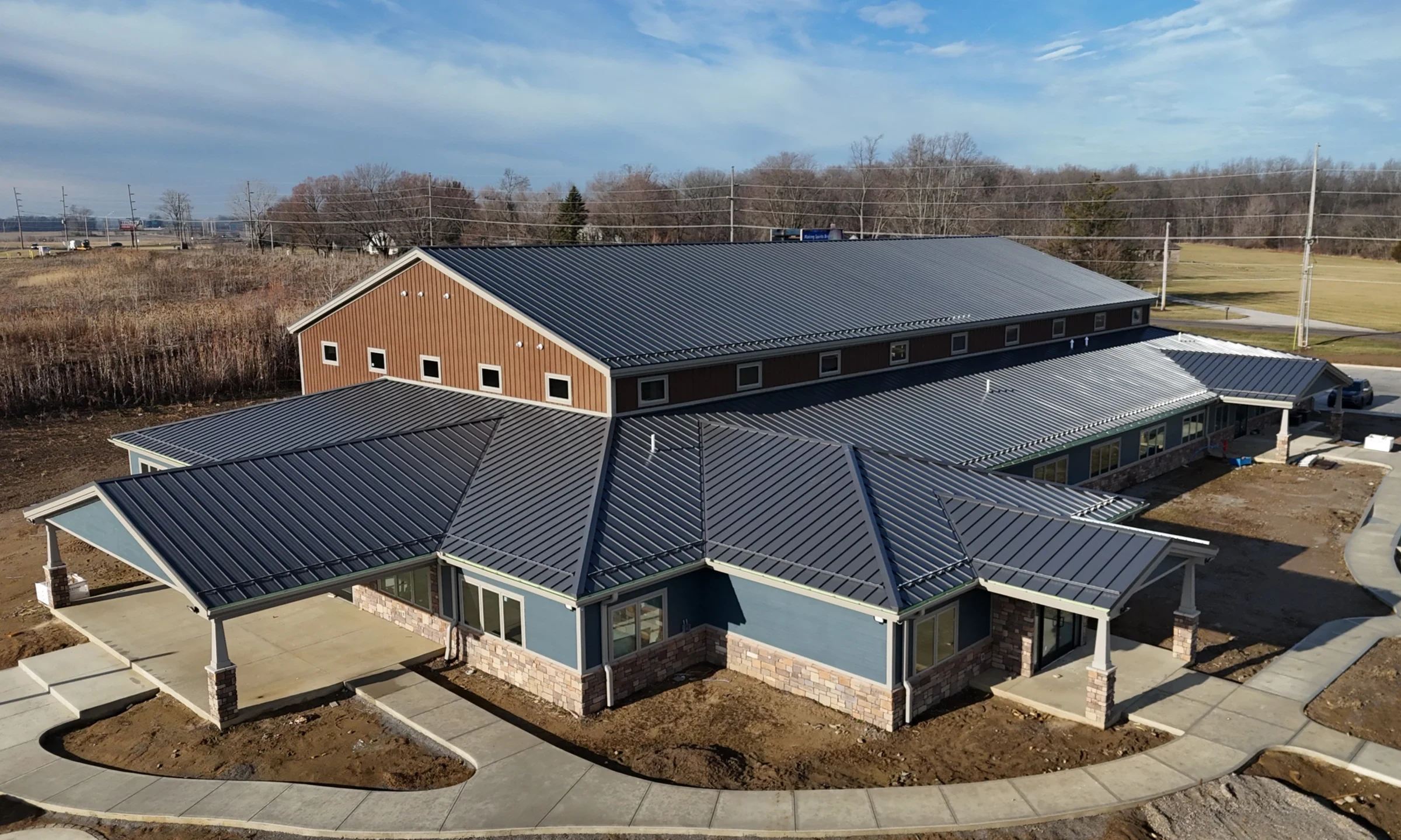
Commercial gutter systems on buildings with pitched or transitional roof sections need to be sized for actual local snowmelt volume, not a generic rainfall chart. A slow multi-day melt off a heavy spring snow load can push more sustained water volume through a gutter system than a short, intense summer storm does, even though the summer storm looks more dramatic in the moment. Undersized gutters or downspouts back up during melt, sending water back toward the roof edge or building wall instead of away from it.
- Edge metal fastening pattern matched to actual wind exposure
- Parapet coping lapped and cleated, not sealant-dependent
- Gutter and downspout sizing for snowmelt volume, not only rainfall
- Termination bar and membrane attachment at every edge transition
- Corner detailing reinforced beyond standard field fastening
- Regular inspection of fastener backout from freeze-thaw cycling
Repair Versus Full Edge System Replacement
Not every edge metal problem needs full replacement. Loose fasteners can often be reset and resealed if the metal itself is not damaged or corroded. But once edge metal has been lifted by wind even once, we check the full perimeter rather than just the section that visibly failed, since a wind event significant enough to lift one section usually stressed the fastening pattern elsewhere on the same edge, even where it has not fully let go yet.
Edge Metal and Coping Questions From Building Owners
How do I know if my edge metal is fastened correctly for local wind conditions?
We check fastening spacing against the building's actual exposure, factoring in elevation, terrain, and proximity to canyon wind corridors, rather than a generic code minimum.
Is coping sealant enough to keep a parapet from leaking?
Sealant helps but should not be the only protection. Properly lapped and cleated coping metal is what actually sheds water long-term, with sealant as backup.
Why would gutters need to be resized for this area specifically?
Spring snowmelt produces a different water volume and duration than typical rainfall sizing accounts for, so gutters sized only for rain can underperform during the heaviest melt period.
Can edge metal be repaired without replacing the whole roof edge?
Often yes, if damage is isolated and the metal itself is not corroded or bent beyond reuse. We assess section by section rather than defaulting to full replacement.
Does foothill elevation really change how edge metal should be installed?
Yes. Buildings at higher elevation or more exposed terrain positions see meaningfully different wind loading than sheltered valley-floor sites, and fastening should reflect that.