Storm Damage Roof Repair in Provo, UT
Commercial Roofing • Commercial Roofing Services • Provo,
Repairing What Wind and Hail Leave Behind Along I-15
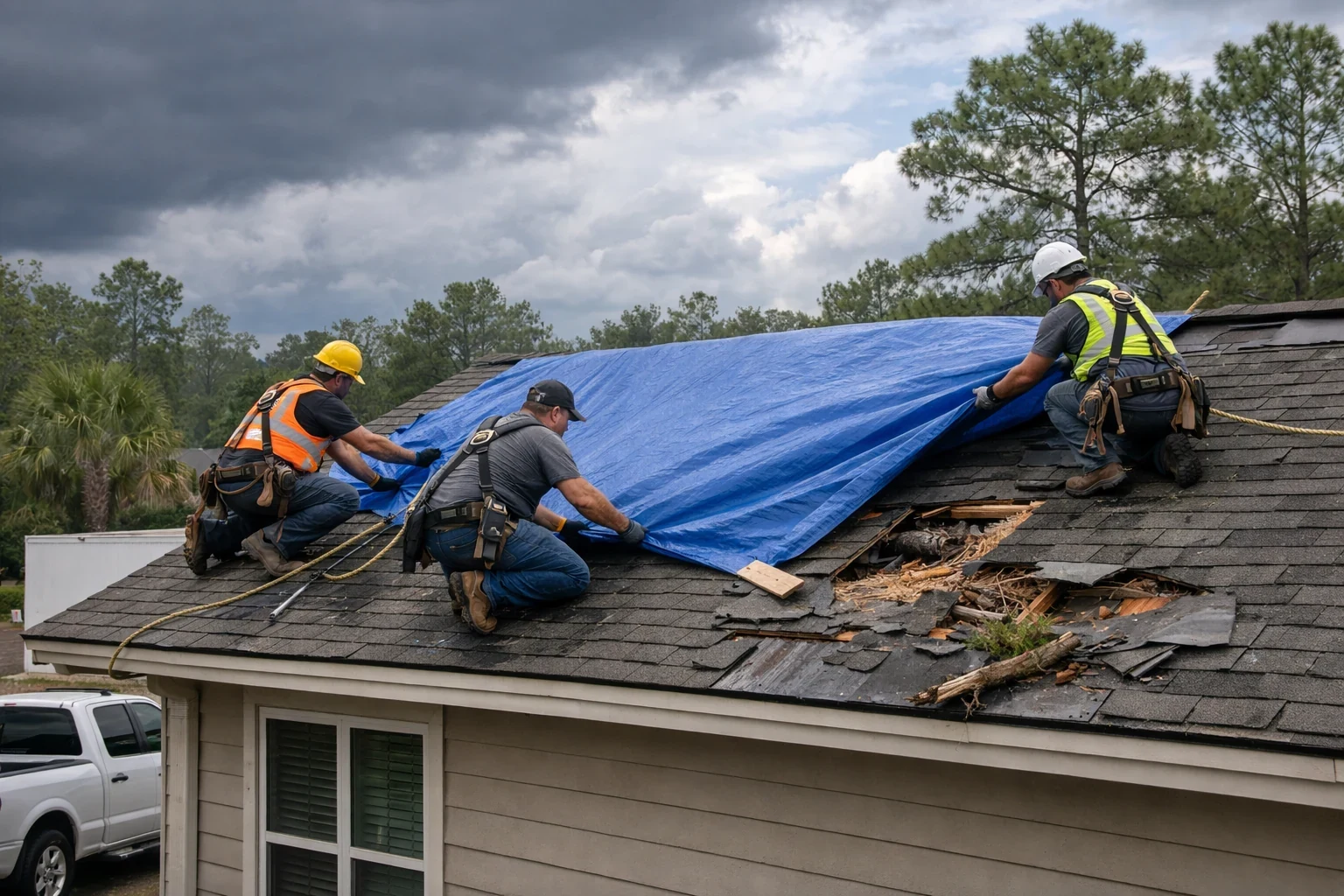
Storm damage on a low-slope commercial roof rarely announces itself the way a shattered window does. Hail bruises a membrane without puncturing it, wind lifts a section just enough to break the seal without tearing it fully loose, and both kinds of damage can sit unaddressed for months before they turn into an active leak. We assess and repair storm damage with that pattern in mind, including damage that is not visibly obvious yet.
How Hail Damages a Membrane Without Looking Dramatic
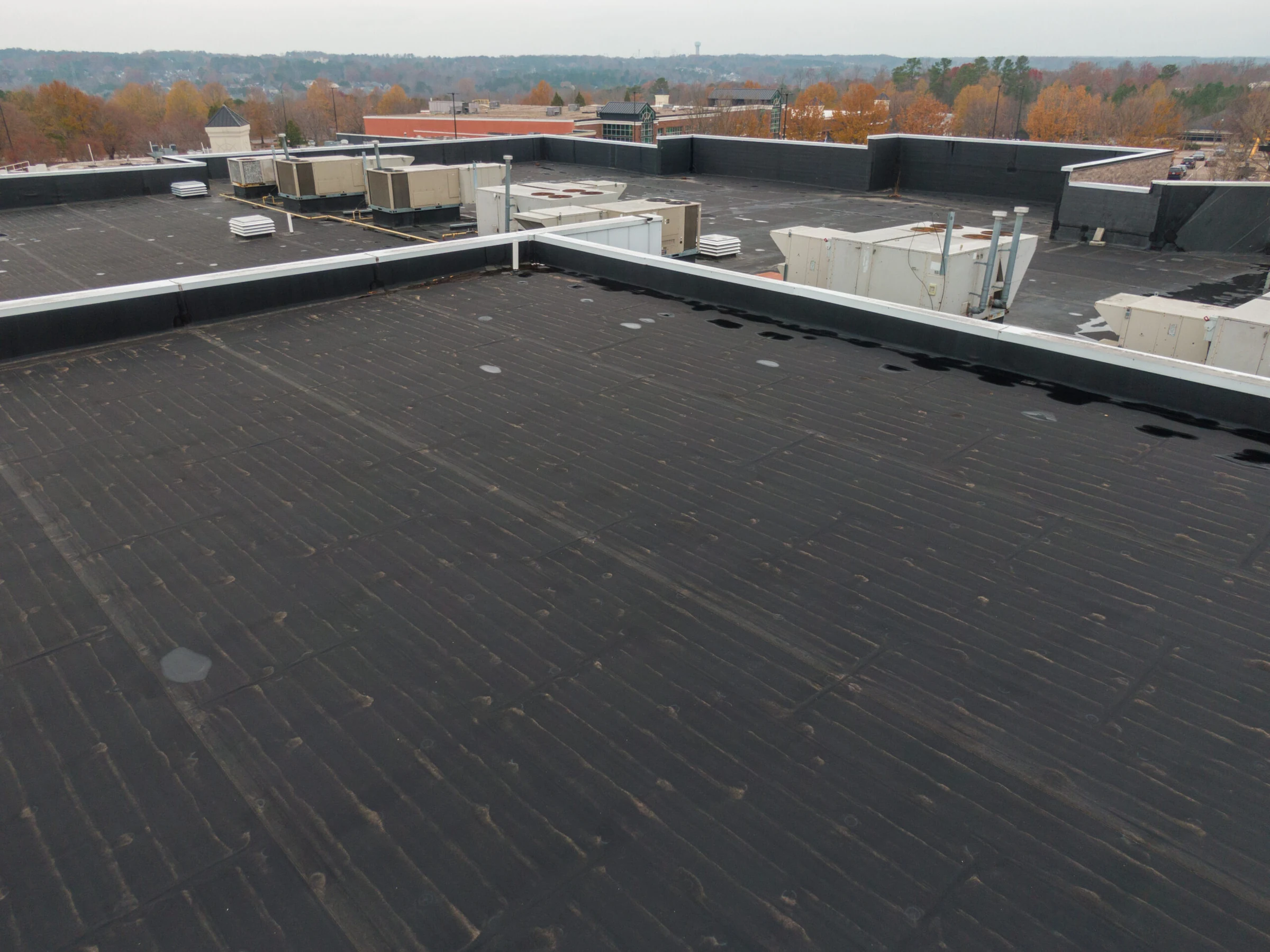
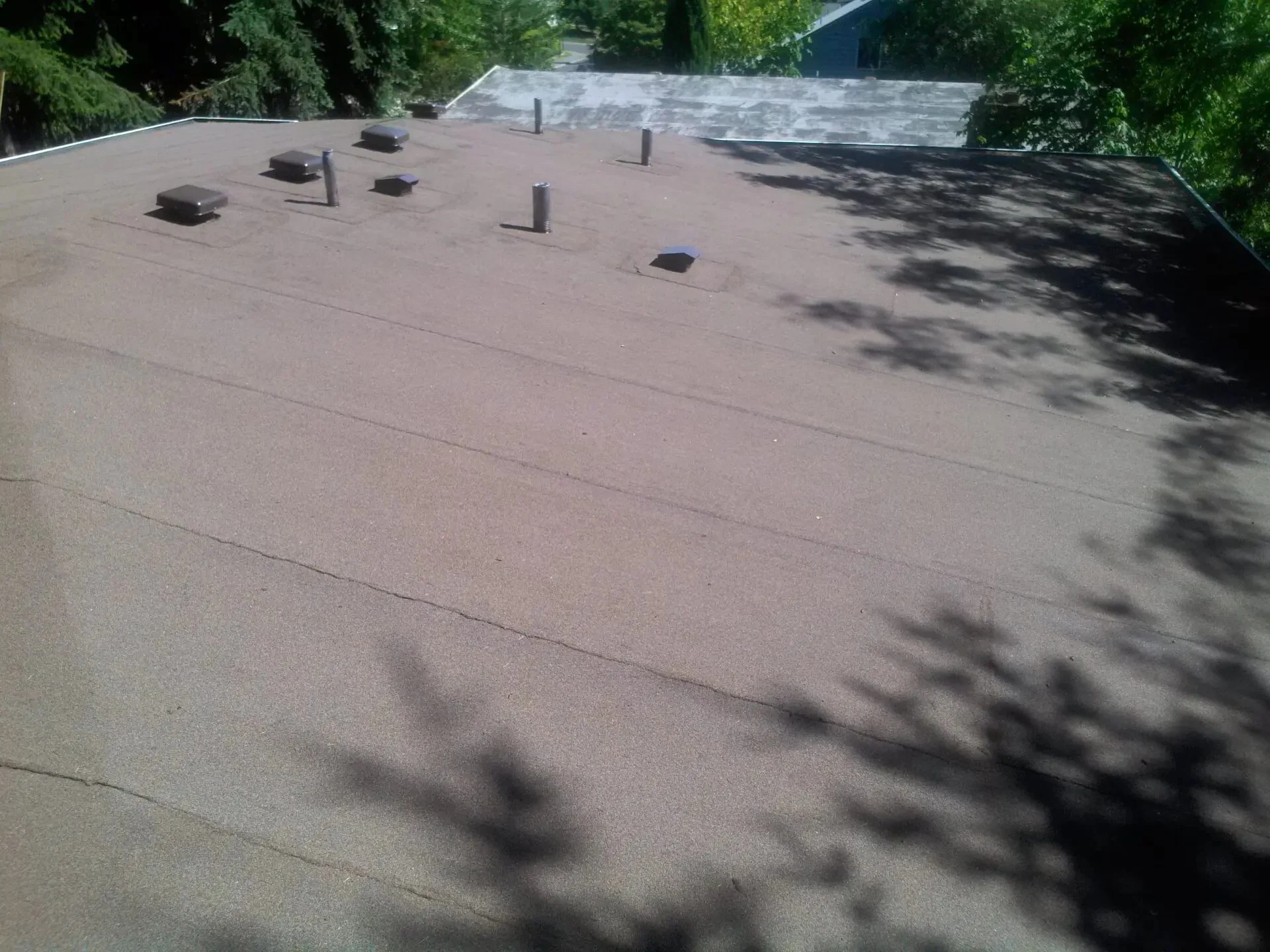
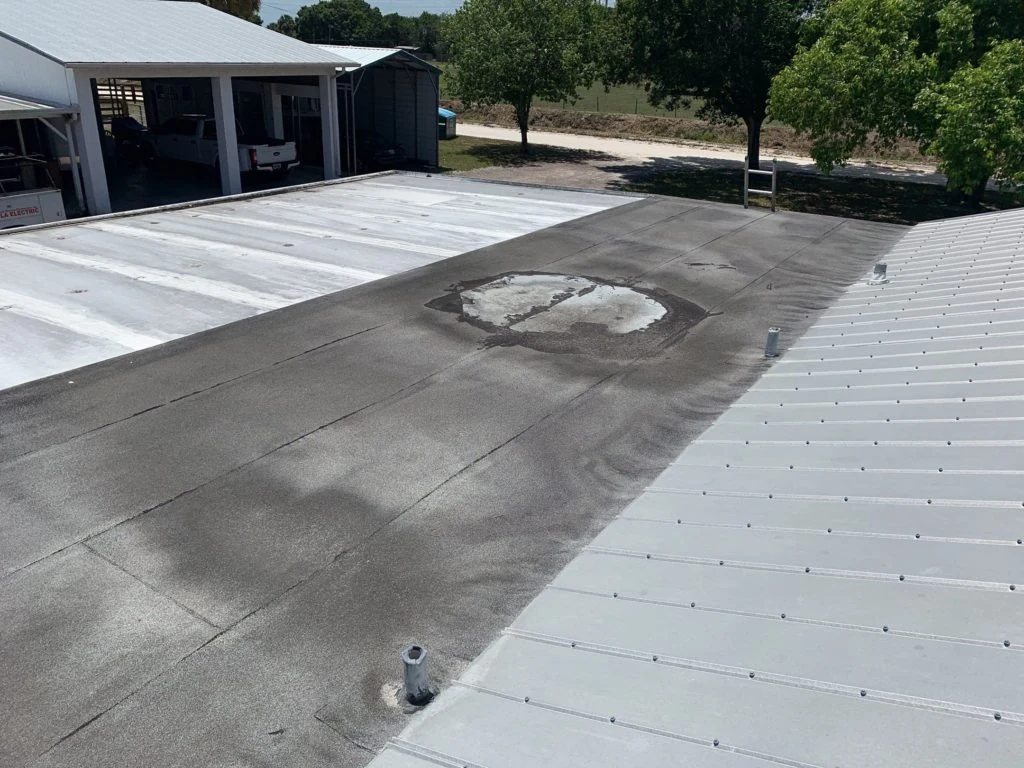
On buildings around Payson and Santaquin, where growing I-15 retail and industrial development sits fully exposed to whatever comes through the valley, hail impact on TPO, EPDM, or modified bitumen usually shows up as bruising rather than visible holes. The membrane surface can look intact from a casual walk-through while the impact has actually compromised the material's structure underneath, weakening it at that spot even though no water is getting through yet. Left alone, a bruised area becomes a crack or split months later, often during a completely unrelated freeze-thaw cycle that has nothing to do with the original hail event.
We check for hail bruising with the same care as an active leak, because the cost difference between catching bruised membrane early and waiting for it to fail is significant.
Hail size and roof material both factor into how much bruising actually matters. A thicker membrane or a granulated cap sheet tolerates hail impact better than a thin, aged single-ply that has already lost some of its material flexibility to years of UV exposure. We factor the roof's existing condition into how seriously a given hail event should be taken, rather than applying the same threshold to every roof regardless of age.
Wind Damage Patterns Specific to This Corridor
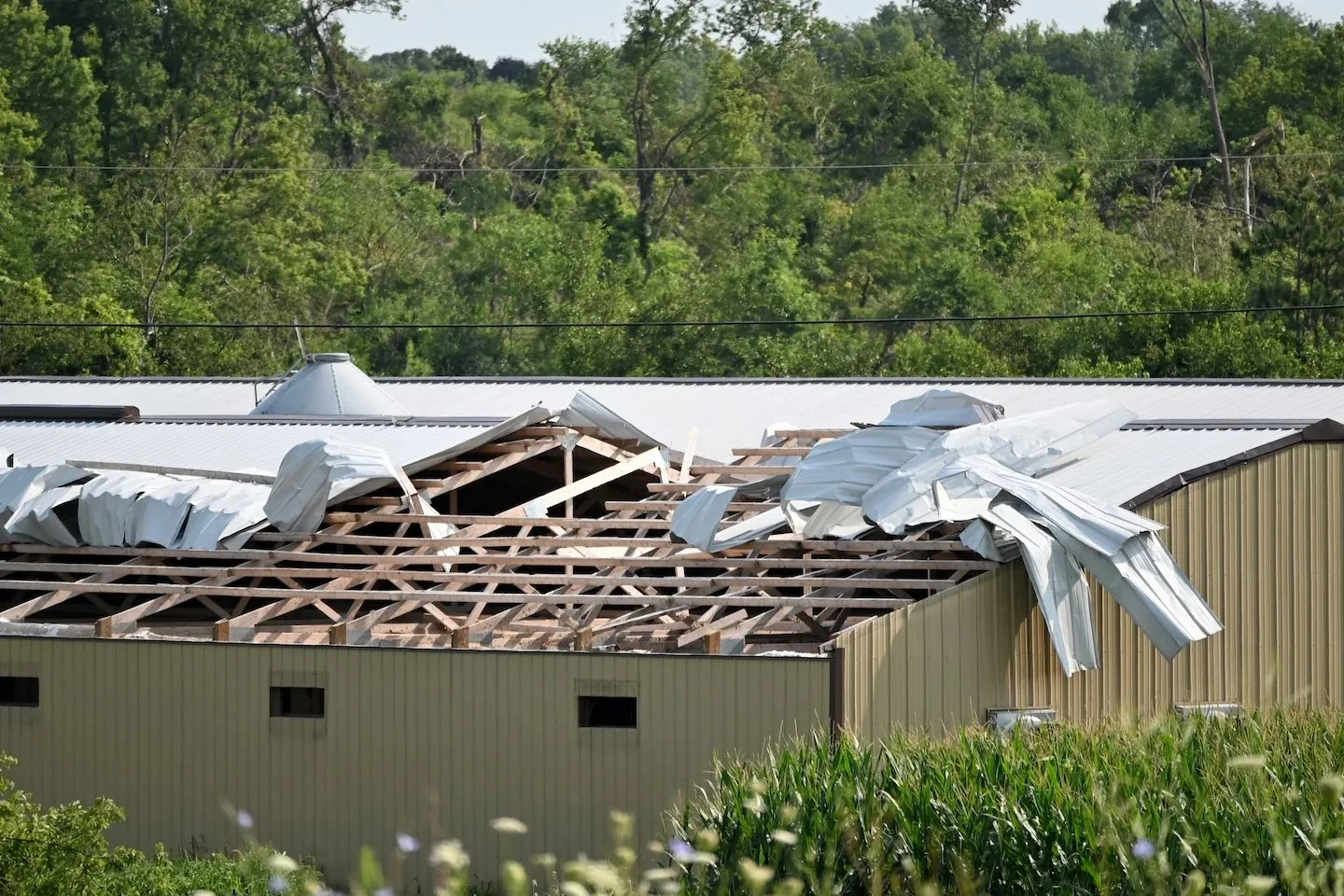
Wind damage along the Wasatch Front tends to concentrate at roof edges, corners, and any transition point like a parapet or rooftop unit curb, because that is where uplift pressure is highest. A building near Mountain View Hospital's growing medical campus in Payson or an industrial building in Santaquin's expanding park will show wind damage first at the perimeter fastening, not in the middle of the roof field, which is why we inspect edges and corners in detail after any documented wind event rather than doing a quick walk of the field alone.
Summer microbursts add a harder, more sudden version of the same stress, capable of tearing loose a section of membrane in seconds rather than the gradual loosening that a sustained wind event causes.
Assessing Extent Before Scoping Repair
The first step after any storm event is a full assessment, not an immediate repair. We map every affected area of the roof, distinguish cosmetic damage from structural concern, and document everything with photos before deciding what actually needs fixing. Rushing straight to patching without a full assessment risks missing a second damaged area that was not obviously leaking yet but will be within a season.
We also compare current findings against any prior inspection or maintenance record on file for the building. A section of edge metal that shows fresh fastener backout is a straightforward storm finding on its own, but if the same section was flagged as marginal on a maintenance visit six months earlier, that history changes how we talk to the owner about whether this was purely storm-caused or partly a maintenance gap that the storm exposed.
- Membrane bruising and impact marks from hail
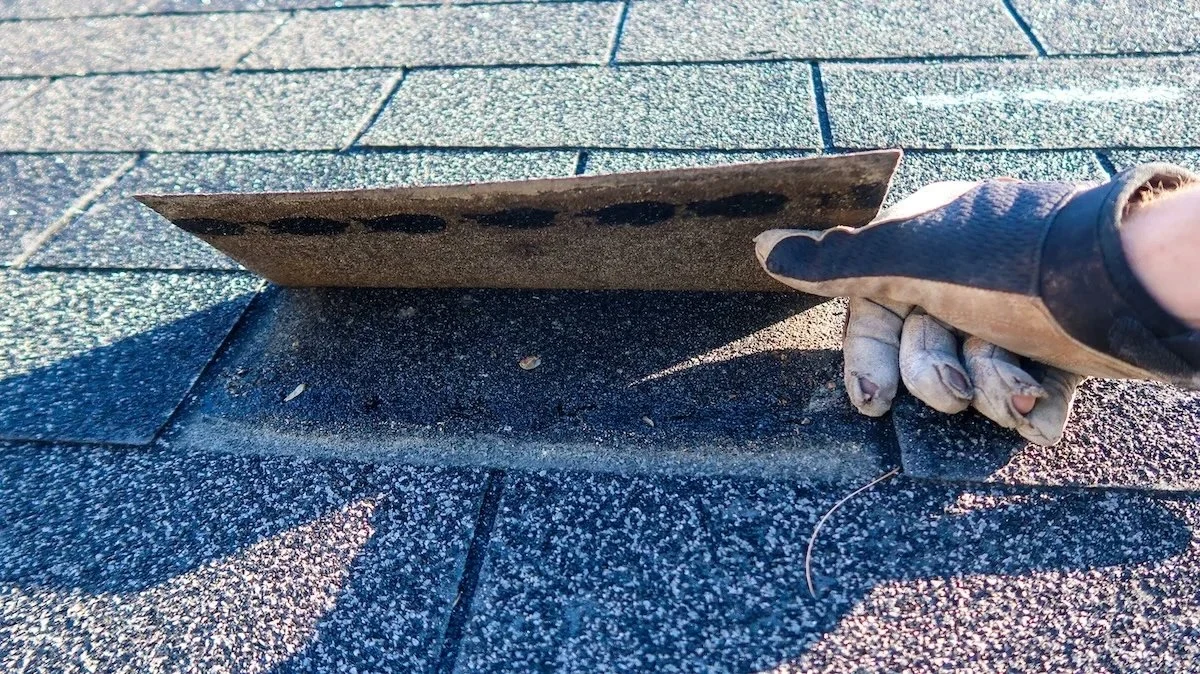
- Perimeter and corner fastening lifted or backed out by wind
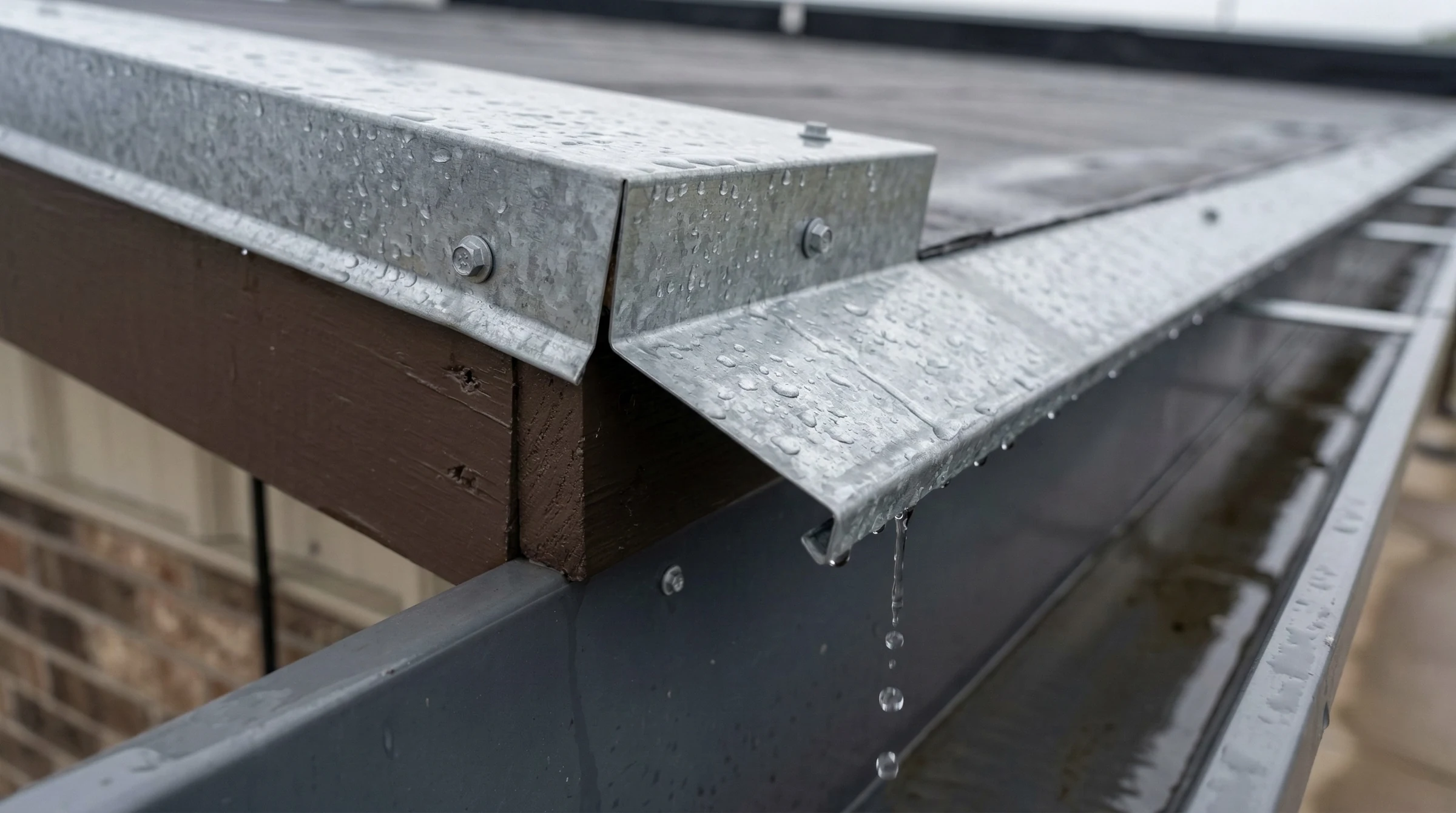
- Flashing and coping separation at parapets and curbs
- Debris punctures from wind-driven material
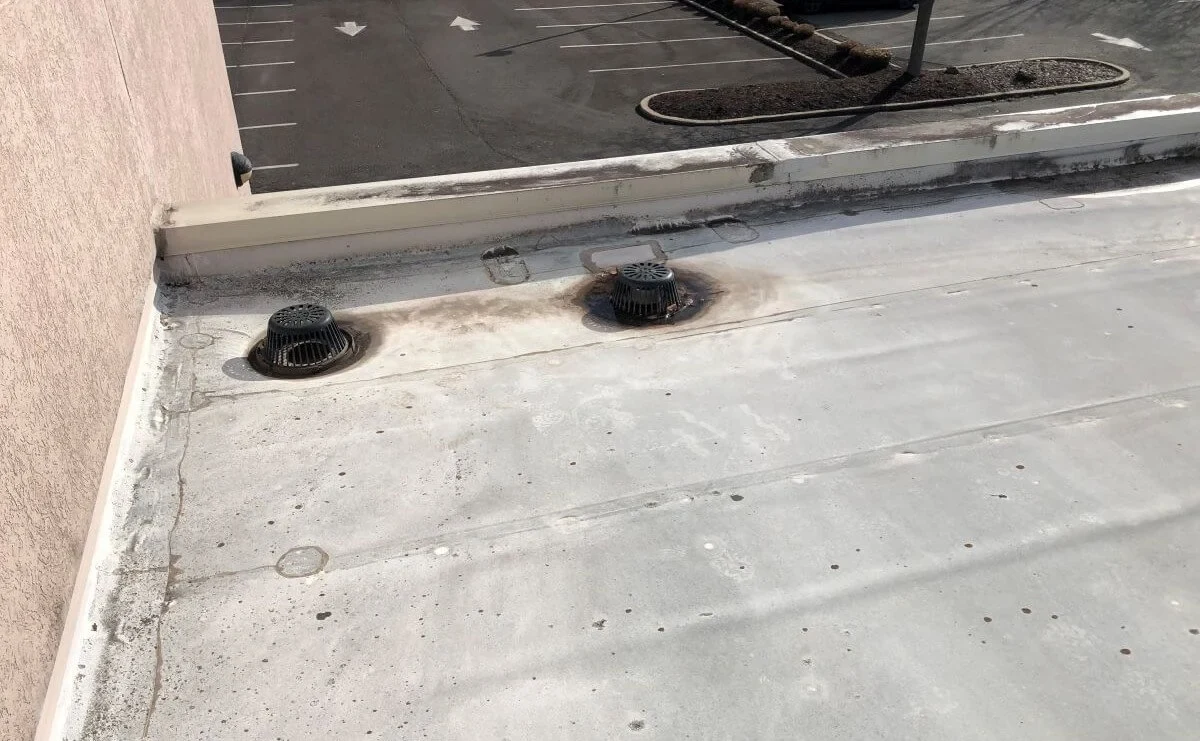
- Drain and scupper blockage from storm debris
- Rooftop unit and duct penetration seal disruption
Repair Scope After Assessment
Once the extent is mapped, repair scope ranges widely depending on what the storm actually did. A hail event that only bruised membrane without breaking it might call for reinforcement patches at the worst spots and closer monitoring going forward rather than a full section replacement. A wind event that tore edge metal loose needs that section refastened and resealed properly, rather than pressed back down. We scope to what the roof actually needs, and explain the reasoning so the owner understands why two similar-looking storm events can call for very different repairs.
Insurance Timing Considerations
Storm damage repair often runs alongside an insurance claim process, and the timing matters. We document damage promptly after the event, before any further weather can complicate what is attributable to the original storm, which supports a cleaner claim regardless of how the repair itself gets scheduled.
Storm Damage Questions From Utah County Owners
How soon after a storm should a roof be inspected?
As soon as it is safe to get a crew on the roof, ideally within a few days. Damage from hail or wind does not always show up as an immediate leak, so early documentation matters even if nothing seems urgent yet.
Can hail damage a membrane without puncturing it?
Yes, and this is one of the more commonly missed forms of storm damage. Bruised membrane can look fine on a casual inspection while being structurally weakened at the impact point.
Does every wind event require a full roof inspection?
Any documented significant wind event is worth checking, particularly at perimeter and corner fastening, since that is where wind damage concentrates first.
How is storm damage repair different from a normal leak repair?
Storm repair typically follows a formal assessment and documentation process tied to a specific event, and often needs to support an insurance claim in a way routine maintenance repair does not.
What if damage is found in multiple areas of the roof?
We scope and prioritize each area, repairing the most exposed or highest-risk sections first if the full repair cannot happen in a single visit.