Hail Damage Roof Insurance Claims in Provo, UT
Commercial Roofing • Commercial Roofing Services • Provo,
Proving Hail Damage That Doesn't Look Like Much From the Ground
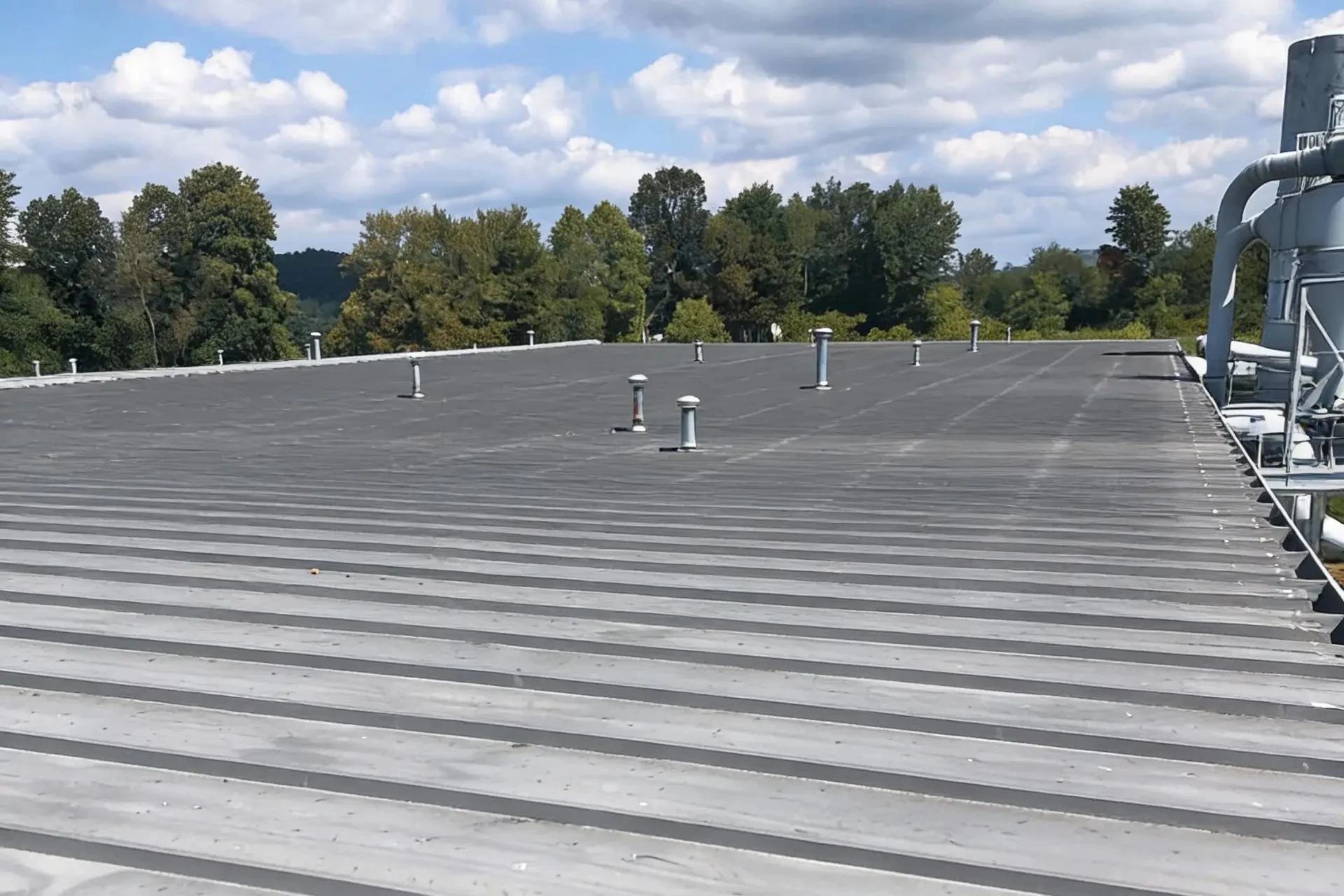
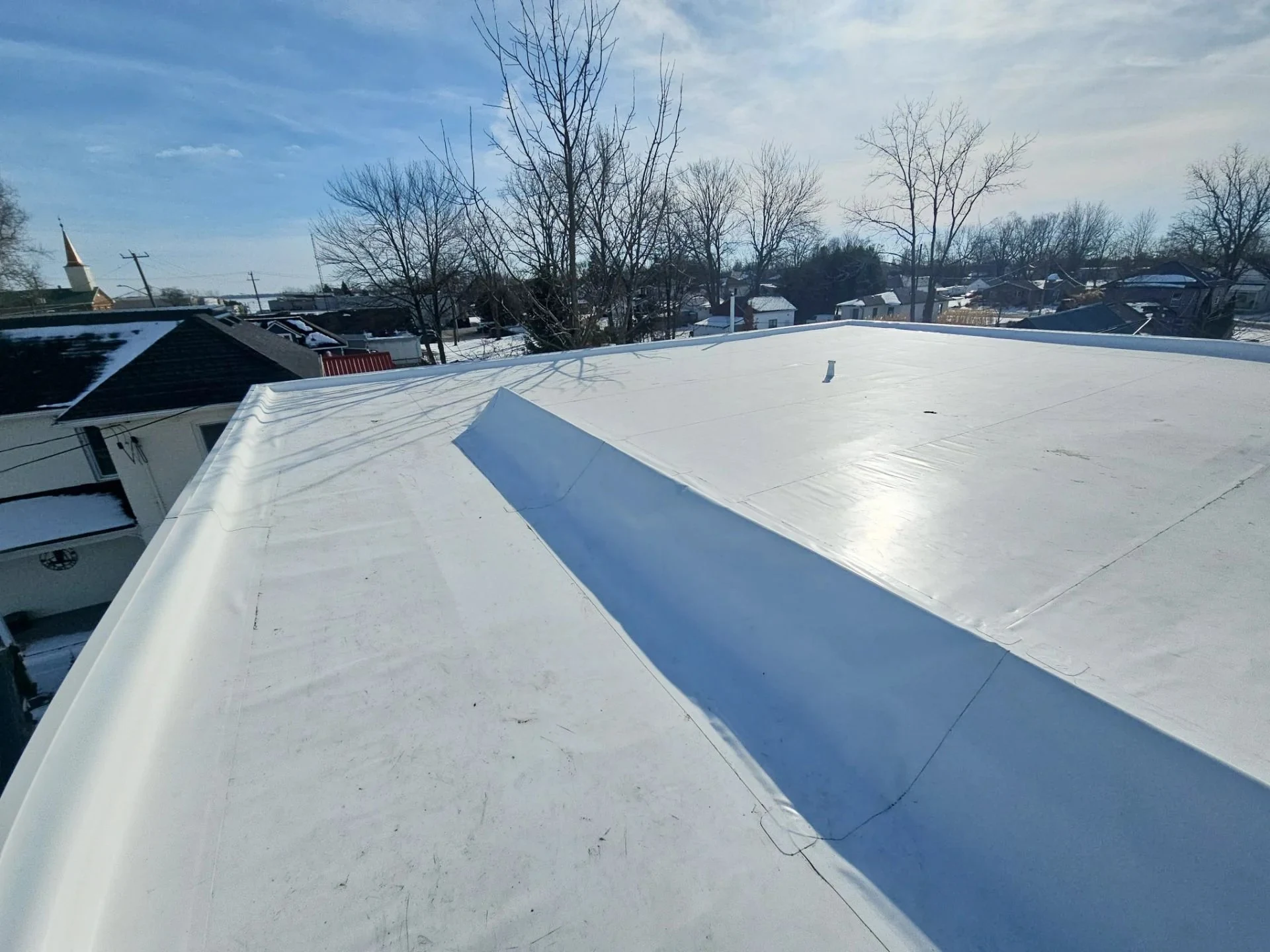
Hail is the storm-claim category that most often gets underestimated, because the damage it does to a low-slope commercial membrane rarely looks dramatic. A homeowner's asphalt shingle roof shows hail impact clearly from the driveway. A TPO, EPDM, or modified bitumen roof usually does not, which is exactly why hail claims on commercial buildings need a different documentation approach than the one most owners picture.
How Utah Valley Hail Actually Hits Commercial Roofs
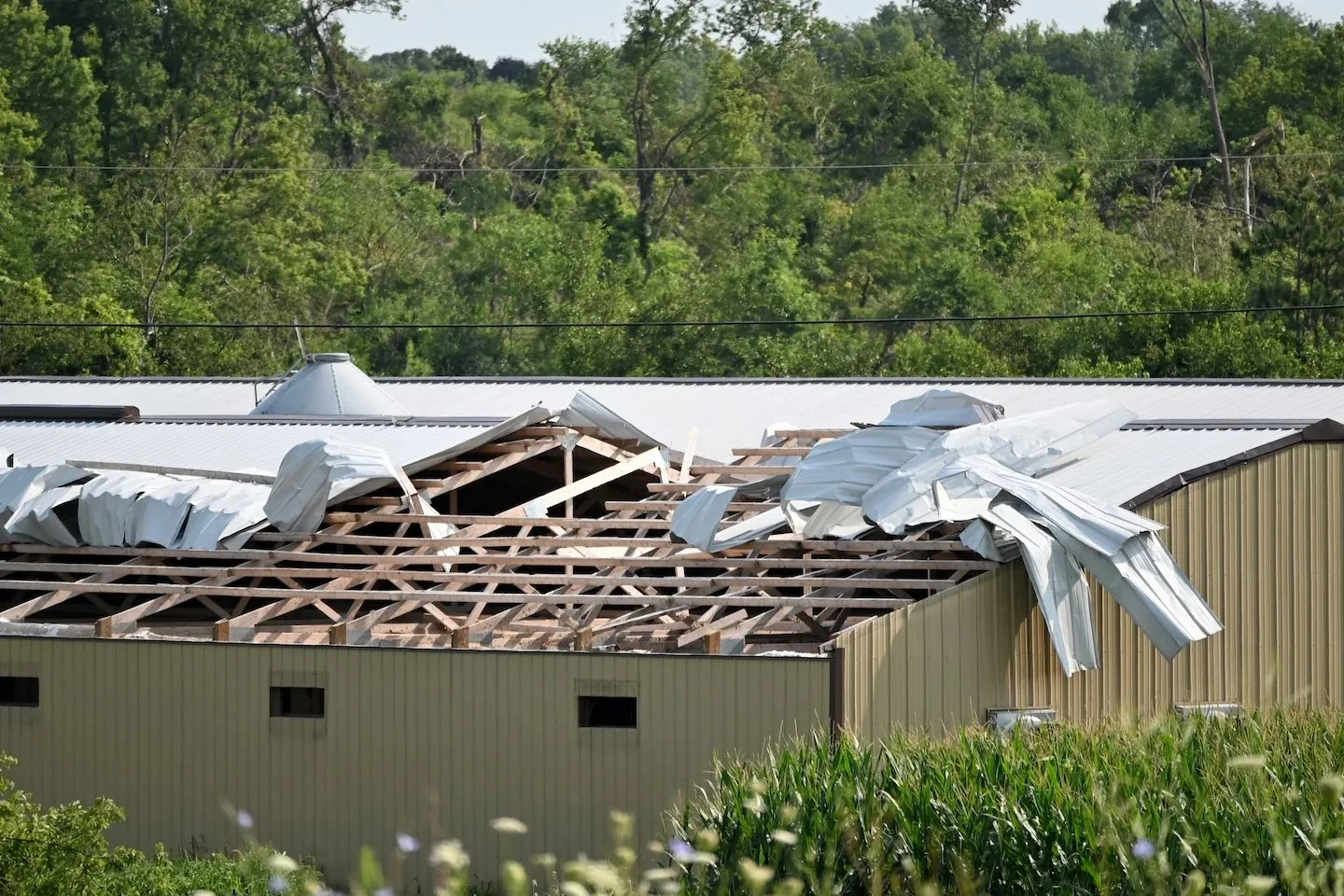
Spring and summer convective storms build over the valley and the Wasatch Front with enough regularity that hail is a routine part of owning a commercial roof here, not a rare event. Buildings around Orem's State Street retail corridor, the growing industrial parks near Spanish Fork and Springville, and newer construction pushing into Vineyard and Saratoga Springs all sit exposed to whatever comes through during a given storm season. Hail size varies considerably storm to storm, and so does the resulting damage, which is part of why a single quick look at a roof after a hailstorm is not enough to know what actually happened.
Bruising Versus Puncture
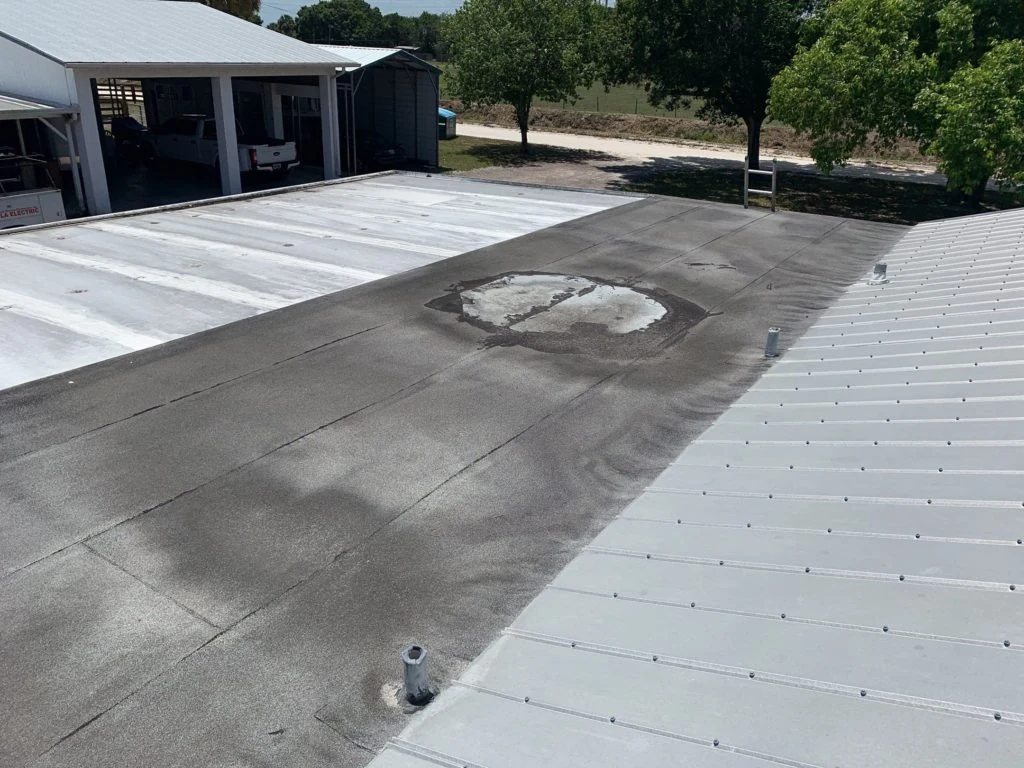
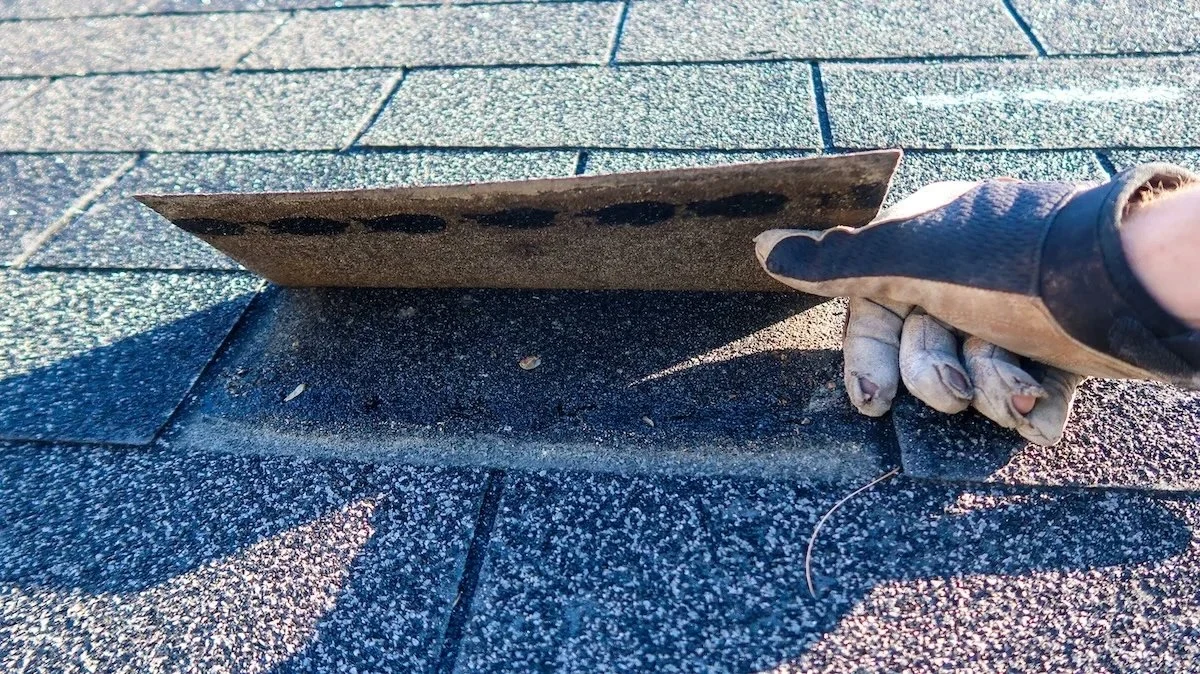
The distinction that matters most for a claim is bruising versus puncture. A puncture is obvious: a hole, a tear, water getting in immediately. Bruising is not obvious. It is a soft spot where hail has compromised the membrane's structure without breaking through it, and it can sit unnoticed for months before it cracks or splits, often during a completely unrelated freeze-thaw cycle that has nothing to do with the original storm. We check for bruising with the same care as a visible puncture, because the difference between catching it during the original claim window and finding it a year later as an unrelated-seeming leak is significant, both for the roof and for how cleanly a claim ties back to the event that actually caused it.
Documenting Hail Damage for a Claim
We map every affected area of the roof, beyond the sections that show obvious impact, and measure hail size and density across the field rather than relying on a single reference point. Photos capture both wide shots showing pattern and close-ups showing individual impact marks. Where bruising is suspected but not visually certain, we note it as a monitoring point in the documentation rather than guessing at its severity, which keeps the record accurate and defensible if the carrier's own inspector reaches a different initial read.
Roof Material and Age Change What a Given Hailstorm Means
A thicker membrane or a granulated cap sheet tolerates hail impact better than a thin, aged single-ply that has already lost flexibility to years of UV exposure. We factor the roof's existing condition and material into how seriously a given hailstorm should be read, rather than applying the same threshold to a five-year-old roof and a twenty-year-old one. That context is part of what goes into the documentation, since an adjuster benefits from understanding why a moderate hail event might mean more on one roof than on another nearby.
What This Documentation Does and Does Not Do
We're your roofing contractor documenting what the hail actually did to your roof, not a public adjuster negotiating what the carrier pays. Our part of the process is producing an accurate, measured, photographed record and being available to walk the roof with the adjuster directly. What the carrier ultimately approves is a decision between the owner, the policy, and the adjuster.
- Full-field mapping of hail impact, beyond the most visible areas
- Bruised-membrane assessment distinct from visible punctures
- Hail size and density measurement across affected sections
- Material-and-age context for how a given storm affects this specific roof
- Wide and close-up photo documentation for the claim file
- Roof walkthroughs with the adjuster on request
Hail Claim Questions From Utah Valley Owners
Can hail damage a commercial roof without leaving a visible hole?
Yes, and it's one of the most commonly missed forms of hail damage. Bruised membrane can look fine on a casual inspection while being structurally weakened at the impact point.
How soon after a hailstorm should a commercial roof be inspected?
As soon as it's safe to get a crew on the roof, ideally within a few days. Documentation quality drops the longer it waits, since later weather can obscure what happened during the original event.
Does every hailstorm justify a claim?
Not necessarily. Hail size, roof material, and existing roof condition all factor into whether a given storm caused claimable damage, which is part of what an inspection establishes before anything gets filed.
Will a small amount of hail bruising get missed if it's not documented right away?
It can. Bruised membrane often doesn't show as an active leak until months later, sometimes during an unrelated weather event, which is why documenting it at the time of the original storm matters even if nothing looks urgent yet.
Do older roofs need a different hail damage standard?
Yes. A roof nearing the end of its service life has less material flexibility left to absorb hail impact, so the same size hail can mean more damage on an older roof than on a newer one.
Ready to review the roof scope?
Request a Roof Assessment