Standing Seam Metal Roofing in Provo, UT
Commercial Roofing • Commercial Roofing Services • Provo,
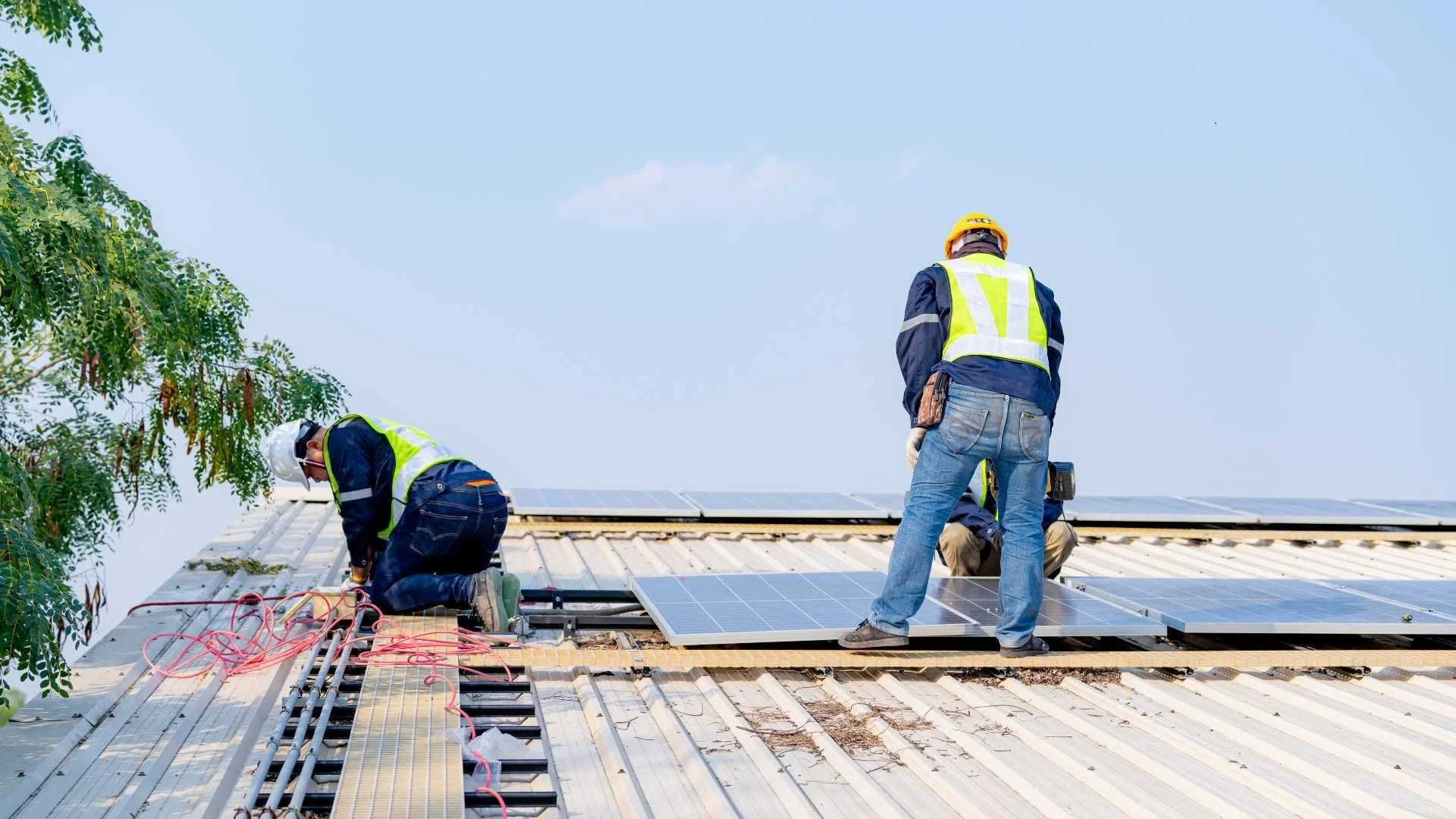
Concealed-Fastener Panels for Snow-Shedding Roofs Above Provo Canyon
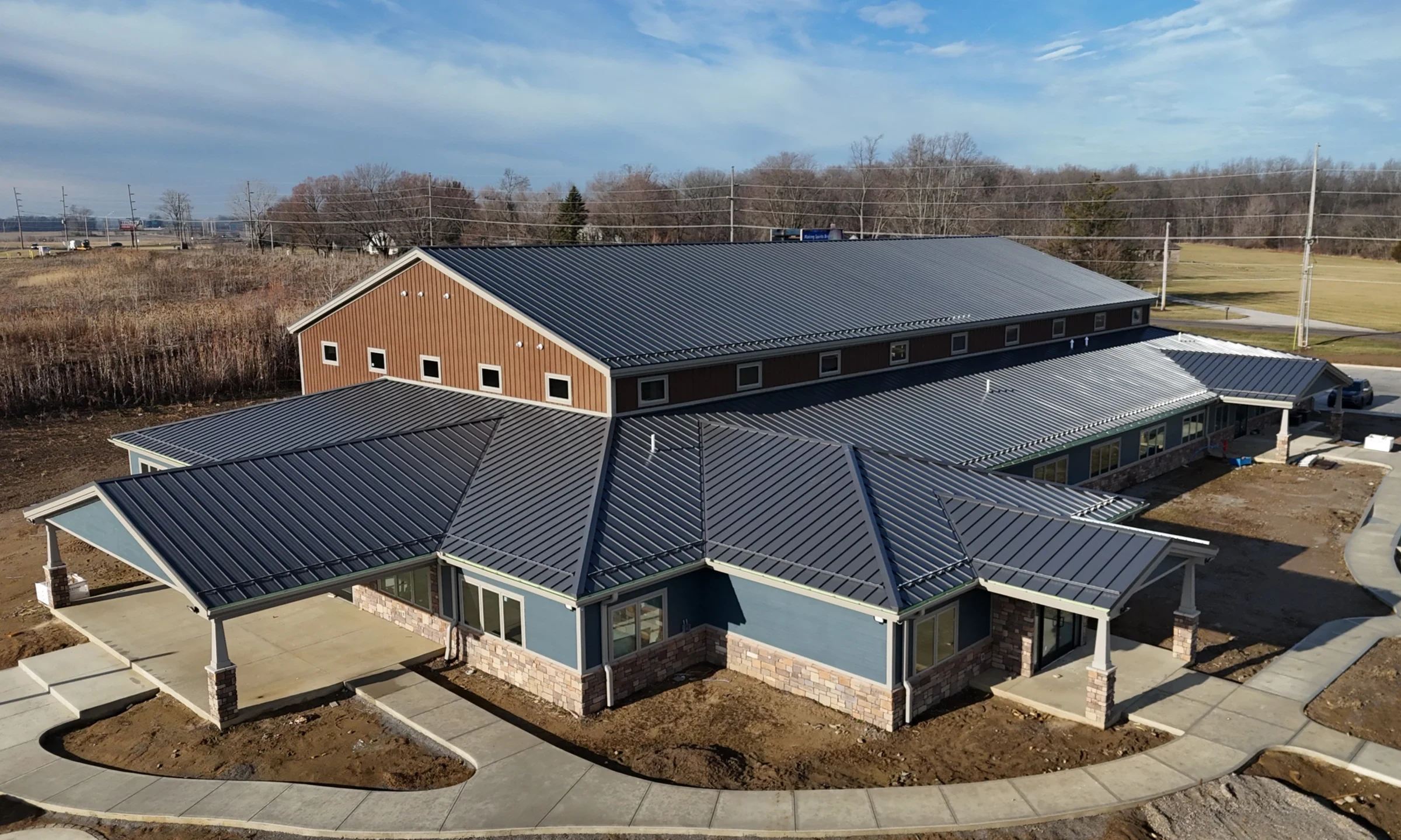
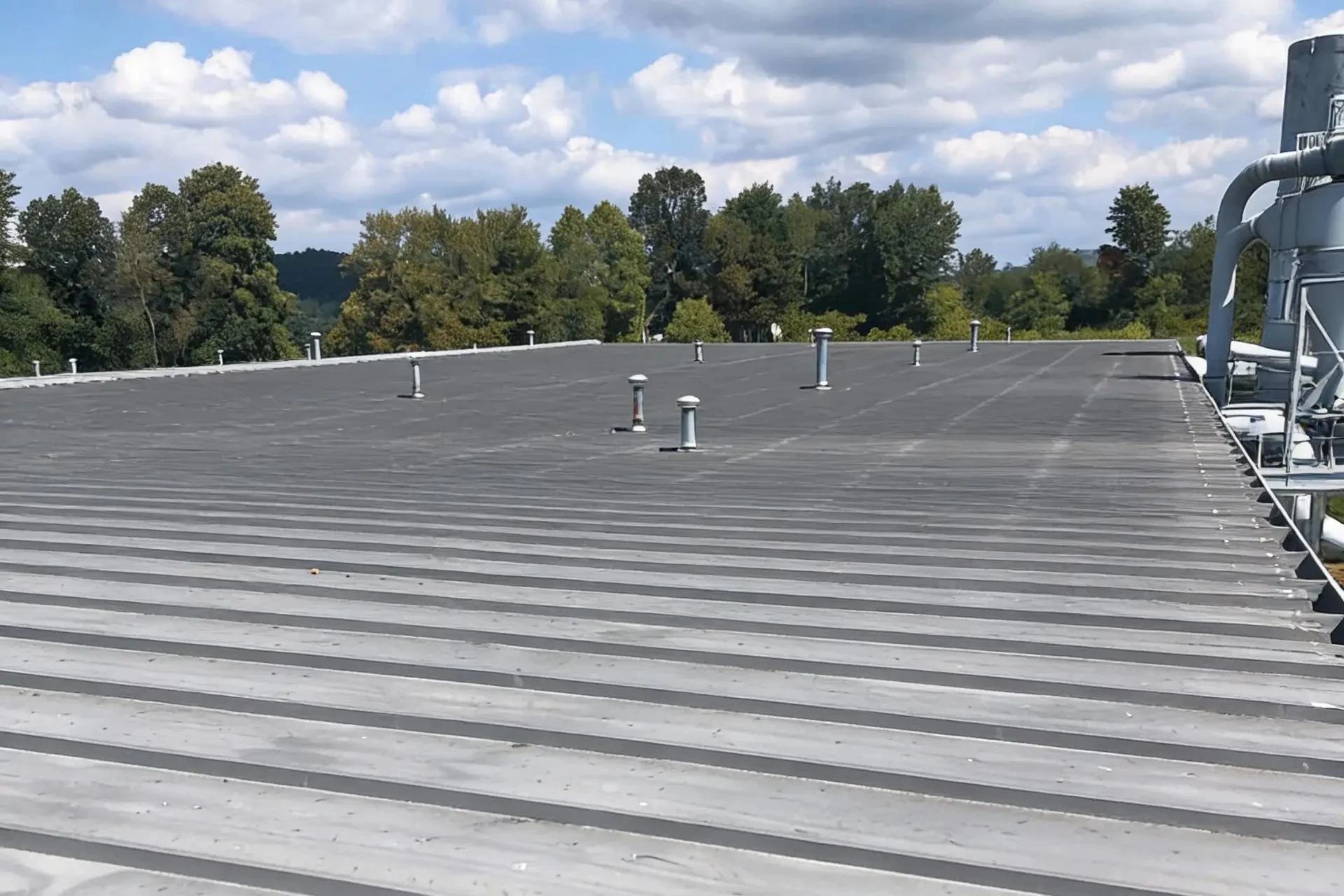
Standing seam metal roofing shows up on sloped commercial and institutional buildings across Utah County more than almost anywhere else we work, from lodge buildings up Provo Canyon toward Sundance to agricultural structures out in Genola and Goshen. We install and repair standing seam because its concealed-fastener seams shed snow instead of holding it, and because a properly detailed panel roof outlasts most alternatives on a sloped structure by a wide margin.
Why Standing Seam Sheds Snow Differently Than a Flat Membrane
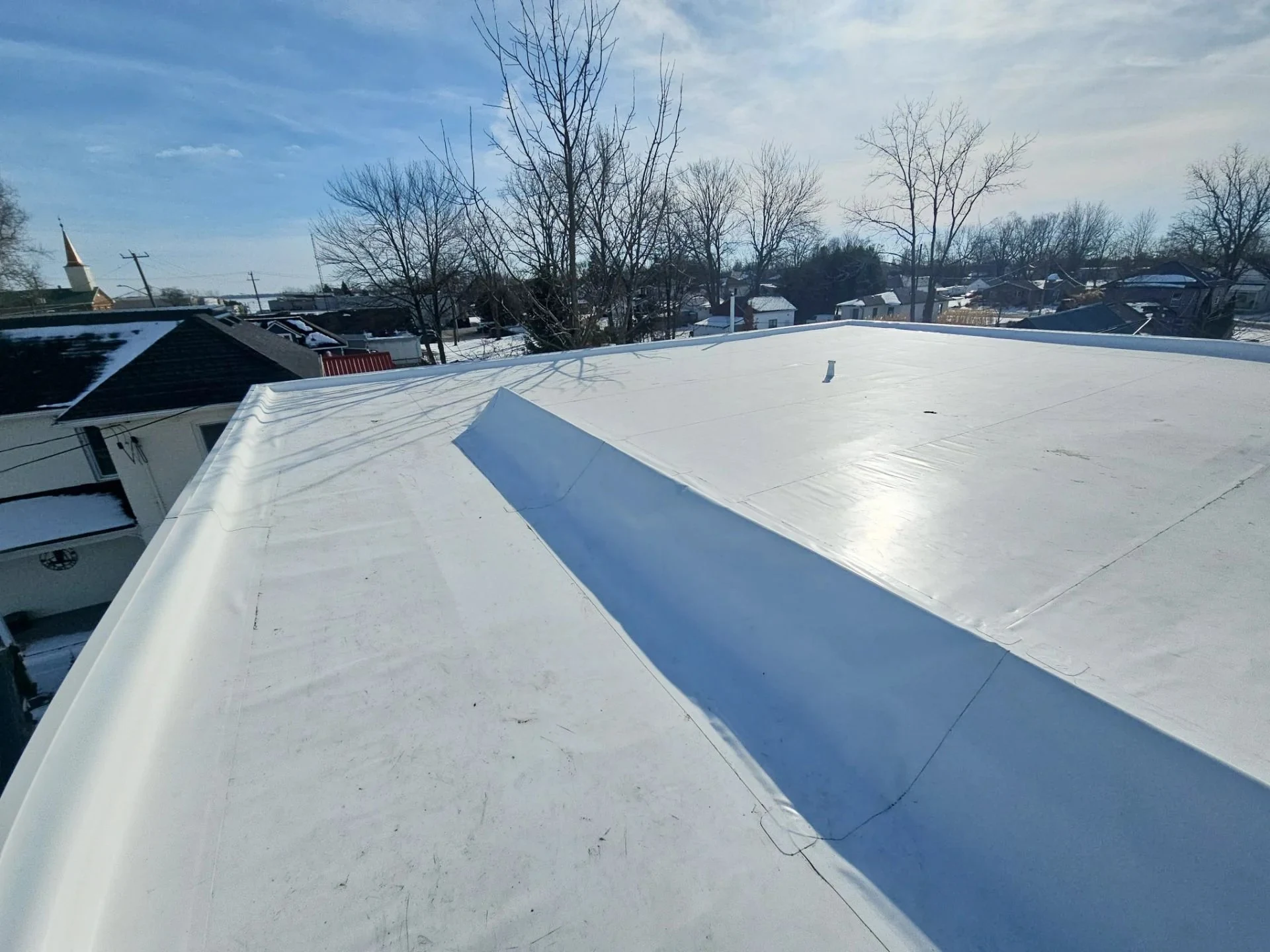
A flat or low-slope membrane roof has to be engineered to carry a full winter's snow load sitting on top of it, but a sloped standing seam roof is designed to shed most of that load before it ever accumulates to design weight. The raised, interlocking seams run vertically with the slope, giving snow and ice a clean path down and off the building rather than a field of low ridges where it can pile and refreeze. That matters directly on buildings like the lodge and resort structures up Provo Canyon, where roof pitch and snow shedding are part of the original architecture, not an afterthought.
The tradeoff is that snow sliding off a standing seam roof needs somewhere to go. We check snow-guard placement over entries, walkways, and mechanical equipment on every installation, since an otherwise well-built roof that dumps a season's accumulated snow onto a doorway creates a liability problem the panels themselves had nothing to do with.
Above-Deck Insulation and Closing the Thermal Bridge
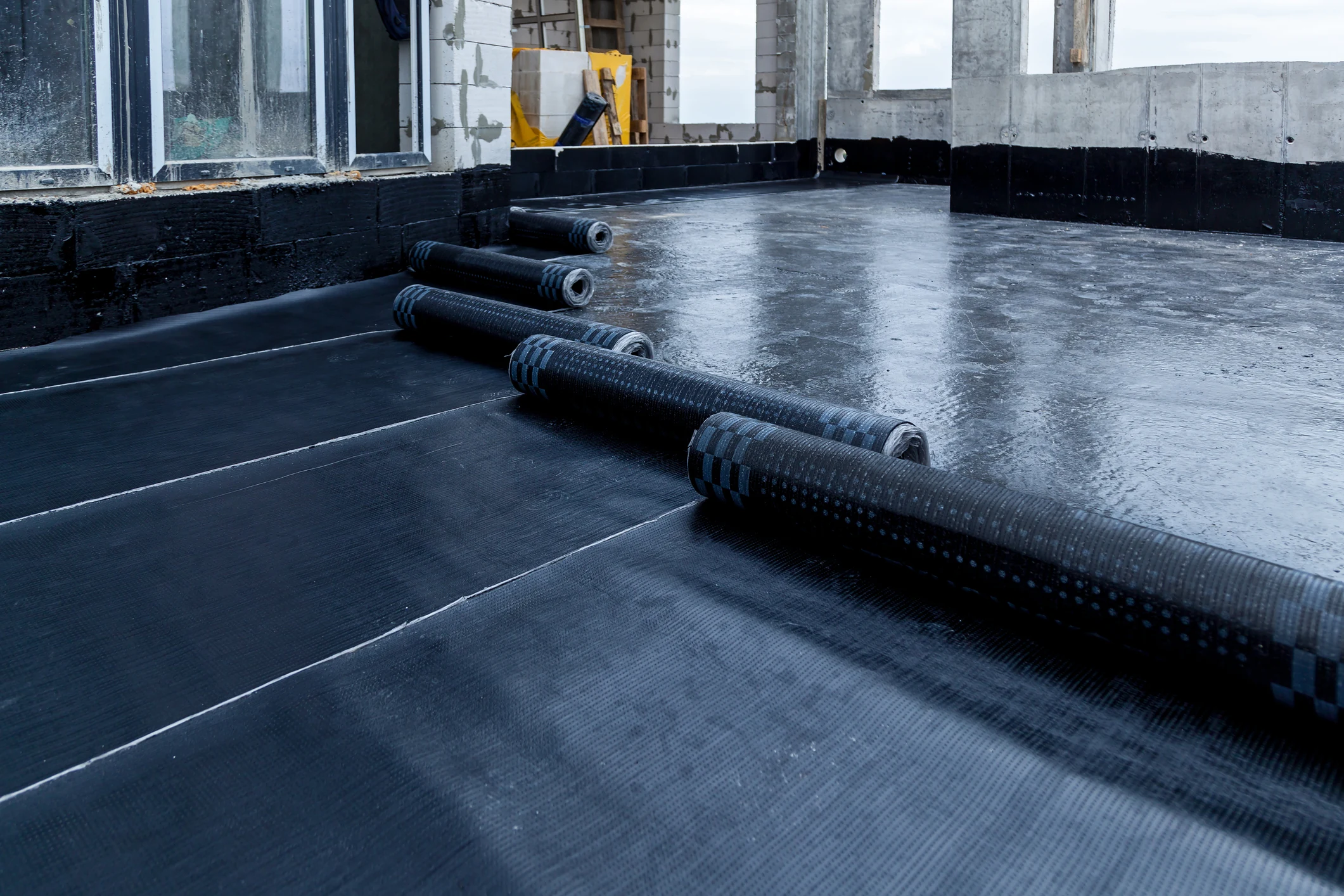
Metal panel roofs conduct heat directly through their fasteners and clips unless the assembly includes a proper thermal break, and that is where above-deck rigid insulation earns its cost on a standing seam retrofit or new build. Installing continuous insulation above the deck, under the panel system, closes the thermal bridging that bare metal clips otherwise create, which matters on any conditioned building as well as the unheated agricultural structures where standing seam is also common. We size that insulation layer to the building's actual use rather than defaulting to a minimum-code thickness, since the energy payoff on a conditioned institutional building looks very different than on an unheated equipment barn.
On unconditioned buildings, like a lot of the ag structures around Genola and West Mountain, the insulation conversation shifts from energy cost to condensation control, since warm, moist interior air hitting a cold metal underside without a thermal break or vapor barrier causes its own set of problems.
Concealed Clips Under Freeze-Thaw and Canyon Wind
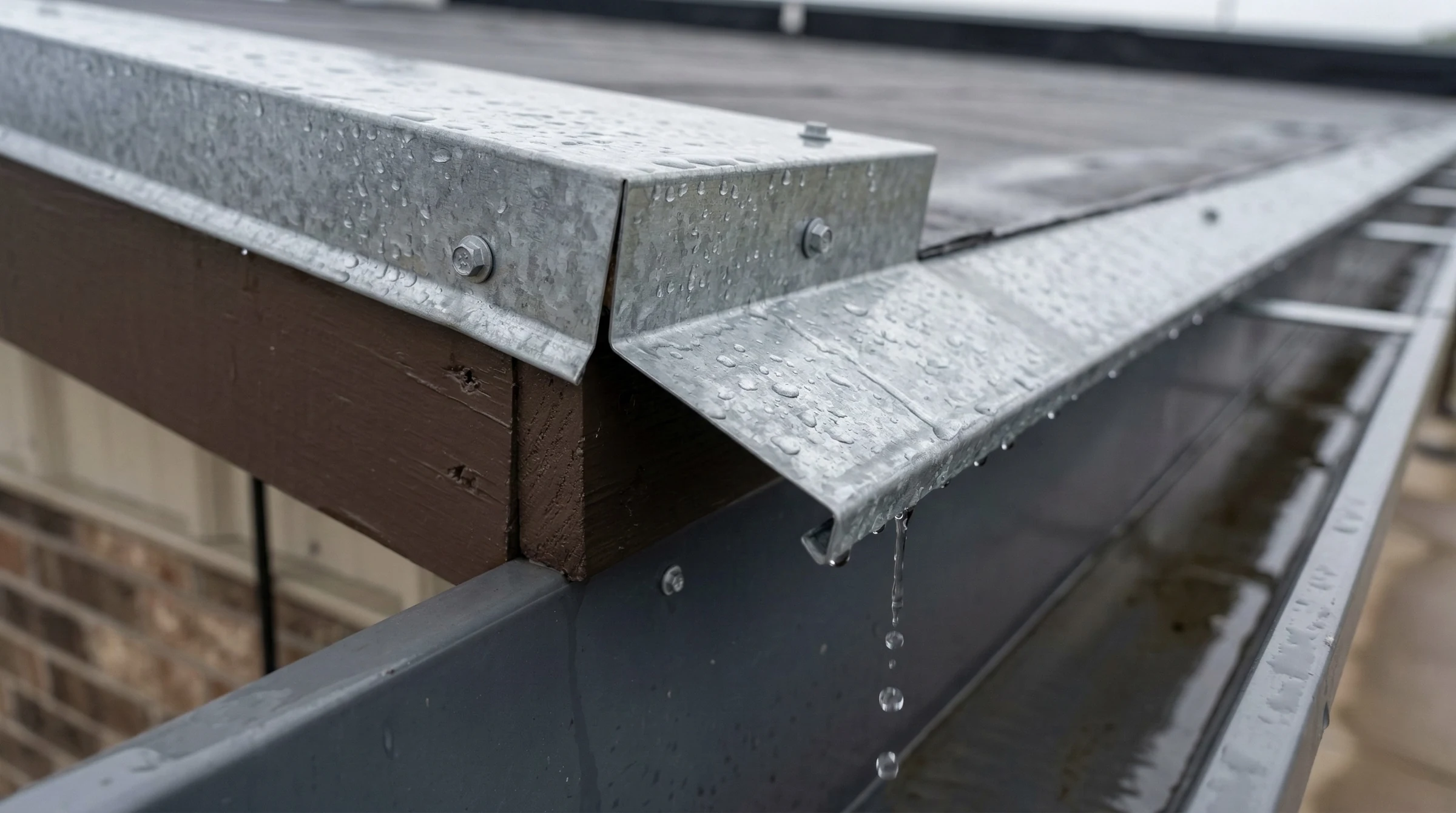
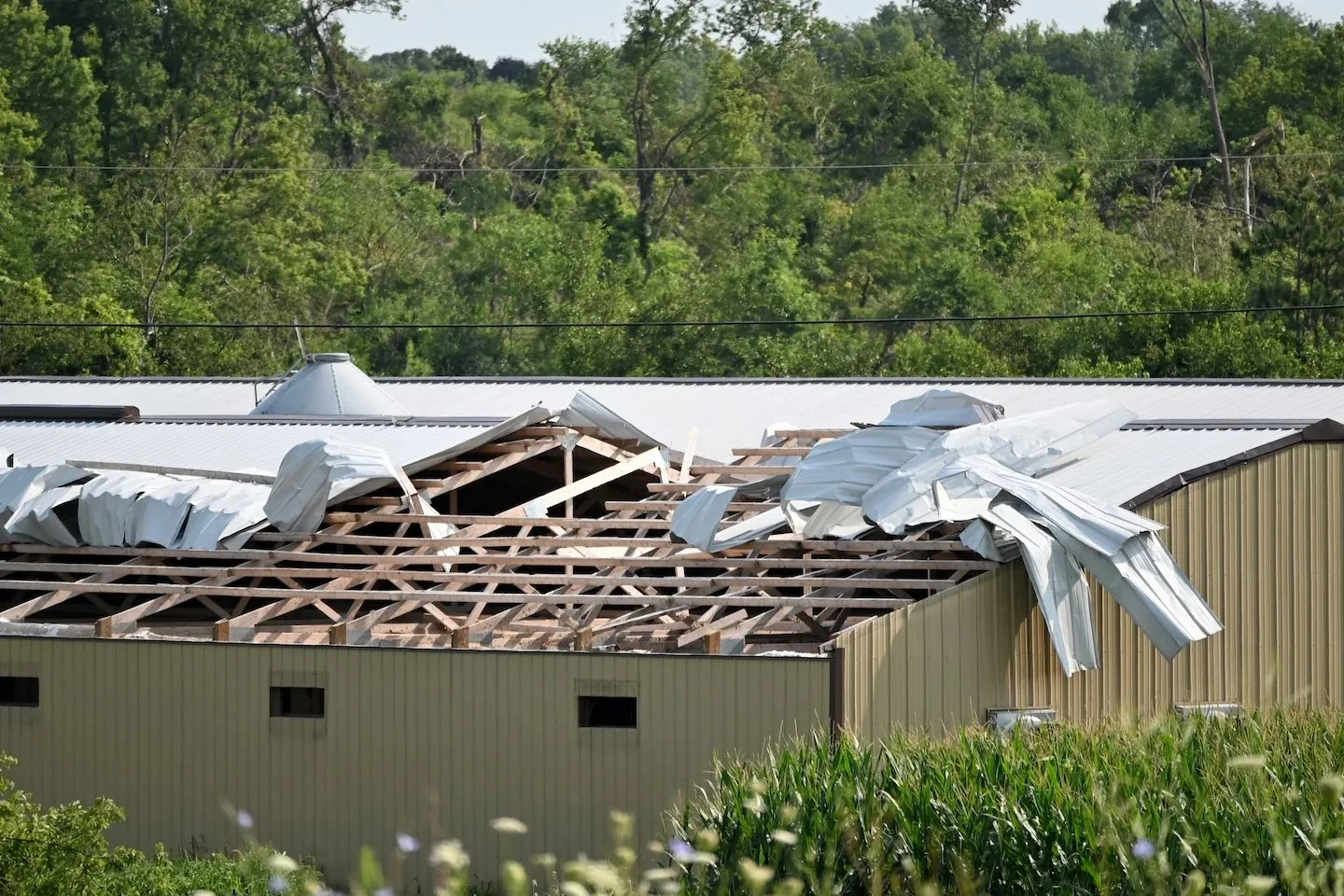
Standing seam's concealed clip system allows the panels to expand and contract with temperature swings without punching new fastener holes through the weather surface, which is a real advantage under the freeze-thaw cycling a Wasatch Front winter puts on a roof. But clip spacing and panel gauge both need to match the wind exposure of the specific site. Buildings positioned near the mouth of Provo Canyon or on an exposed ridge see uplift pressures that a standard clip spacing designed for a sheltered site will not hold against over time.
We check clip engagement and panel seam integrity on every inspection, since a clip that has started to walk loose from repeated thermal cycling rarely shows any visible sign from the ground.
Cool-Metal Coatings on a Reflective Panel
Factory-applied cool-metal coatings on standing seam panels reflect a meaningful share of solar radiation compared to an unfinished or dark-painted panel, which reduces deck temperature and, on a conditioned building, the cooling load reaching the interior. At Provo's elevation, where UV exposure runs stronger than at sea level, coating quality also affects how well a panel holds its color and reflectivity over the decades a metal roof is expected to last. We factor coating specification into panel selection rather than treating color as a purely aesthetic choice, particularly on buildings where the roof is highly visible, like the resort and lodge structures up the canyon.
Where We Install Standing Seam
- Resort and lodge buildings on sloped sites up Provo Canyon
- Agricultural structures in Genola, Goshen, and West Mountain
- Institutional buildings with architectural sloped-roof requirements
- Retrofit projects converting from asphalt shingle or aging metal
- Buildings needing heavy snow-shedding performance over a flat membrane
It is a poor match for a true flat roof, where a membrane system handles drainage and access far better than a sloped panel assembly ever could.
Standing Seam Questions From Wasatch Front Owners
Does standing seam really outperform a flat membrane in heavy snow?
For sloped applications, yes. The panel profile sheds snow rather than requiring the roof to carry a full accumulated load, though snow-guard placement still needs attention for anything below the roof edge.
How much does above-deck insulation add to a standing seam project?
It adds meaningfully to material and labor cost, but on a conditioned building the energy savings and condensation control it provides typically justify that cost over the life of the roof.
Can standing seam be installed over an existing shingle roof?
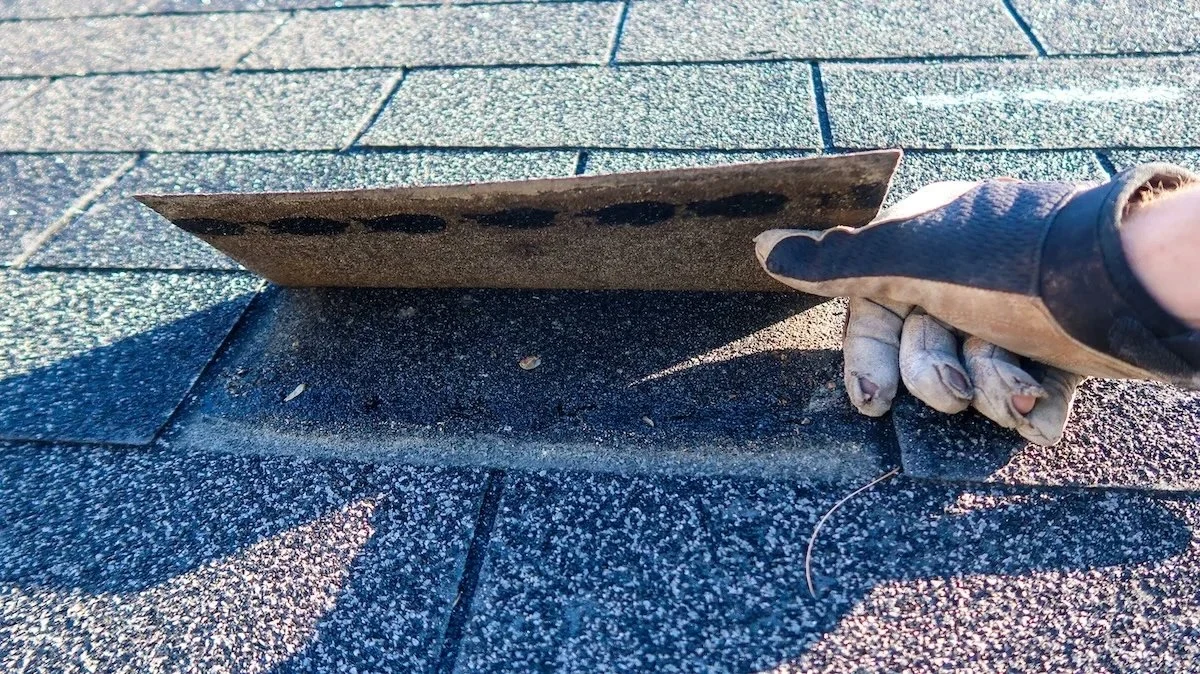
Often, yes, provided the existing deck is structurally sound and a proper underlayment and clip system are used. We evaluate the existing structure before recommending that approach.
How does canyon wind exposure change panel and clip selection?
Sites with clear wind exposure need heavier gauge panels and tighter clip spacing than sheltered sites require under standard uplift calculations. We assess site exposure before finalizing a spec.
Do cool-metal coatings fade or lose reflectivity over time?
All coatings degrade gradually under UV exposure, but higher-quality factory finishes hold their reflectivity and color far longer than field-applied paint, which is why we spec coating quality carefully on visible roofs.