Commercial Reroofing in Provo, UT
Commercial Roofing • Commercial Roofing Services • Provo,
Reroofing Silicon Slopes Offices and Aging State Street Buildings
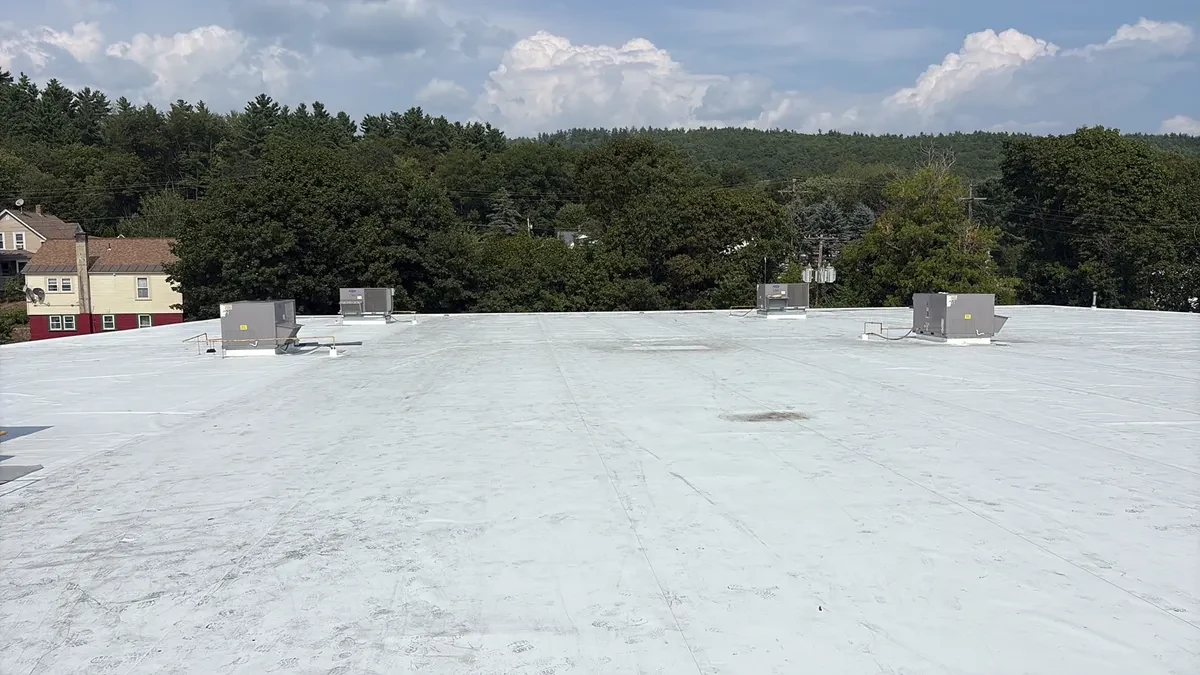
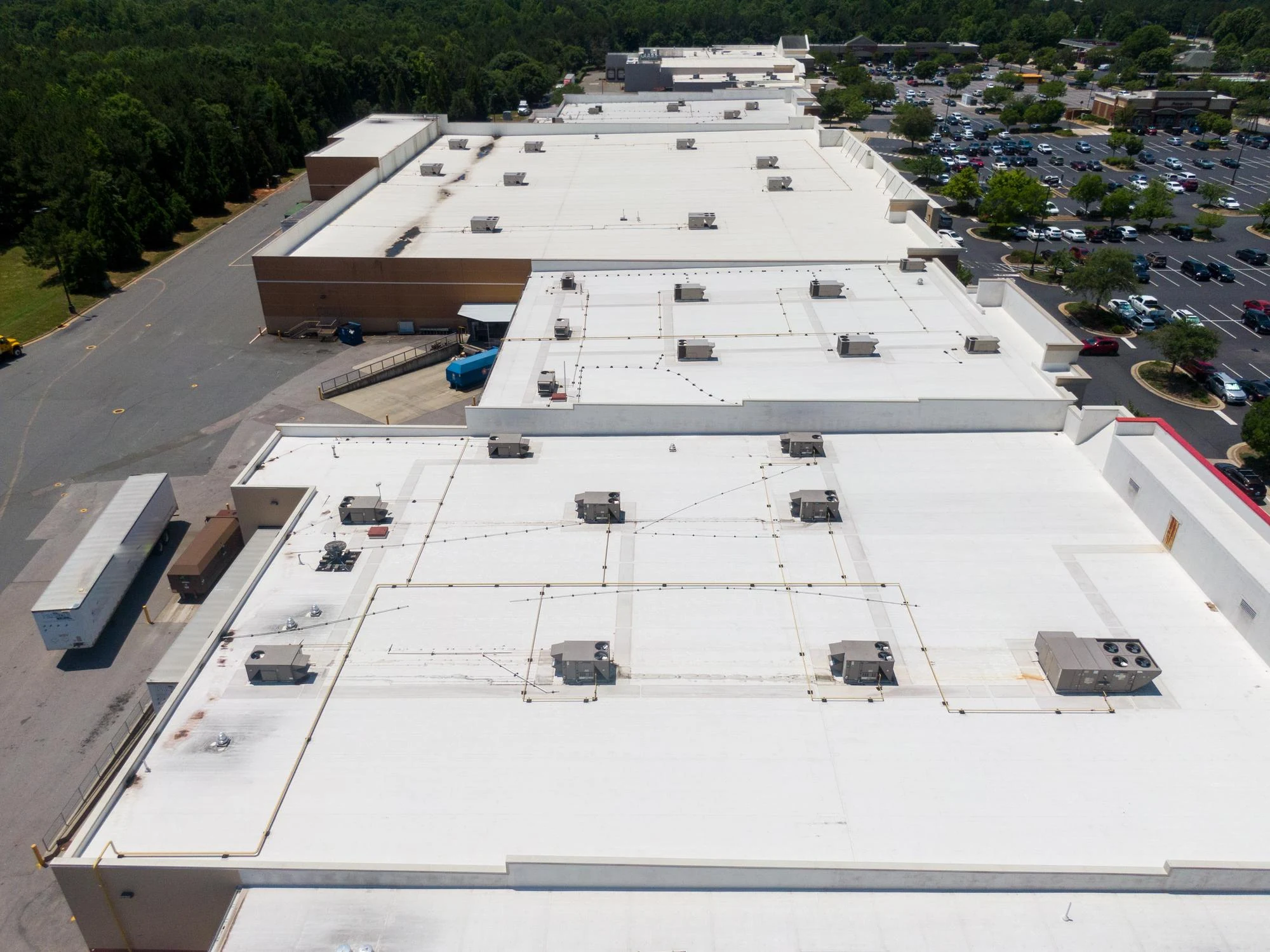
A reroof is the biggest single decision a commercial building owner makes about the envelope, and it only happens once every fifteen to twenty-five years depending on the system. We scope, sequence, and install full commercial reroofs across Utah County, from newer office campuses in Lehi coming off their first membrane cycle to older retail buildings along State Street that have been patched more times than anyone wants to count.
When a Roof Has Run Out of Repair Options
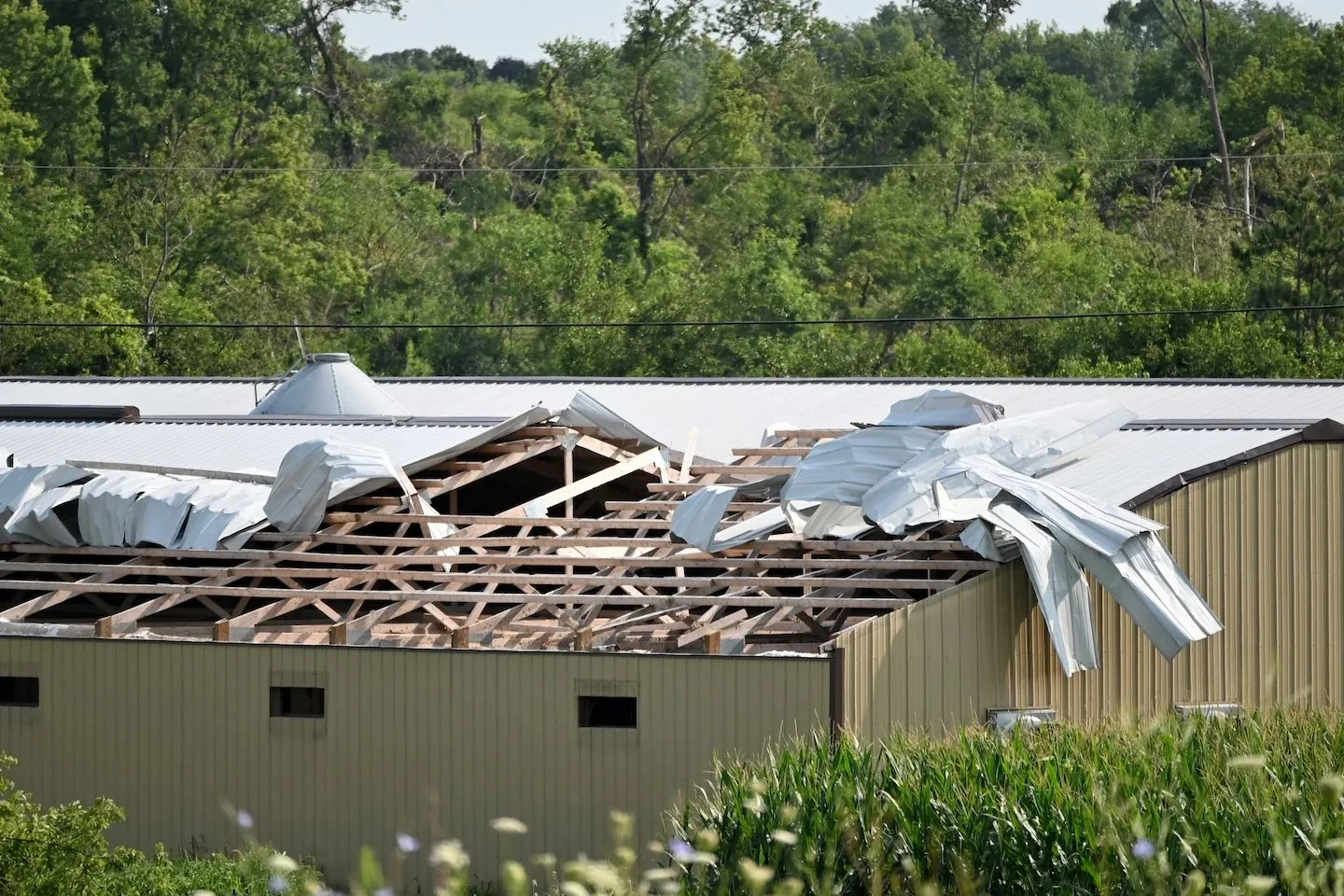
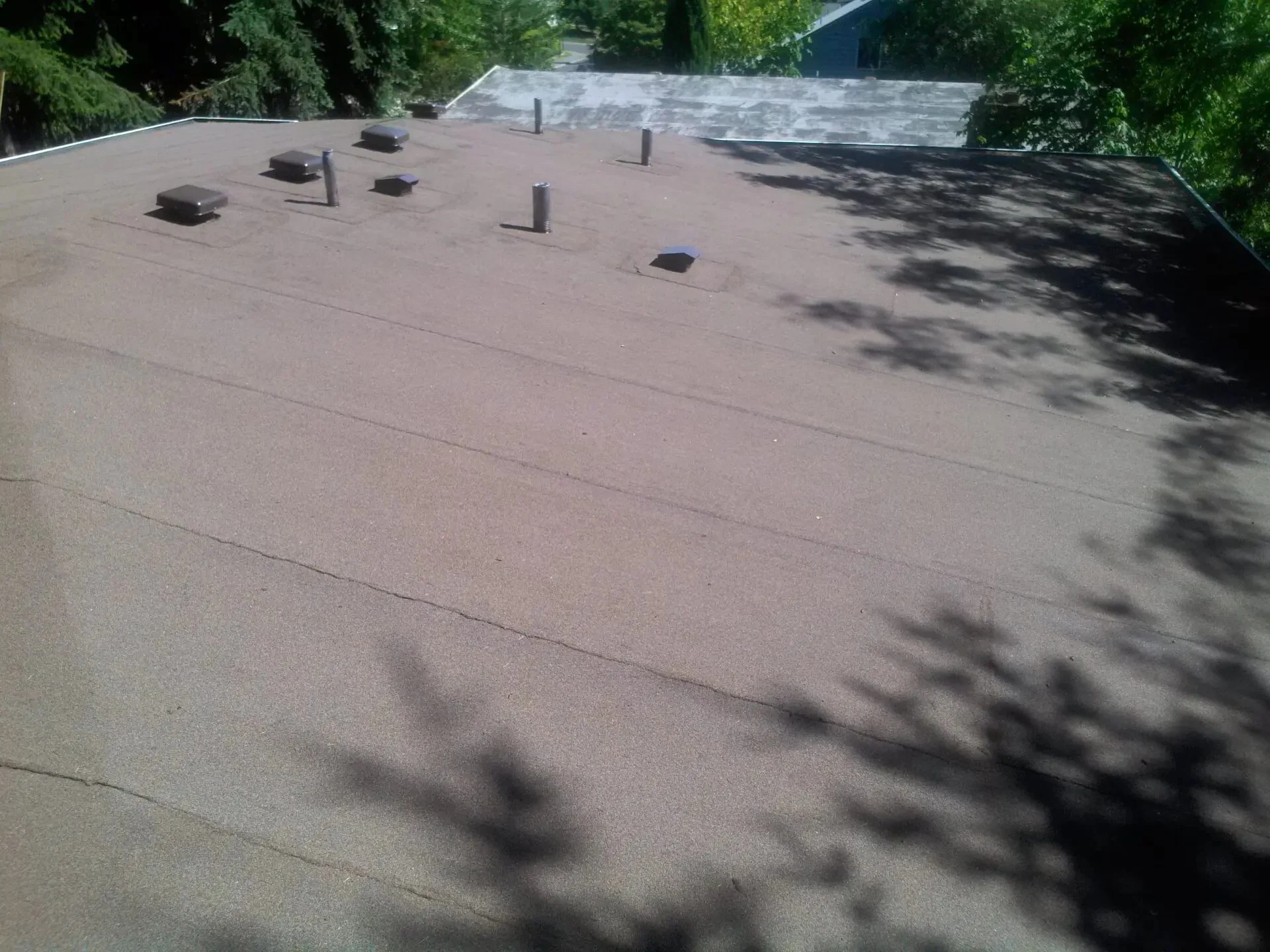
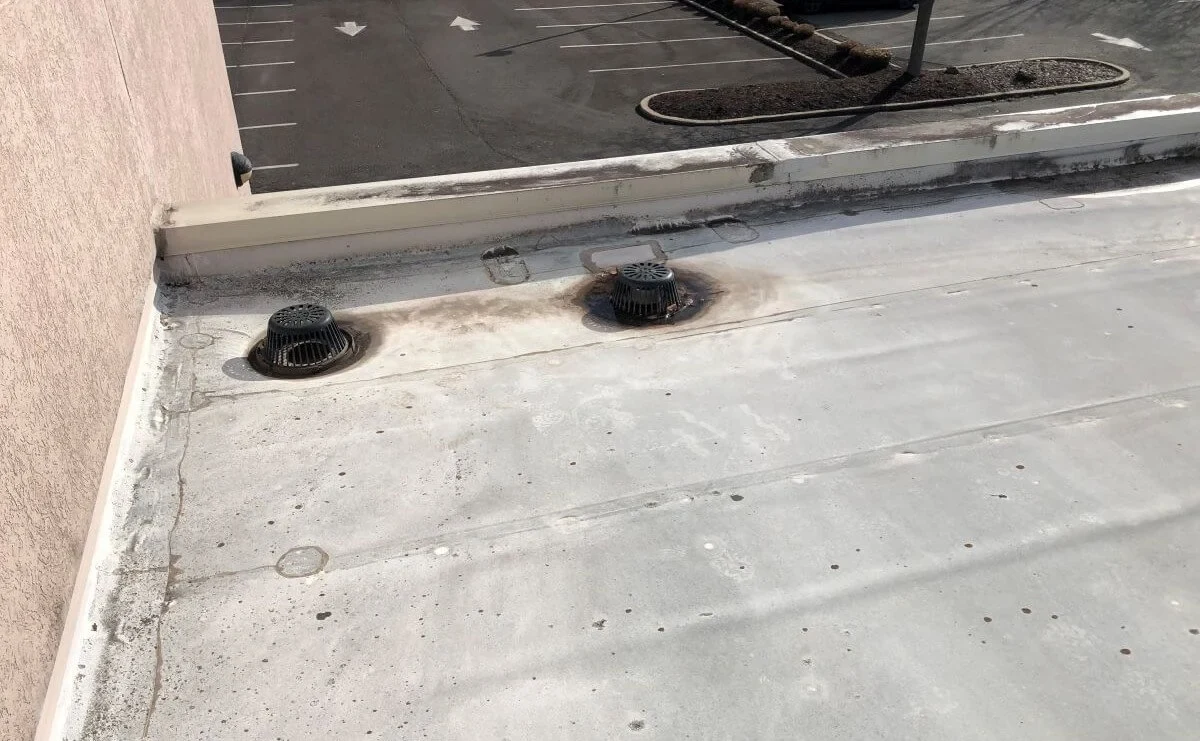
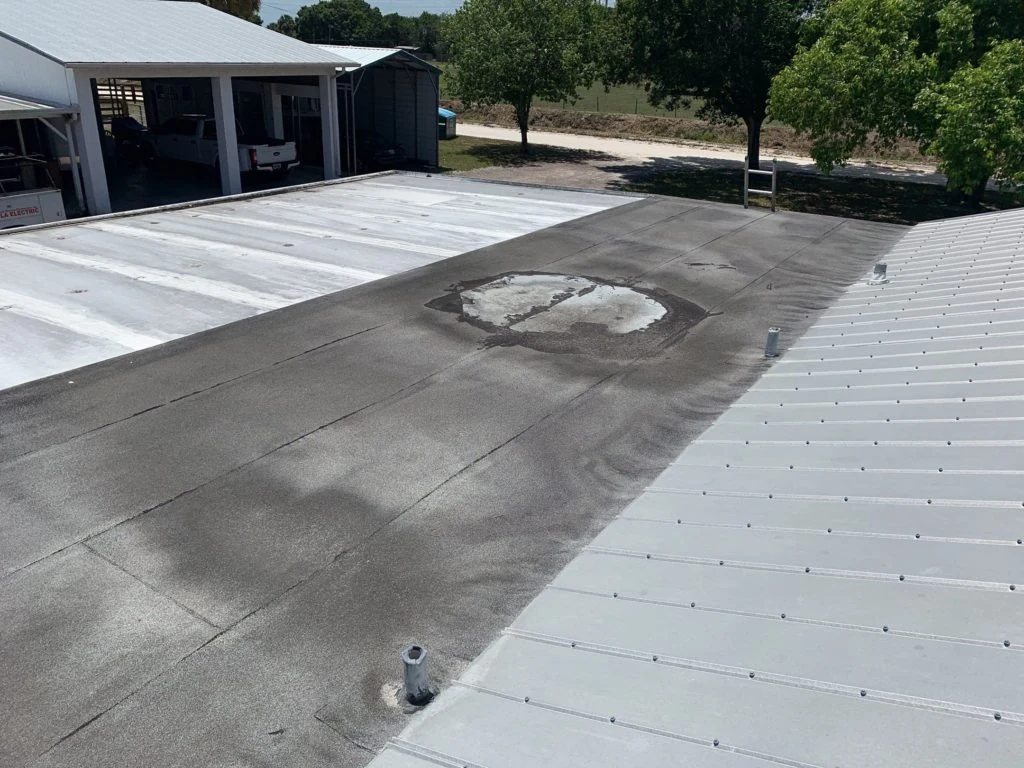
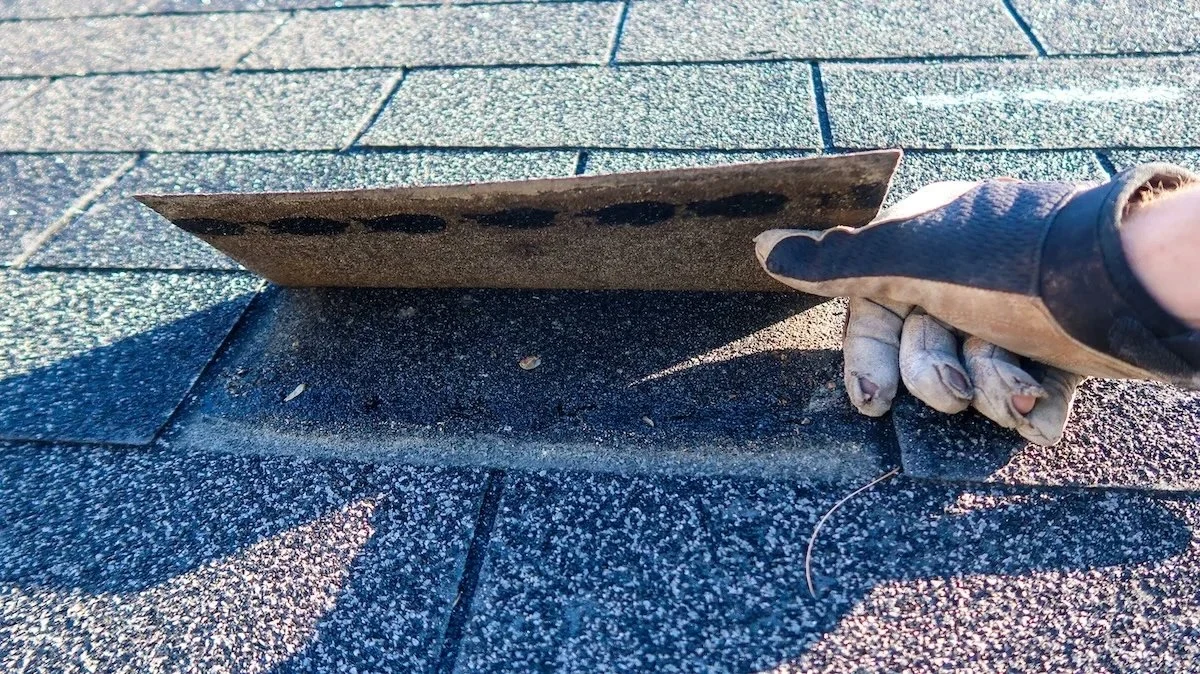
Most reroof projects do not start with a single failure. They start with a pattern: the same field leak returning in a new spot after a patch, membrane that has gone brittle and cracks when a technician walks it, insulation that comes back wet on every core cut. Once a roof is generating enough service calls that the annual repair spend starts approaching what a partial recover would cost, we tell owners plainly that patching further is throwing money at a system that is not coming back.
Buildings in Lehi and Pleasant Grove that went up during the first wave of Silicon Slopes construction are now old enough that their original membranes are reaching the point where recurring seam failures show up regardless of how well the roof was maintained. That is a normal aging curve, not a sign of bad installation, and it is the point where a full reroof conversation makes more sense than another round of spot repairs.
Tear-Off Versus Recover at Reroof Time
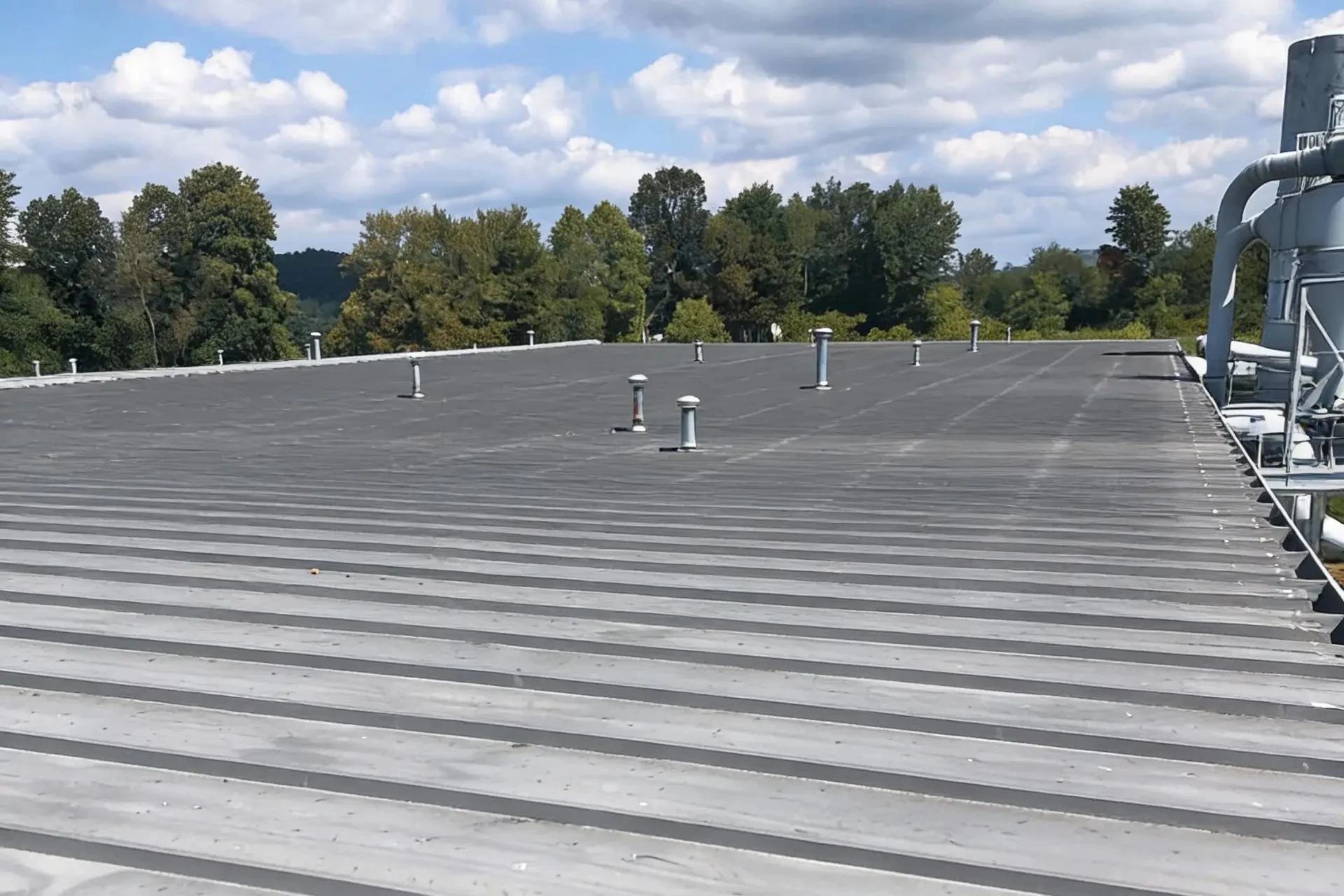
Not every reroof means stripping the building down to deck. If the existing insulation tests dry and the deck is structurally sound, a recover system installed over the existing membrane can be a legitimate option that saves on tear-off labor and disposal cost. We core-cut in several locations before writing the scope, because guessing on moisture content leads to expensive surprises once the crew is on the roof.
Where the existing system has multiple wet layers, or where local code requires exposing the deck for structural inspection, tear-off is the only responsible path. We lay out both options with real numbers rather than defaulting to whichever is easier to sell.
Upgrading Insulation During a Reroof
A reroof is the one point in a building's life where adding insulation thickness costs a fraction of what it would to retrofit later, because the labor to open the roof is already being spent regardless. We routinely recommend bumping polyisocyanurate thickness above the existing R-value during a reroof, particularly on buildings heading into another twenty years of Wasatch Front winters and increasingly hot Utah County summers.
The payoff shows up on the utility side. A building that upgrades insulation at reroof time typically sees its rooftop units cycle less aggressively in both directions, which matters more on office buildings with tight mechanical budgets than on a warehouse with minimal conditioning. We run the insulation math against the building's actual HVAC tonnage rather than pulling a generic recommendation off a spec sheet.
Sequencing a Reroof Around an Occupied Building
Almost every reroof we run happens while the building underneath stays open. That means phasing the tear-off in sections, protecting interior spaces from dust and debris, and coordinating loud demolition work around tenant schedules rather than running it whenever is convenient for the crew. Office buildings near BYU and UVU with lecture or exam schedules get extra coordination on timing, and retail buildings along State Street get sequencing that keeps at least one weatherproof section over the sales floor at all times.
- Membrane brittleness or cracking on multiple test areas of the roof
- Recurring leaks in different locations rather than one repeat spot
- Wet insulation confirmed by core cut or moisture scan
- Annual repair spend approaching the cost of a partial recover
- Visible deck deflection or soft spots underfoot
- Manufacturer warranty already expired with no service history on file
Weather windows matter too. We avoid opening large sections of deck during the wet spring snow stretch and watch forecasts closely for the canyon-wind events that funnel out of Provo Canyon, since an unsecured tear-off section is the worst possible thing to have exposed when gusts pick up.
Matching System to Building Type
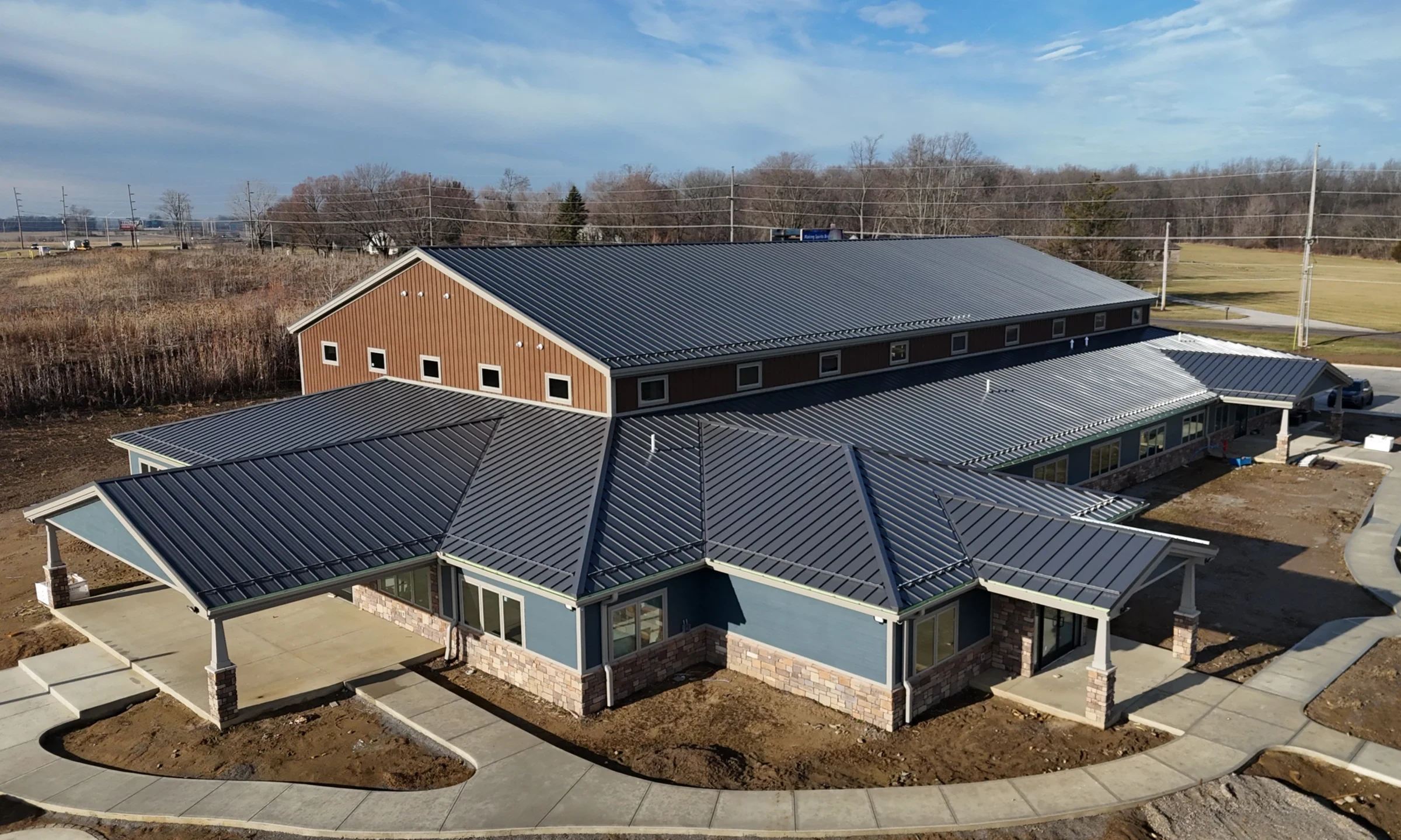
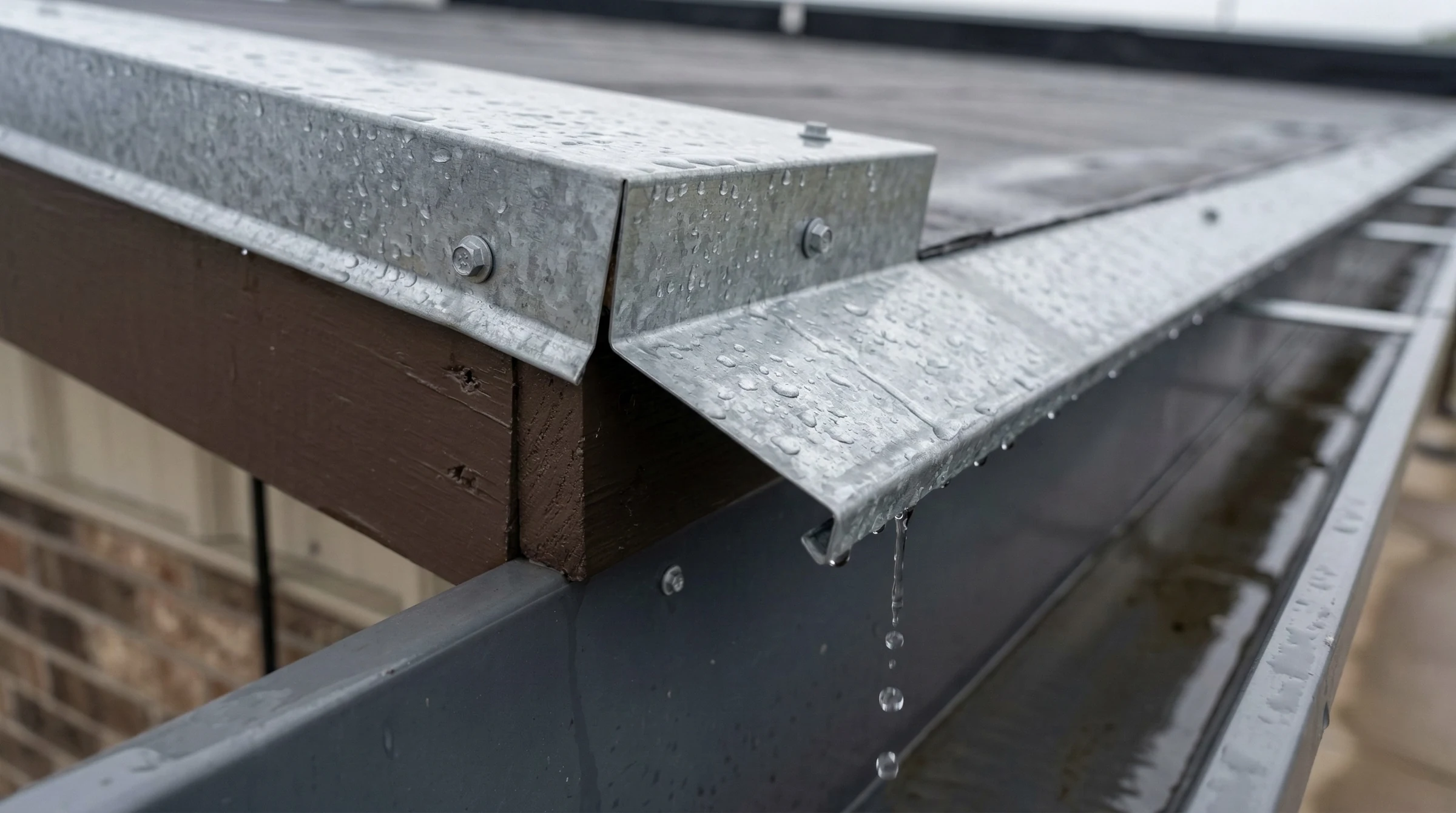
Office, retail, and warehouse buildings reroof differently even when they end up with a similar membrane. A distribution building's low-slope roof with heavy rooftop unit loading needs a walkway pad layout planned before installation starts, not added afterward. A downtown Provo storefront with a low parapet and visible street frontage needs edge metal detailing that keeps the roofline clean from the sidewalk, which changes how we approach termination bars and coping. We scope each reroof against how the building is actually used, not a one-size template.
Reroofing Questions From Building Owners Along the Wasatch Front
How do I know if I need a reroof instead of another repair?
If the same area keeps leaking after repair, or if core cuts show wet insulation in more than one location, patching is no longer solving the underlying problem. We give a straight answer after inspecting, not a default push toward replacement.
Can insulation be upgraded without changing the roof system?
Yes, in most cases. Adding insulation thickness during a reroof is largely independent of which membrane goes on top, as long as the additional height is accounted for at doors, curbs, and drains.
Will the building need to close during the reroof?
Almost never for the reasons above. We sequence tear-off in sections and keep the building weathertight at the end of every work day.
How long does a full reroof take?
It depends heavily on square footage, deck condition, and weather, but most Utah County commercial reroofs run from a few weeks to a couple of months once tear-off starts.
Does a reroof reset the manufacturer warranty?
A properly installed new system typically comes with its own manufacturer warranty independent of what the old roof carried, since the components and installation are new.