Holcim Elevate Roofing in Provo, UT
Commercial Roofing • Roofing Manufacturers • Provo,
Holcim Elevate: Deep EPDM Roots, Now a Full Single-Ply Line
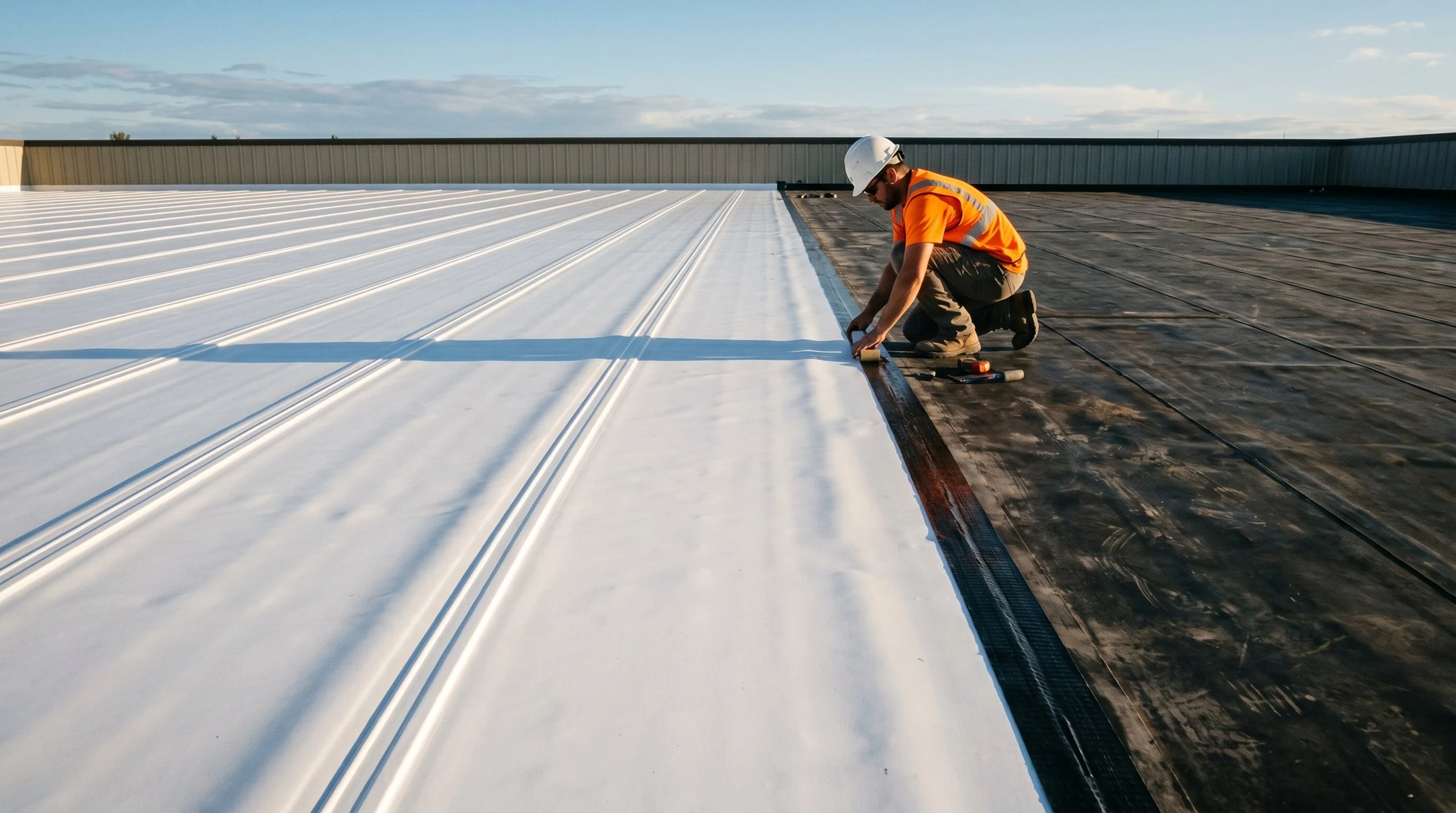
Holcim Elevate, the rebranded successor to what was long known under the Firestone Building Products name, still carries the EPDM heritage that made the earlier brand a standard reference point in commercial roofing. Under Holcim's ownership the product line has broadened into TPO and coating systems as well, and we work with Elevate materials on projects where their specific membrane, warranty structure, or accessory system fits the building better than an alternative from another manufacturer.
EPDM Legacy and Where Rubber Still Wins
EPDM's long field history matters most on roofs where cold-temperature flexibility outweighs the reflectivity advantage of white single-ply. Black EPDM membrane, including Elevate's line, stays pliable through hard freezes better than most alternatives, which is relevant given how many weeks Provo spends in freeze-thaw cycling each spring. On buildings where reflectivity isn't the driving concern, older warehouse space with minimal rooftop mechanical load, for instance, EPDM's long track record in the field is a real point in its favor over newer membrane types.
TPO Expansion and Reflectivity Data
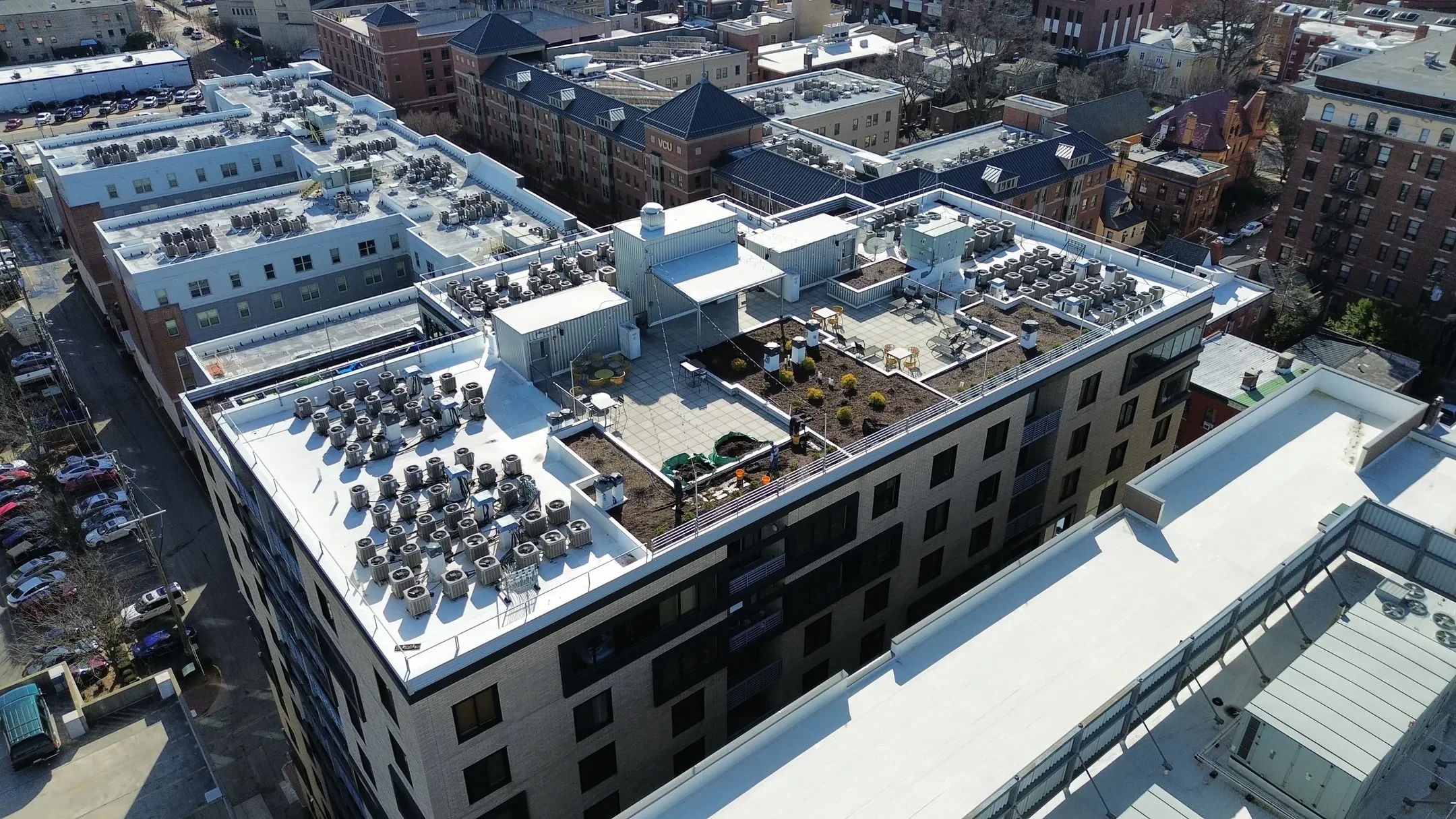
Elevate's TPO line gives us a reflective white option from the same manufacturer for buildings where cooling load is the priority instead. We reference their published reflectivity and emissivity numbers the same way we do for any manufacturer, matching that data against the building's actual HVAC load and insulation plan rather than treating the number as the whole story.
Coating and Restoration Products
Elevate also makes silicone and acrylic restoration coatings, which come up on older flat roofs around downtown Provo where a full tear-off isn't the right first move. Coating over an existing dry, sound roof extends service life at a fraction of replacement cost, and having coating and membrane options from the same manufacturer simplifies compatibility questions on projects that combine a partial recover with a coating on adjacent roof sections.
Fleece-Back and Adhesive Options for Uneven Substrates
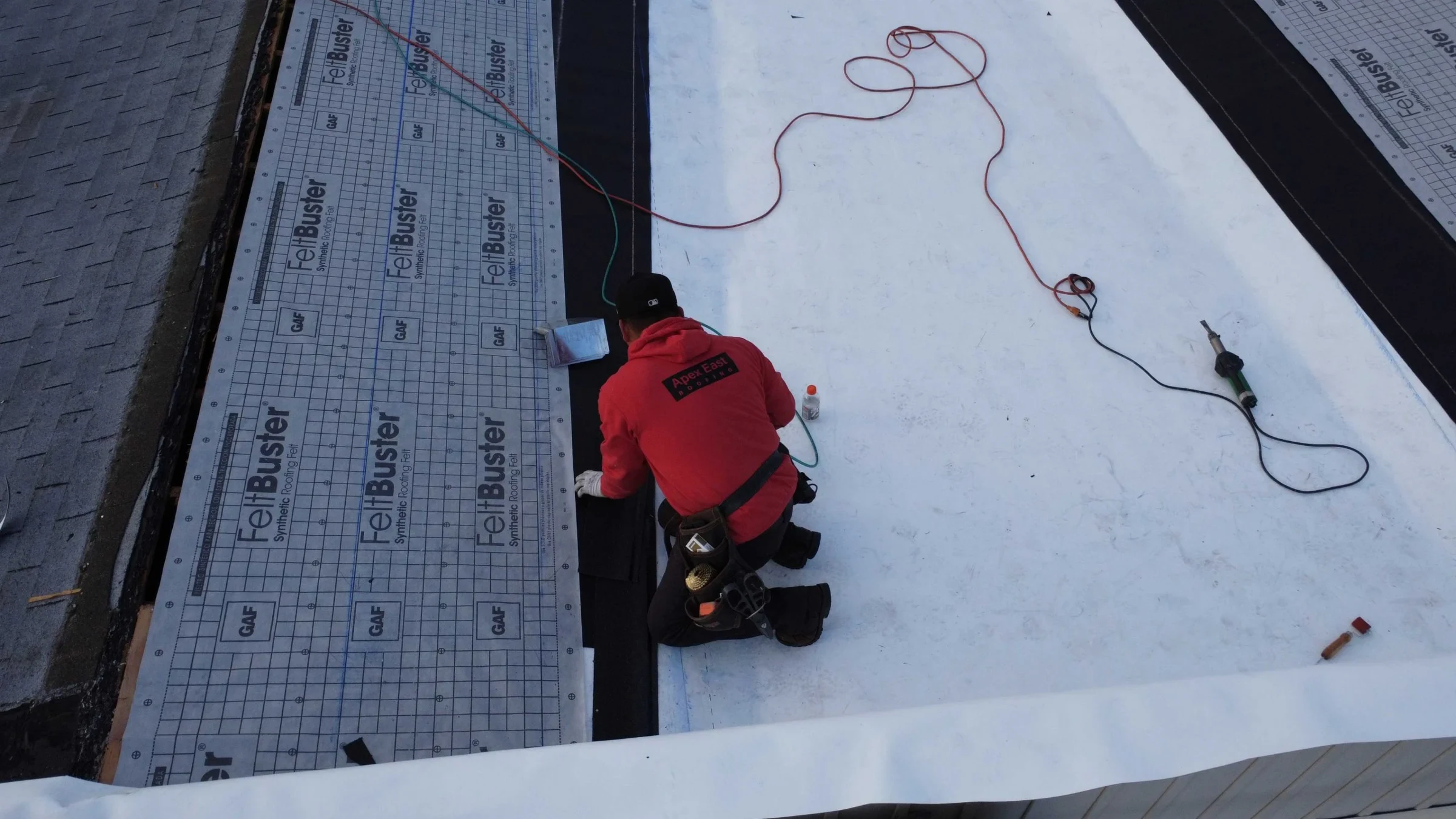
Fleece-backed membrane, which some Elevate products offer, adheres with a different method than standard membrane and can smooth out minor substrate irregularities on older decks. That's relevant on some of the older commercial buildings in Utah Valley where the original deck surface isn't perfectly flat, and it's a detail we check before specifying a fully adhered system.
- Black EPDM membrane for cold-flexibility priority roofs
- Reflective white TPO membrane for cooling-load priority roofs
- Silicone and acrylic restoration coatings
- Fleece-backed membrane options for uneven substrates
- Compatible insulation and edge-metal accessories
What We're Not Claiming, and Matching Products to a Roof
This page doesn't assert any specific Elevate authorized-contractor or preferred-installer status. Manufacturer programs and requirements change, and we'd confirm current status directly rather than represent it here. Our role is matching membrane type to building need and documenting installation against manufacturer specification.
A distribution building off I-15 with a large open field and minimal equipment penetrations has different needs than a medical office building with dense rooftop mechanical load. We walk the roof, check exposure and use, and then look at which manufacturer's specific product, EPDM, TPO, or a coating system, actually fits that building, rather than treating brand choice as the first decision.
Ownership Transition and Recover Systems for Aging Roofs
Manufacturer ownership changes can sometimes create confusion about which products are still supported or how warranty administration works going forward. Under Holcim, Elevate's core EPDM and TPO manufacturing has continued, and the product specifications we reference are the current published data rather than anything carried over from the earlier brand name without verification. We check current spec sheets and warranty terms directly rather than relying on older documentation that may not reflect the current ownership structure, since a warranty claim years down the line needs to match the program that's actually in effect at the time.
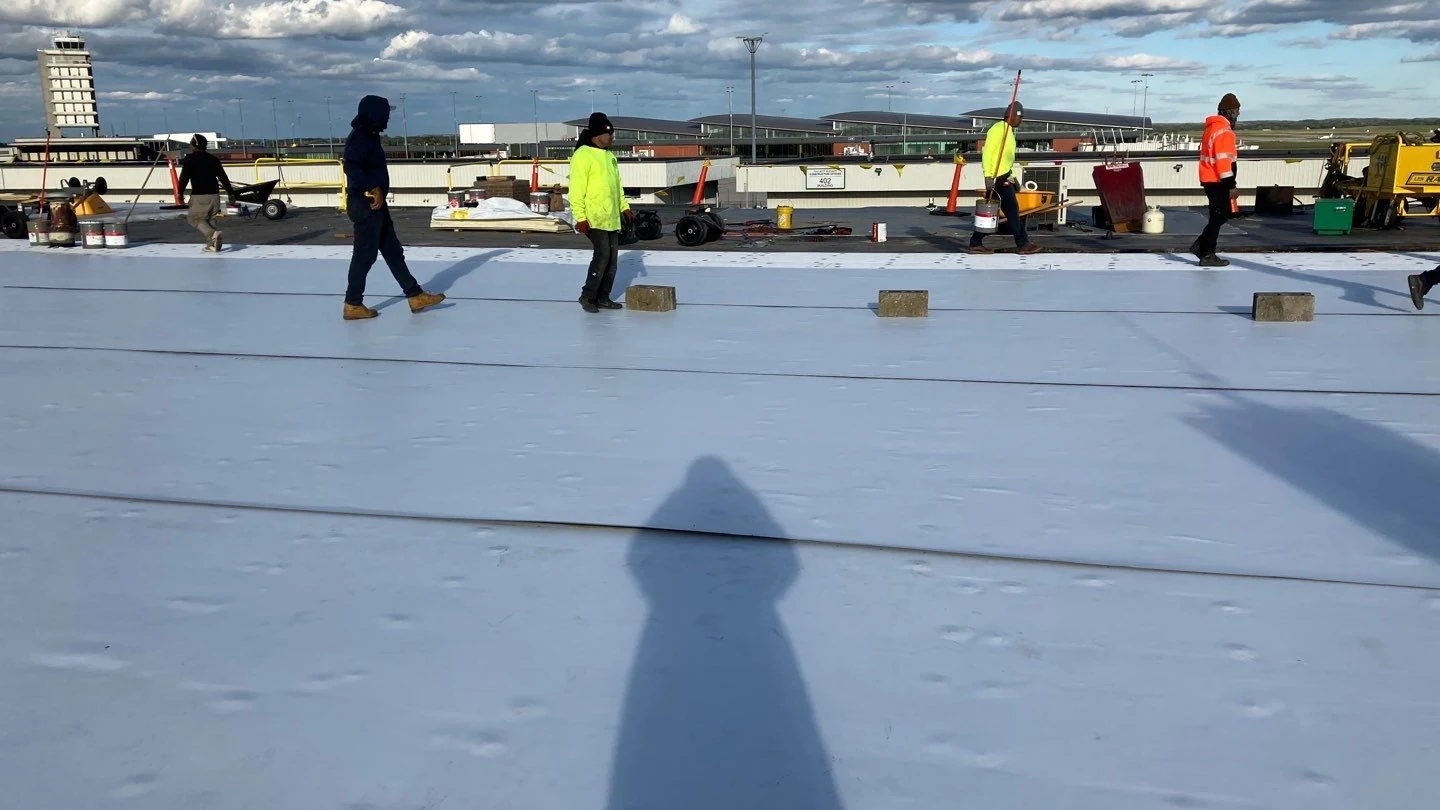
A lot of the older EPDM roofs around Utah Valley are approaching the point where a decision has to be made: recoat, recover, or replace. Elevate's recover board and adhesive systems let us install a new membrane layer directly over a sound existing EPDM roof in some cases, which can be more cost-effective than a full tear-off when the underlying insulation is still dry and performing. We check moisture content across the whole roof before recommending that path, since recovering over a wet substrate would just seal the problem in rather than solve it.
Questions About Holcim Elevate Products
Is Elevate the same company that used to be Firestone Building Products?
Yes, the commercial roofing division was rebranded under Holcim's ownership. The EPDM manufacturing history and product lineage carried forward into the new name.
Does black EPDM cost less than reflective TPO?
Generally, yes, per square foot, though the right comparison depends on the building's cooling load and whether reflectivity would meaningfully lower utility costs for that specific roof.
Can Elevate coating go over a different manufacturer's membrane?
Compatibility depends on the existing membrane type and condition. We test adhesion and check manufacturer compatibility guidance before recommending a coating over any existing surface.
How long does EPDM typically last before recoating or replacement is needed?
Service life depends on installation quality, maintenance, and exposure. We can review manufacturer-published service-life data for the specific product during an inspection rather than quote a number without seeing the roof.
Does fleece-backed membrane cost more than standard membrane?
Typically yes, but it can be worth it on a re-roof over an uneven substrate where standard membrane might telegraph deck irregularities or need additional prep work.