Versico Roofing Systems in Provo, UT
Commercial Roofing • Roofing Manufacturers • Provo,
Versico: A TPO-Heavy Line With Broad Accessory Support
Versico built its reputation primarily on TPO single-ply, and that focus shows in the depth of its TPO product range, thickness options, reflectivity grades, and fleece-backed variants, alongside a supporting catalog of insulation, fasteners, and coating products. On the office, retail, and flex-industrial roofs that make up most of what we install around Provo and Orem, Versico's TPO line covers a large share of what a standard re-roof or new-construction project actually needs, without requiring a switch to a different manufacturer for specialty accessories.
TPO Thickness and Reflectivity Range
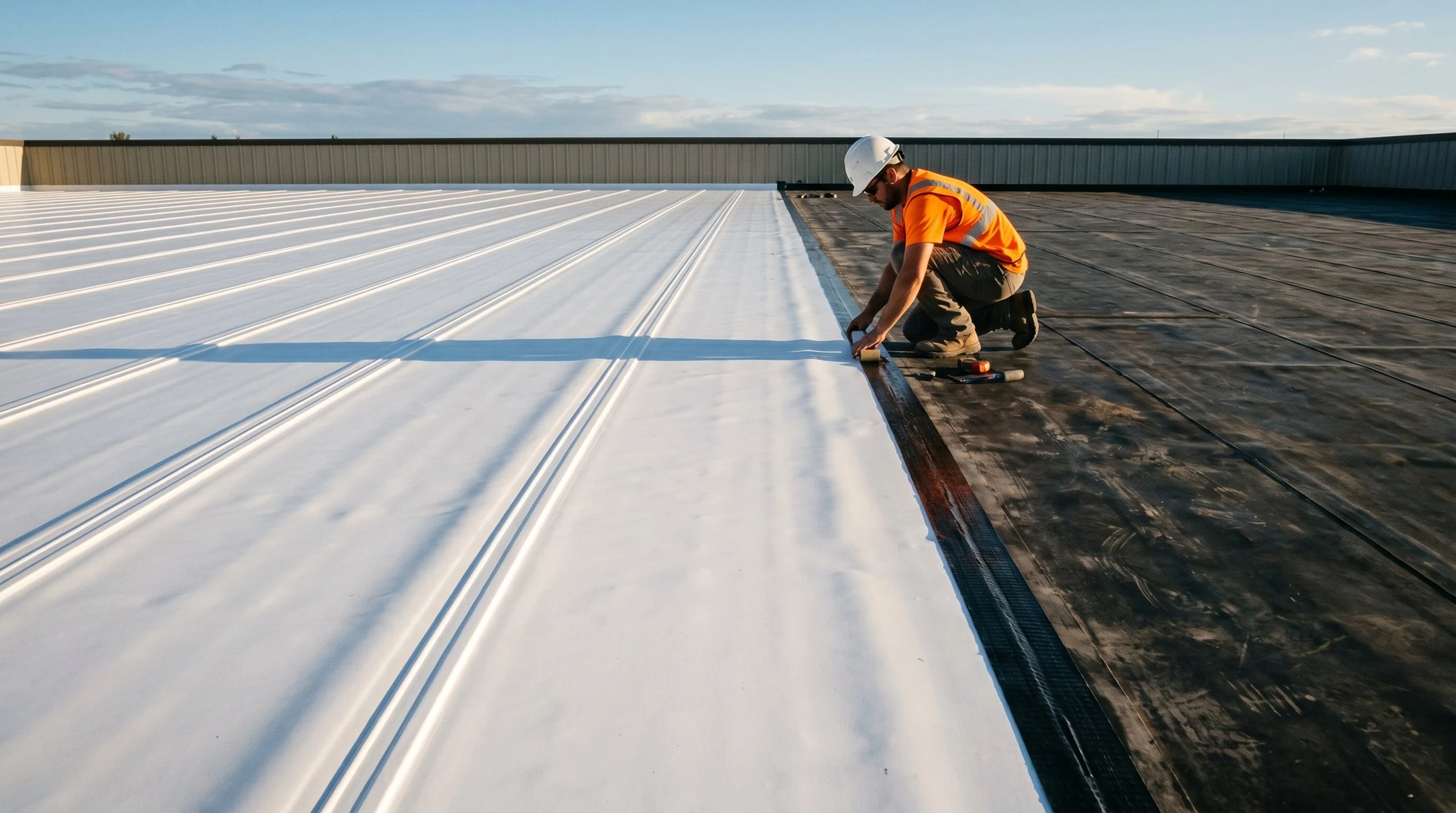
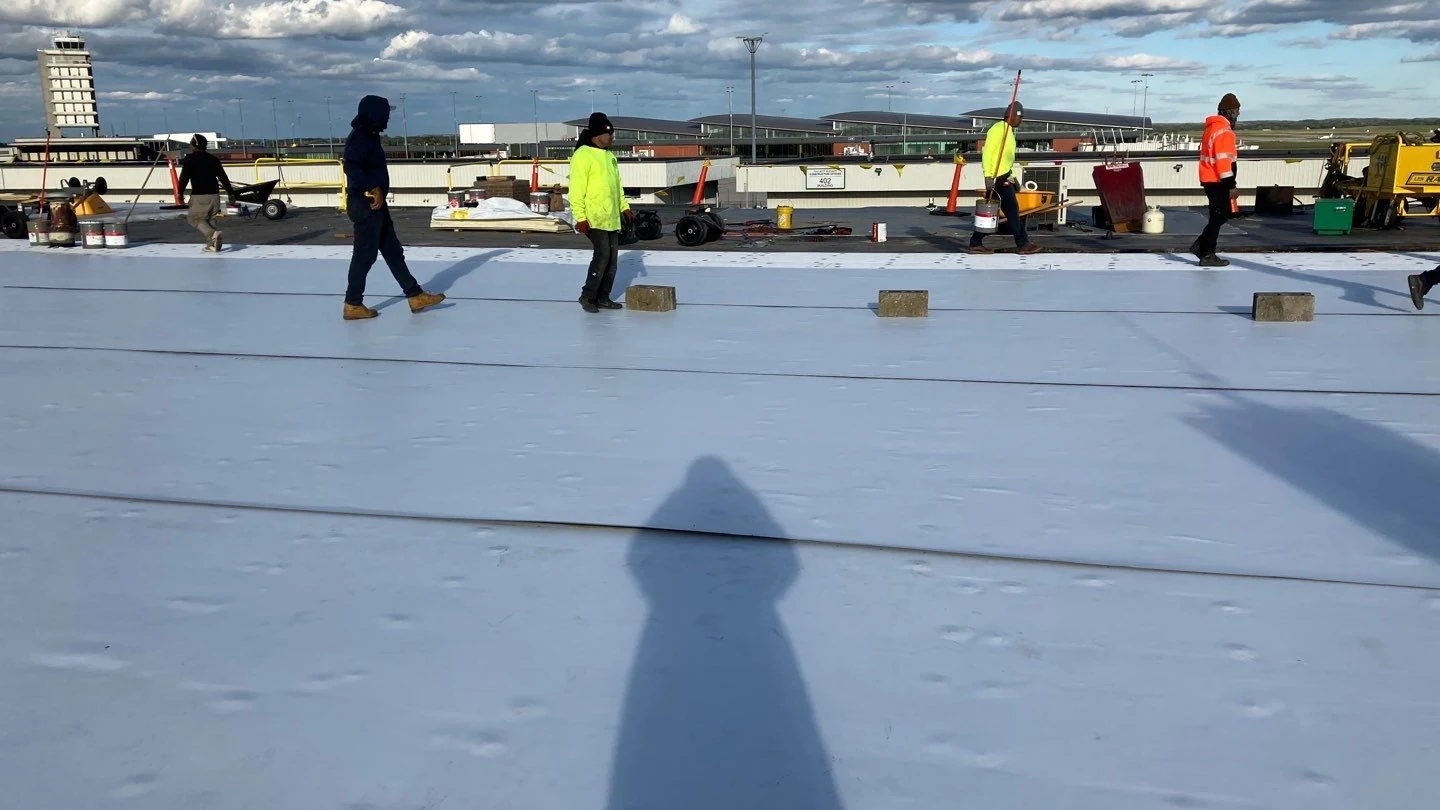
Versico's TPO comes in the standard 45 to 80-mil range, giving us options for everything from a straightforward office roof with light foot traffic to a heavier-duty install on a building with dense rooftop equipment. Reflective white is the default finish we spec on most projects here, since deck-temperature reduction directly affects HVAC run time on buildings with real cooling-load exposure, a growing share of the market given how much tech and office space is filling in around the Silicon Slopes corridor each construction season.
Fleece-Backed Membrane for Recover Projects
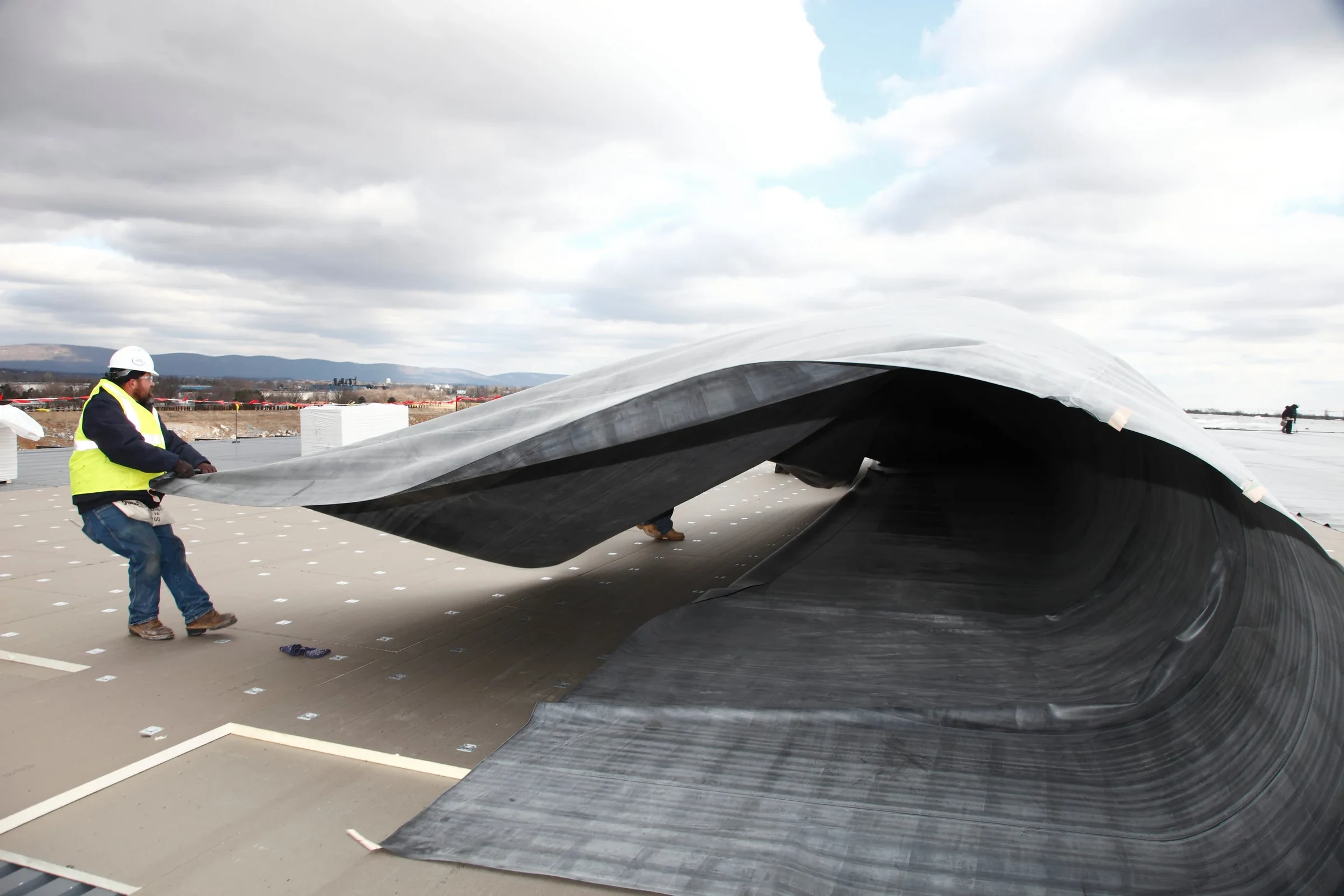
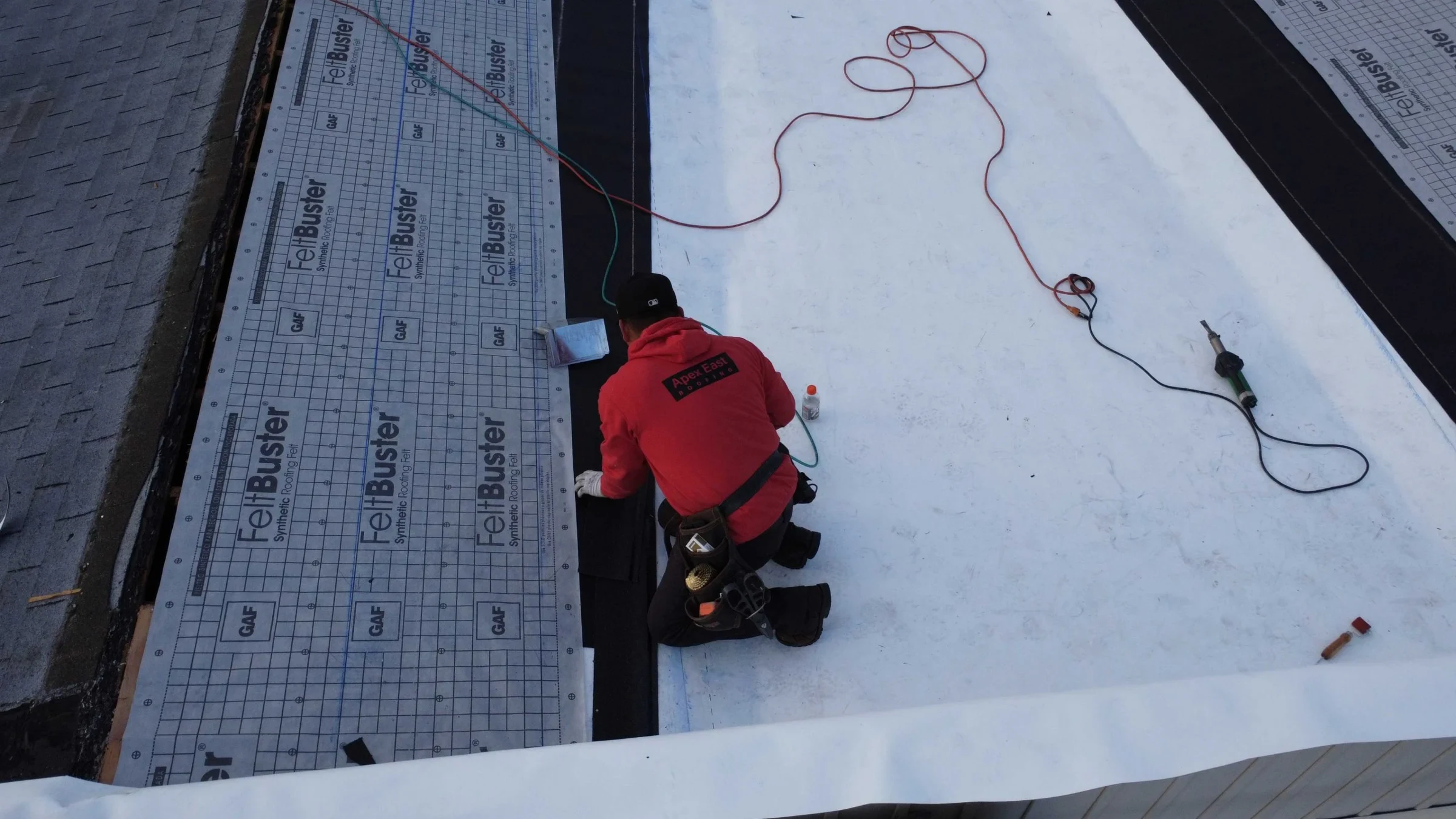
Versico's fleece-backed TPO option adheres differently than standard membrane and can smooth over minor substrate irregularities, which comes up on recover projects over older, slightly uneven decks. On a re-roof where tear-off isn't the right call, that flexibility in attachment method matters, and it's a detail we check against the existing roof condition before recommending a specific product variant.
Insulation and Fastening Accessories
Versico's insulation line and fastening accessory catalog let us source a matched system from one manufacturer on projects where that simplifies compatibility and warranty administration. We size insulation to the R-value target under Utah's adopted energy code, factoring in the roof's actual penetration count and drainage plan rather than a generic thickness pulled from a spec sheet.
Wind Uplift and Fastening Pattern
Versico publishes tested wind-uplift ratings for its fastening patterns, and we size the attachment method to the building's actual height and exposure category. That's not a formality here; the downslope wind events that funnel out of Provo Canyon onto the valley floor are strong enough to matter in the calculation, and an under-specified fastening pattern is where a membrane roof starts to fail in a wind event.
- TPO membrane in 45, 60, and 80-mil thickness
- Fleece-backed membrane for uneven substrate recover projects
- Polyiso insulation and cover board products
- Mechanically fastened and fully adhered attachment options
- Tested wind-uplift fastening patterns
No Program Status Represented on This Page
We're not claiming any specific Versico authorized-contractor level here. Manufacturer program requirements are set independently and should be confirmed directly for a given project. Our part is installing to manufacturer specification and documenting the work, moisture scans, seam probes, photos, so the record supports any warranty question down the line.
Matching Versico's TPO Line to the Building
A retail box along State Street, a distribution building off I-15, and a medical office with dense rooftop mechanical equipment all draw on different parts of Versico's catalog, different thickness, different attachment method, different insulation package. We start with the building's use and exposure and work from there, rather than defaulting to one standard spec across every project.
Versico operates a network of contractor programs with different membership tiers, and those tiers affect things like warranty length and material pricing rather than installation quality itself. We're not representing a specific tier or membership status on this page. What matters more to an owner day to day is whether the installing crew follows manufacturer specification closely enough that a warranty claim, if one is ever needed, has clean documentation behind it, moisture scans, seam probes, and photo records taken throughout the job rather than assembled after the fact.
Versico's TPO generally prices competitively against other major manufacturers' TPO lines, which is part of why it comes up often on cost-sensitive projects, retail strip centers and flex-industrial buildings where the owner is weighing membrane performance directly against installed cost per square foot. We present that cost comparison alongside the performance data rather than treating price as a separate conversation from the spec itself, since the two decisions are really the same decision viewed from different angles.
Common Questions About Versico Products
Is Versico TPO comparable in performance to other major manufacturers?
Reflectivity and thickness options are broadly similar across major TPO manufacturers. We compare specific published data and warranty terms for the project rather than assuming one brand is automatically the better fit.
Does fleece-backed TPO cost more than standard membrane?
Yes, typically, but it can be worth it on a recover project over a substrate that isn't perfectly flat, since it reduces the risk of the membrane telegraphing minor deck irregularities.
How does Versico TPO perform through Provo's freeze-thaw cycling?
Heat-welded seams are a continuous polymer bond that doesn't rely on an adhesive layer, which holds up well through repeated freezing and thawing regardless of manufacturer, provided the weld quality is sound.
Can Versico TPO go over an existing modified bitumen roof?
Sometimes, with the right cover board or separator layer and a dry, sound existing deck. We check moisture content across the roof before recommending recover over tear-off.
What voids most TPO warranties, regardless of manufacturer?
Unapproved rooftop penetrations added after installation are the most common cause we see. Any future rooftop work, signage, conduit runs, equipment swaps, or solar array installation, should route through the roofing contractor first rather than being handled by an outside trade unfamiliar with the membrane system.