EPDM White in Provo, UT
Commercial Roofing • Roof Systems • Provo,
White EPDM for Owners Who Want Rubber's Flexibility With a Reflective Surface
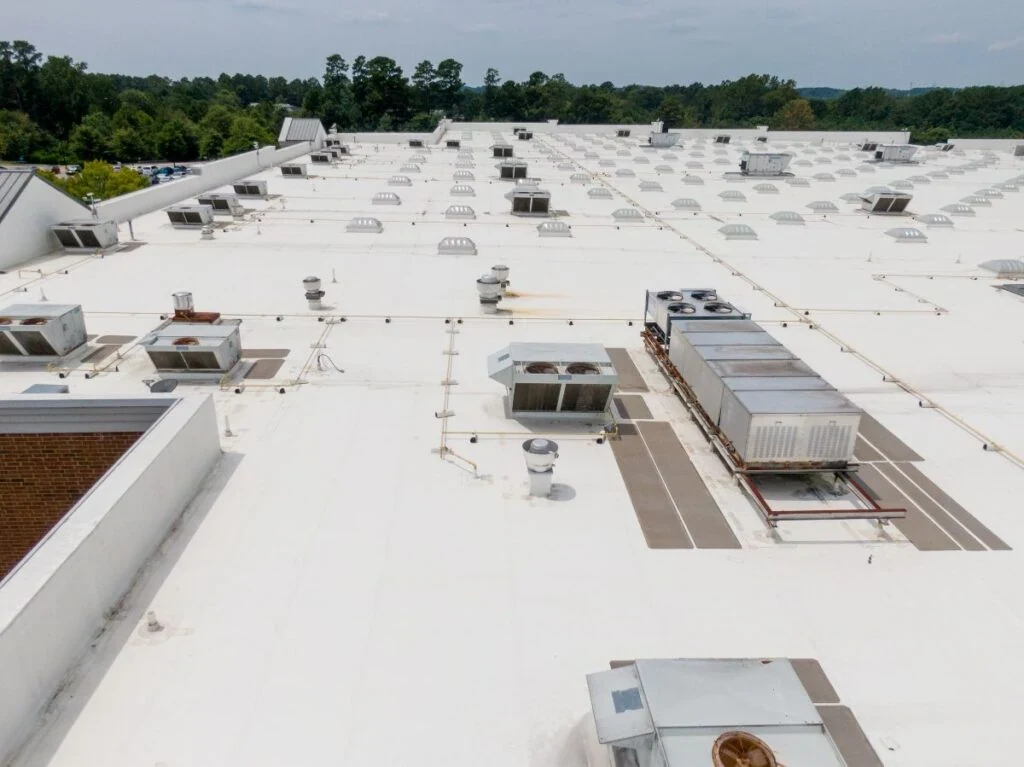
White EPDM solves a specific problem: it keeps the flexibility and long field history of rubber roofing while giving up the heat-absorbing surface that standard black EPDM carries. For Utah Valley buildings chasing a lower cooling load without switching to a thermoplastic membrane, it's the middle option worth knowing about.
How the White Surface Is Built
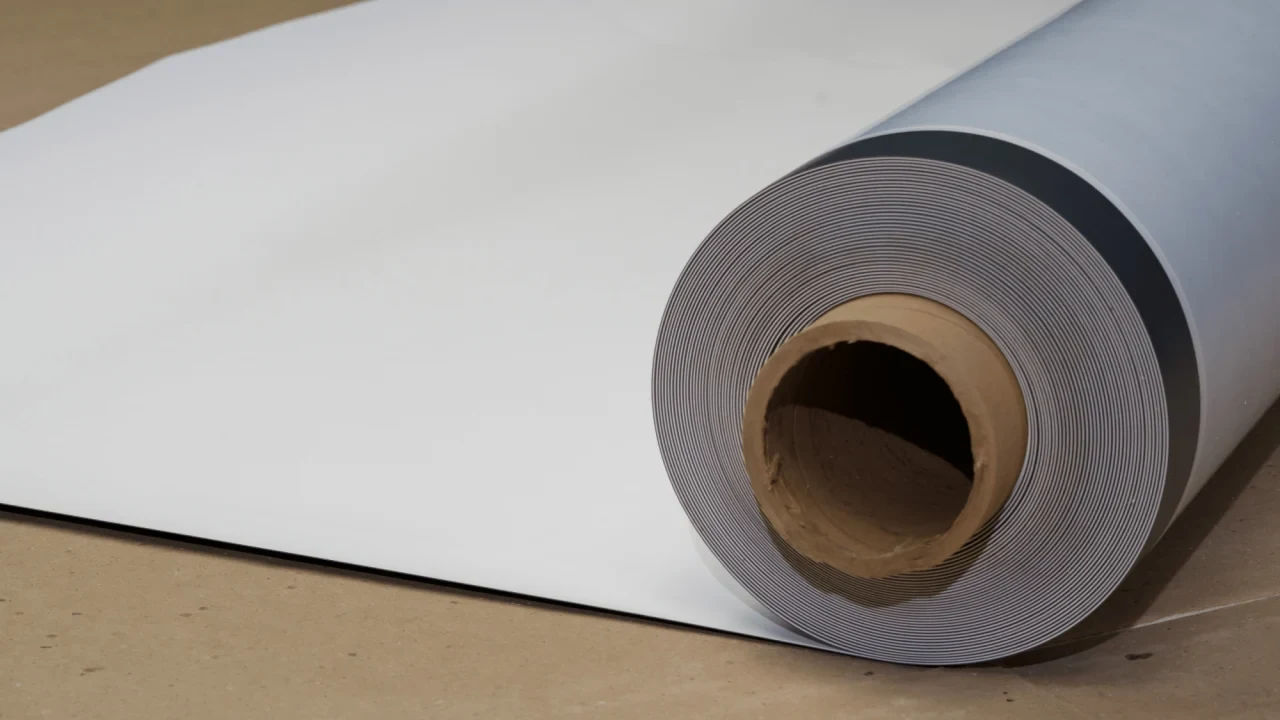
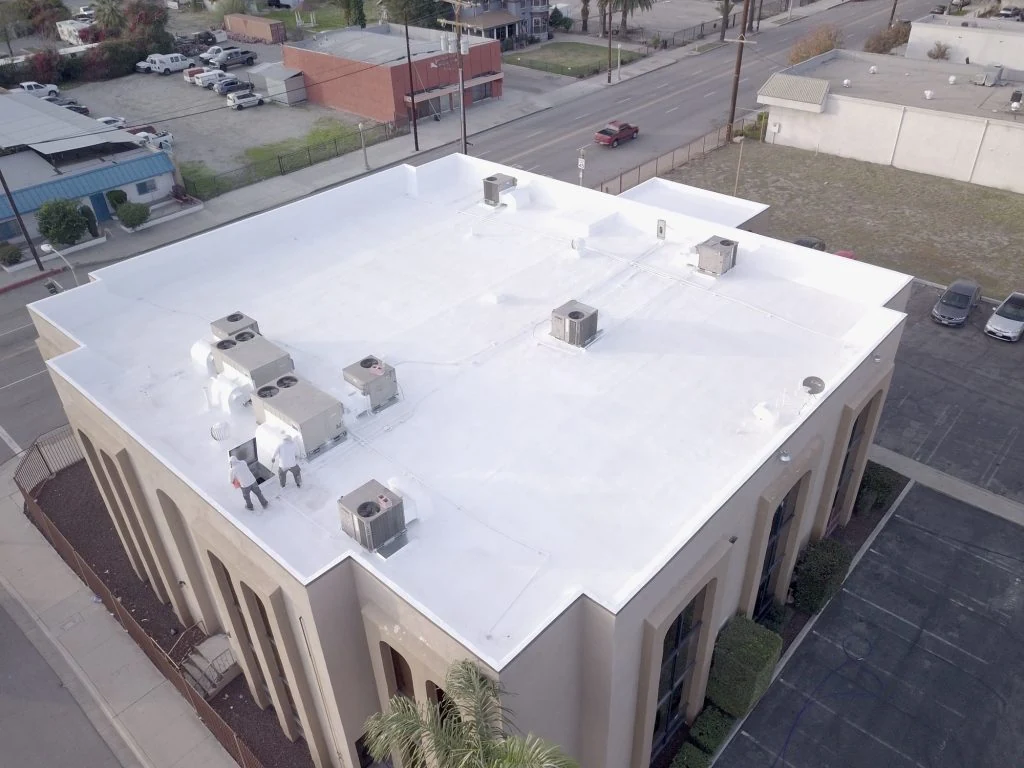
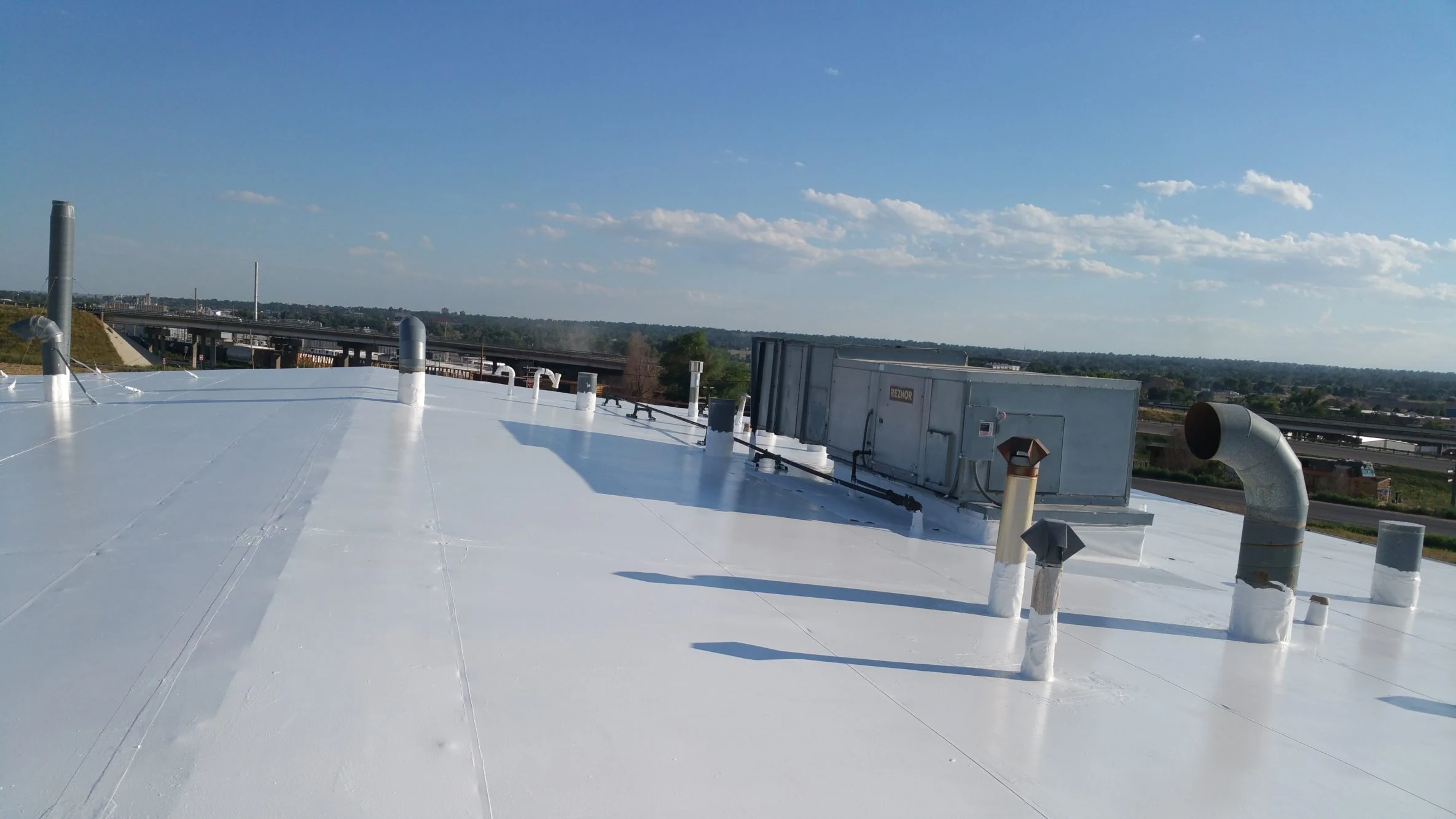
White EPDM isn't a different rubber compound so much as a laminate , a reflective white coating or film applied to the same EPDM sheet used in black membrane. That means the underlying material properties, flexibility across temperature swings and long-term elongation, stay the same as black EPDM. What changes is solar absorption at the surface, which drops considerably compared to standard black membrane.
Because the reflective layer is a surface treatment rather than a change to the rubber itself, its long-term reflectivity can decline faster than a true thermoplastic membrane's if dirt and biological growth build up on the surface. Periodic washing keeps the reflective benefit intact longer than owners often expect.
Meeting Utah's Energy Code on a Rubber Roof
Utah's adopted energy code sets minimum reflectivity and insulation performance for new low-slope commercial roofs in certain applications, and white EPDM gives project teams a way to meet those cool-roof expectations without switching a design that's already designed around EPDM's detailing and attachment methods. That matters most on renovation and addition projects where matching an existing EPDM roof section is part of the scope.
We check the specific code requirement for each project rather than assuming reflectivity thresholds are the same everywhere in the valley, since requirements can vary by building type and jurisdiction.
Where White EPDM Beats a Thermoplastic Alternative
On buildings with a lot of existing EPDM detailing already in place , pitch pans, flashings, penetrations designed around rubber's flexibility characteristics , white EPDM lets a re-roof or addition match the existing system's behavior instead of introducing a different membrane chemistry with different movement and seaming requirements. Mixed systems on one roof create long-term maintenance confusion, so consistency has real value.
It also holds up well on roofs with unusual geometry or a lot of curbs and equipment, where EPDM's flexibility around irregular flashing details is worth more than a thermoplastic's weldable-seam advantage.
- Additions and re-roofs matching an existing black or white EPDM system
- Buildings needing cool-roof compliance without changing membrane chemistry
- Roofs with heavy structural movement where rubber's elongation matters
- Properties in a maintenance program already set up around EPDM seam inspection
- Owners prioritizing HVAC load reduction on an otherwise standard rubber spec
Maintenance Realities That Affect the Energy Benefit
A white EPDM roof's reflectivity fades over time from UV exposure, dirt accumulation, and biological growth, faster in some cases than a thermoplastic membrane's surface does. Provo's high-altitude UV exposure accelerates that surface aging somewhat compared to lower-elevation sites. Owners who want the reflectivity benefit to last need to budget for periodic cleaning as part of a normal maintenance program, not treat it as a one-time install decision.
We flag this during the proposal stage because the reflectivity math used to justify white membrane over black assumes reasonably maintained surface performance, not day-one specs held constant for twenty years.
Seaming and Attachment: Same Rules as Black EPDM
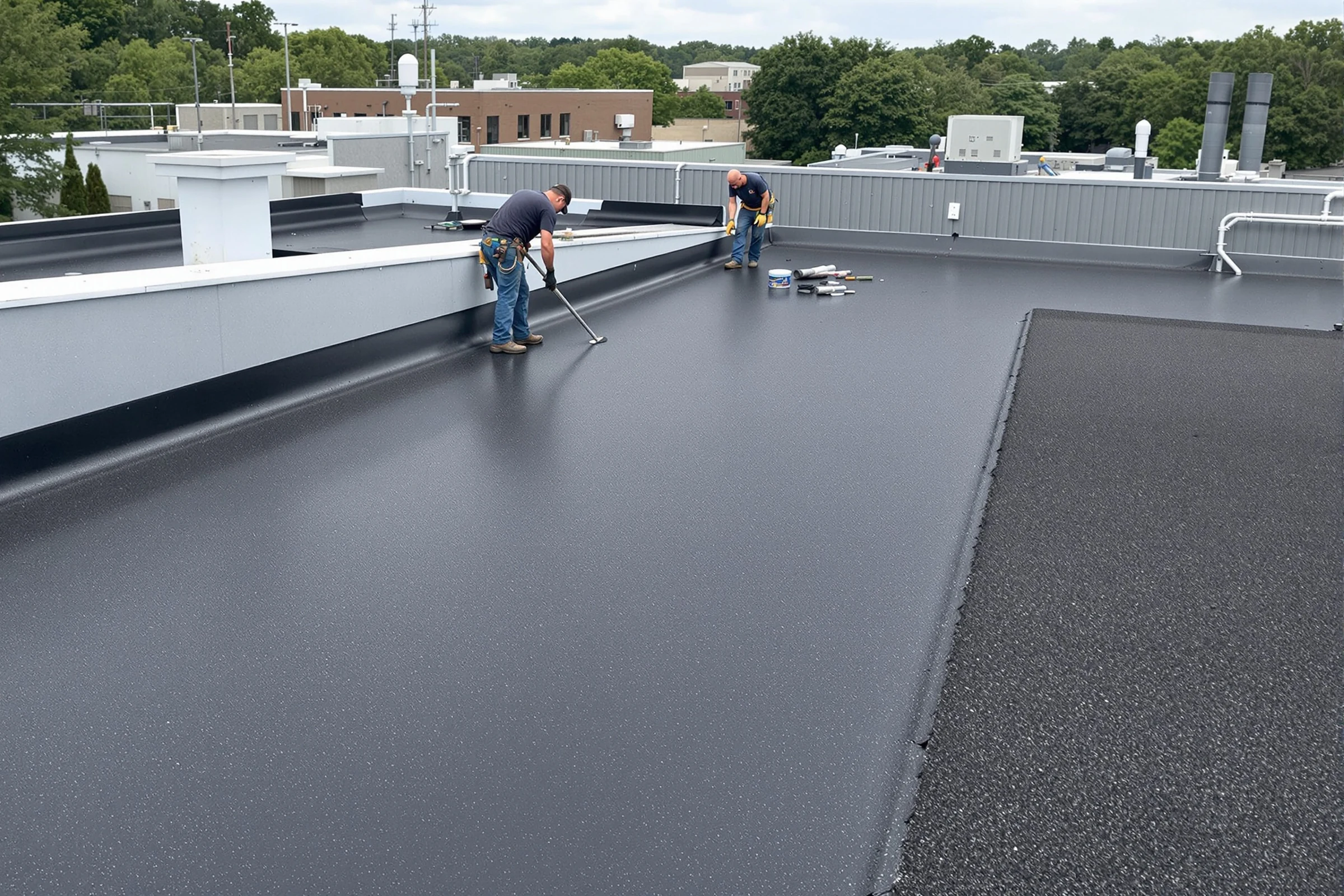
Seam quality remains the main long-term risk factor with white EPDM, exactly as it is with black. The coating doesn't change how the seams are bonded or how much surface prep and roller pressure the install crew needs to apply. We hold white EPDM installs to the same seam-inspection standard as any other EPDM job.
Comparing the Real Cost of Ownership, Not simply the Install Quote
Owners comparing white EPDM to white TPO on price alone are usually only looking at the install invoice. The longer-term comparison includes reflectivity retention over time, expected seam maintenance, and how the roof will need to be serviced ten or fifteen years in. We lay out both systems side by side with those factors included rather than just handing over two numbers and letting price alone decide.
For a straightforward rectangular roof with a simple mechanical layout, either membrane can be the right call. The deciding factor usually comes down to whether the project is matching existing EPDM detailing already on the building or starting from a clean slate where either chemistry is equally viable.
Questions Owners Ask About White EPDM
Does white EPDM cost more than black EPDM?
There's typically a material premium for the reflective laminate. We quote both so owners can weigh the energy-cost trade-off against the upfront difference for their specific building.
Will the white surface stay reflective without maintenance?
Reflectivity declines over time without periodic cleaning. Dirt and biological growth on a flat roof surface reduce the cooling benefit faster than most owners expect.
Can black EPDM be converted to white later?
A reflective coating can sometimes be applied over existing sound EPDM to improve surface reflectivity without a full membrane replacement, depending on the membrane's condition.
Is white EPDM as durable as black EPDM structurally?
The base rubber sheet is the same material either way; the coating is a surface layer and doesn't change the membrane's underlying flexibility or elongation properties.
Does white EPDM meet the same wind-uplift ratings as black EPDM?
Wind-uplift rating depends on the full assembly , deck, insulation, and fastening pattern , rather than membrane color, so both perform the same in that respect when installed to the same system spec.