TPO 80 Mil in Provo, UT
Commercial Roofing • Roof Systems • Provo,
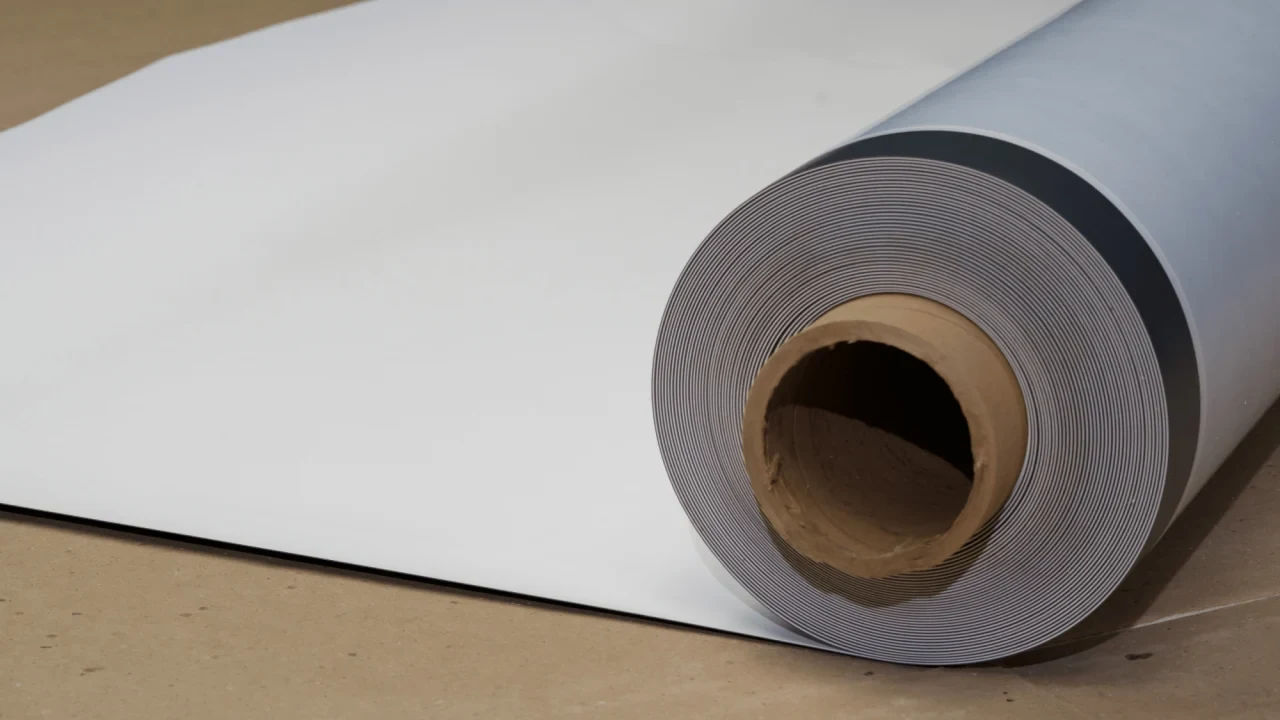
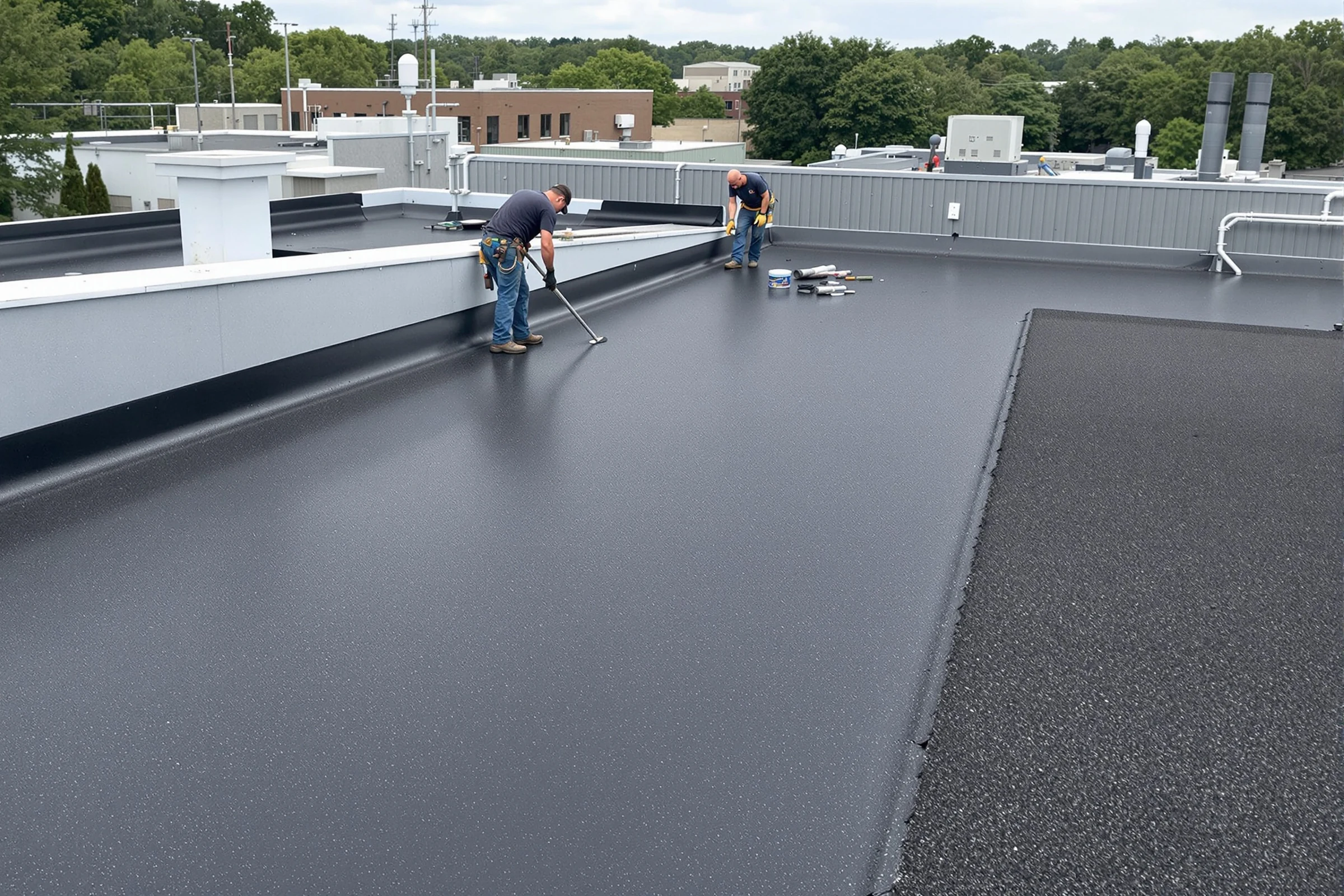
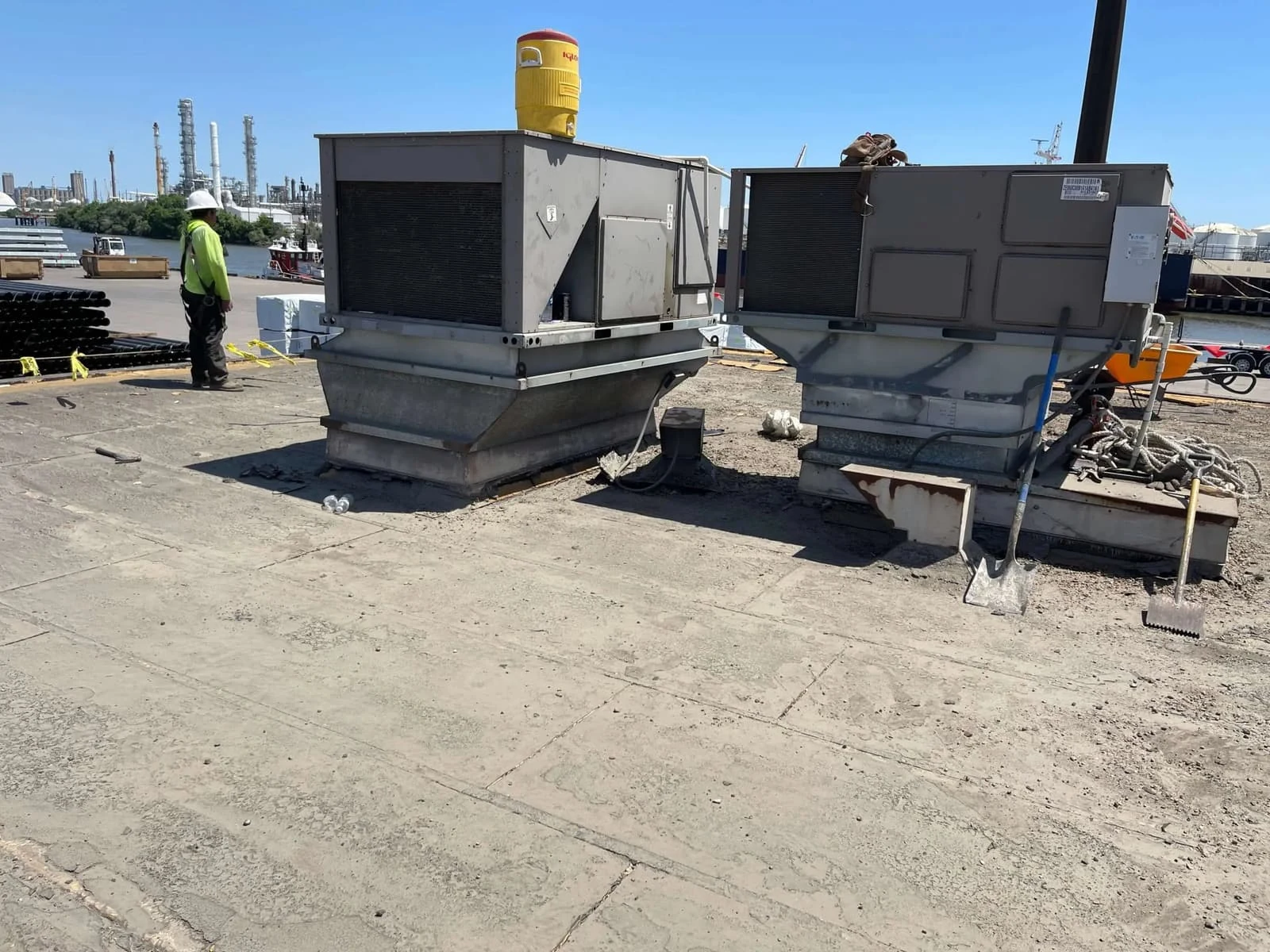
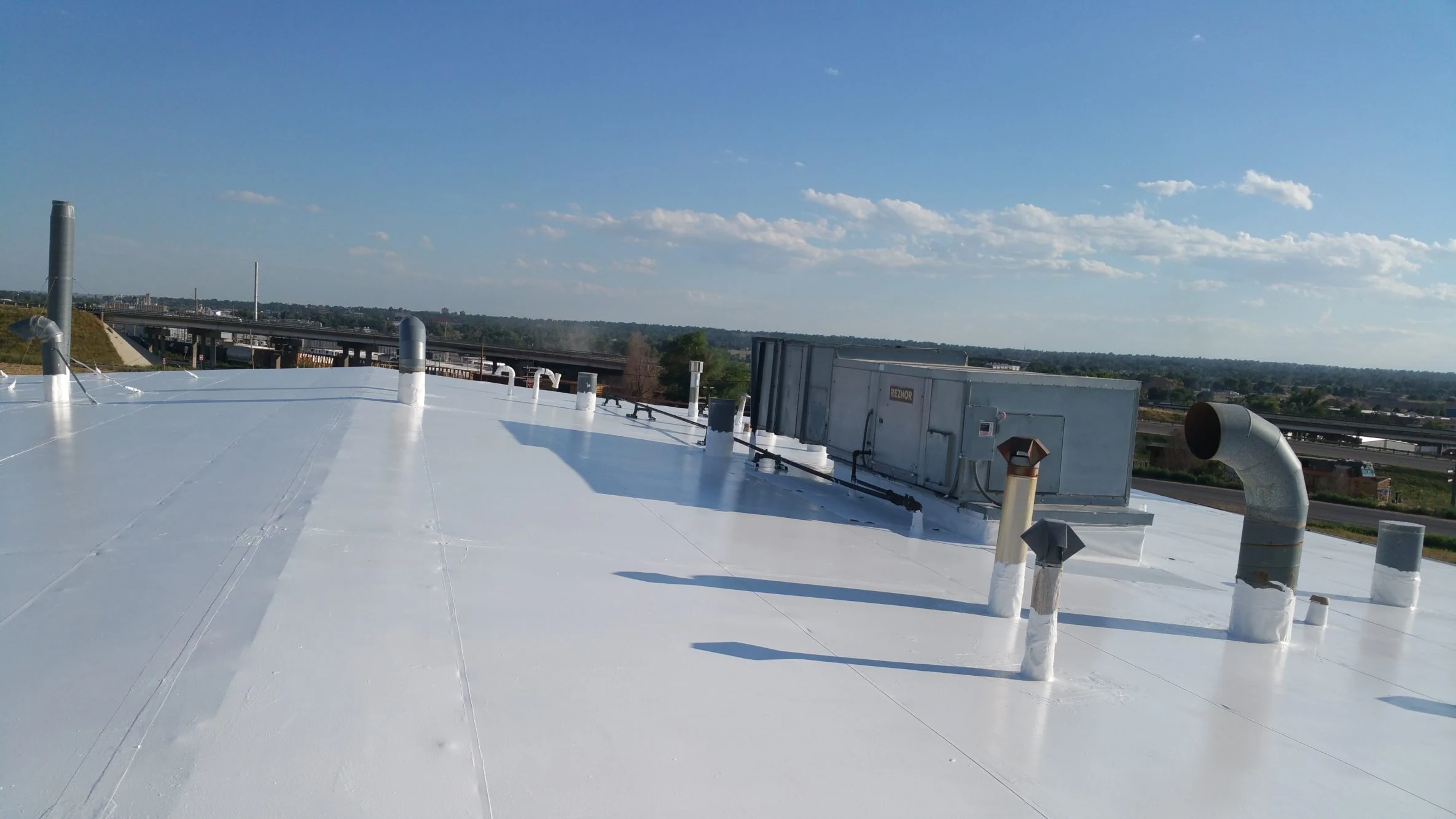
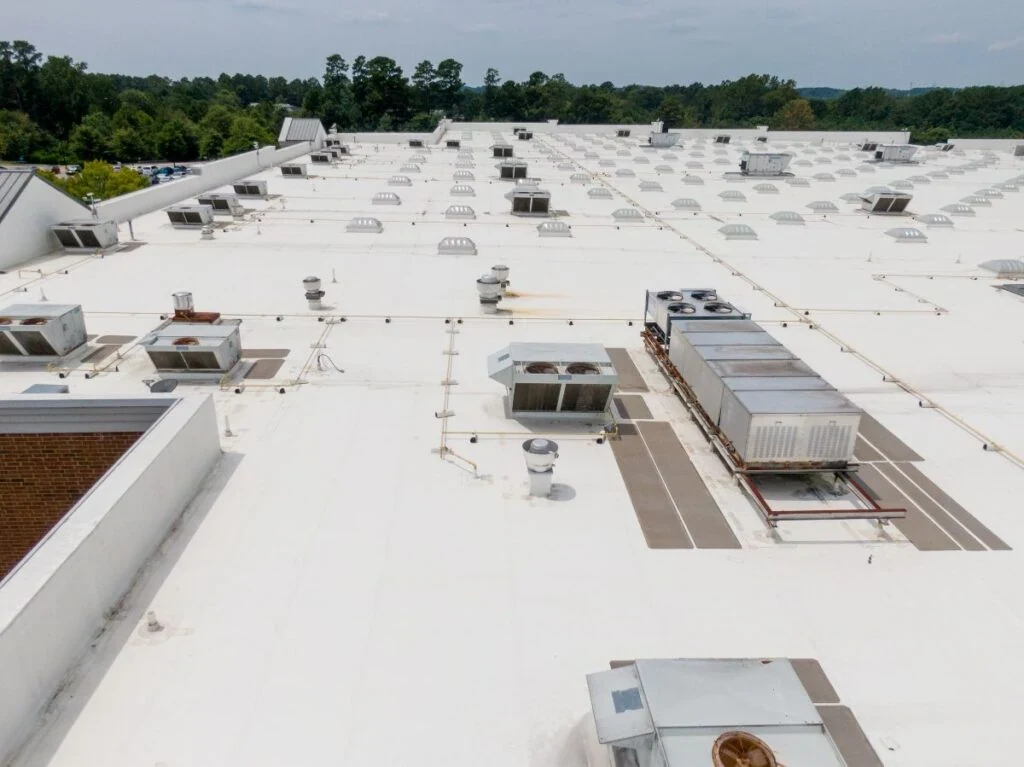
When a Provo Roof Needs the Heavier 80-Mil TPO Membrane
Some roofs in Utah Valley take more abuse than a standard office building ever will: rooftop solar arrays, dense mechanical equipment, or a wind-exposure rating that pushes past what 60-mil membrane comfortably handles. That's where 80-mil TPO earns its cost premium.
The 20-Mil Difference: Puncture and Impact Resistance
Membrane thickness translates fairly directly into puncture resistance. An extra 20 mils of polymer doesn't sound like much, but it's the difference between a dropped tool denting the surface and one that punches through to the insulation below. On roofs that see regular technician traffic , solar maintenance, chiller service, telecom equipment access , that margin adds up over years of use.
Hail is the other driver. Utah Valley gets summer thunderstorm cells capable of producing hail, and while any TPO membrane can take a hit, 80 mil holds up to a wider range of impact energy before the surface splits. Owners who've already paid for one hail-driven re-roof tend to ask about the thicker membrane on the next one.
Wind Uplift on Exposed and Elevated Buildings
Provo Canyon and Rock Canyon both funnel strong downslope wind events onto the valley floor in the cooler months, and taller buildings or roofs with a lot of parapet and equipment edge exposure see uplift forces that a standard membrane spec can underestimate. Wind-uplift rating isn't really a property of the membrane alone , it's a system rating that includes the fastening pattern, insulation, and deck , but a heavier membrane gives the whole assembly more margin before a fastener pattern needs to go denser than the budget wants.
We run the uplift calculation off the building's actual height, parapet height, and exposure category rather than assuming every flat roof in the valley needs the same fastening density. A single-story warehouse tucked behind other buildings sees different wind loading than a freestanding building near open ground.
Rooftop Solar and Mechanical-Heavy Roofs
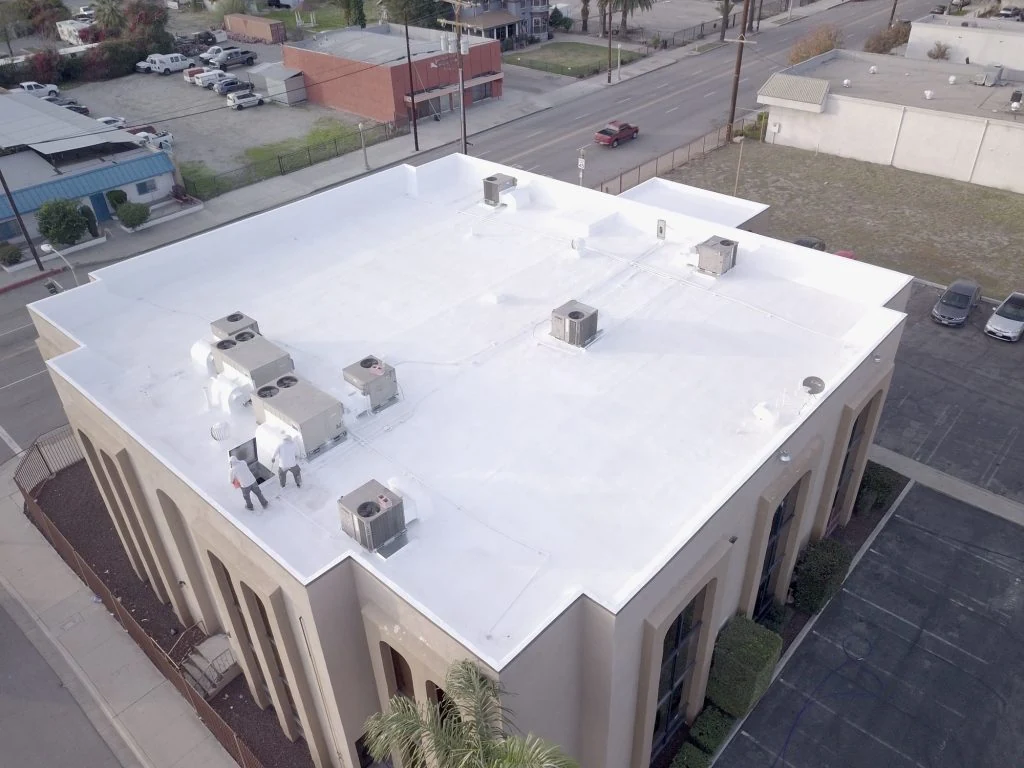
Solar adoption on commercial roofs has picked up around Utah Valley as more owners chase lower utility bills, and a solar array changes how a roof gets used for the next 20-plus years. Installers walk the array regularly for cleaning and repair, mounting hardware penetrates or ballasts against the membrane, and any membrane repair later has to happen around fixed panels. Eighty-mil TPO gives that kind of roof more working margin against the wear a lighter membrane would show faster.
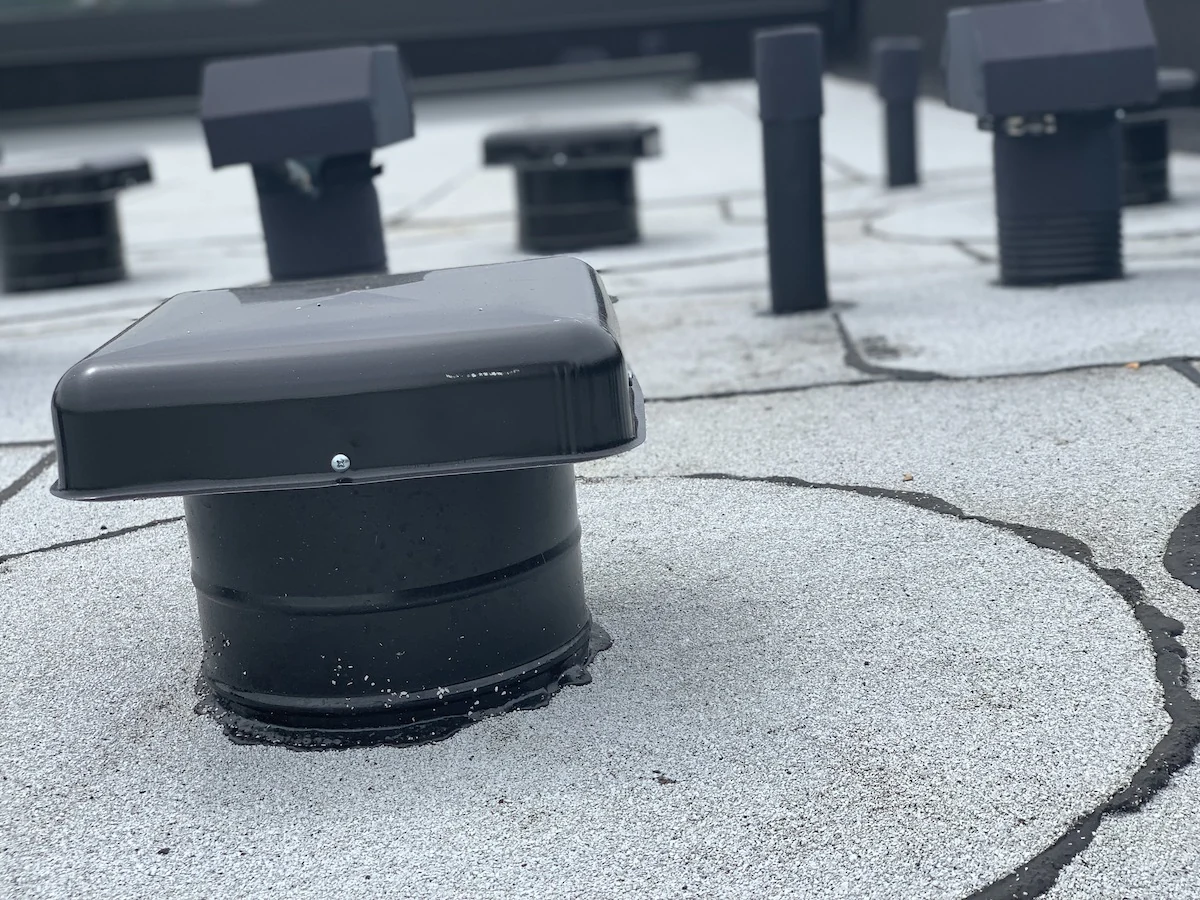
The same logic applies to roofs carrying heavy mechanical loads , large air handlers, multiple condenser banks, or a data center's redundant cooling equipment. More hardware on the roof means more foot traffic and more opportunities for accidental damage during service calls.
Where we typically spec 80 mil over 60 mil
- Roofs carrying or planned to carry a rooftop solar array
- Buildings with elevated wind exposure , tall, isolated, or near canyon mouths
- Data center and server-heavy office roofs with dense mechanical equipment
- Roofs with a documented history of hail-driven membrane failure
- Facilities where roof access happens weekly rather than a few times a year
Energy Performance Doesn't Change, Only the Thickness
The reflectivity and insulation math underneath an 80-mil roof works the same as it does for 60 mil , a white membrane still cuts HVAC load compared to a dark surface, and the insulation package still gets sized to the code's R-value target. Thickness is about physical durability, not thermal performance. Owners sometimes assume the heavier membrane runs cooler or insulates better on its own, and it doesn't; that work happens in the insulation layer below the membrane.
What does change is the seam weld itself. Thicker membrane holds heat differently during hot-air welding, so crews need to adjust weld speed and temperature compared to a 60-mil job. We only use installers who've run 80-mil welds regularly, not crews adapting on the fly.
What We Check Before Recommending the Upgrade
Not every roof needs 80 mil, and we don't quote it as an upsell. We look at exposure category, existing equipment load, any documented hail or wind history at the property, and planned future use , solar, added mechanical, expanded rooftop access , before recommending the heavier membrane over the standard thickness.
Cost is part of that conversation too. On a straightforward single-story building with light equipment loads and no solar plans, we'll usually recommend staying with 60 mil and putting the savings toward better insulation instead, since insulation upgrades tend to move the utility bill more than membrane thickness does.
Common Questions About 80-Mil TPO
Does 80-mil TPO cost significantly more than 60 mil?
There's a real material cost difference, plus sometimes a labor adjustment for weld settings. We quote both thicknesses side by side so owners can weigh the difference against their specific exposure and use case.
Will 80-mil membrane stop hail damage entirely?
No membrane is hail-proof. Thicker membrane raises the impact threshold before damage occurs, but severe hail can still cause splits or bruising that needs repair.
Is 80 mil required for solar-ready roofs?
It's not a code requirement, but it's what we recommend given the added foot traffic and mounting hardware a solar installation brings to a roof over its life.
Can an existing 60-mil roof be recovered with 80-mil membrane later?
Sometimes, depending on the condition of the existing membrane and insulation. We'd need to inspect the roof to confirm it's a candidate for recover rather than full tear-off.
Does the heavier membrane change the warranty length?
Warranty terms come from the manufacturer and depend on the specific system and installer certification tier at the time of install, not from us. We can walk through the manufacturer's published warranty options during a quote.
Ready to review the roof scope?
Request a Roof Assessment