
HOME    Commercial Roofing Services    Emergency Roof Tarp & Dry-In in Provo, UT

Emergency Roof Tarp & Dry-In in Provo, UT


Commercial Roofing • Commercial Roofing Services • Provo,
Emergency Roof Tarp & Dry-In in Provo, UT
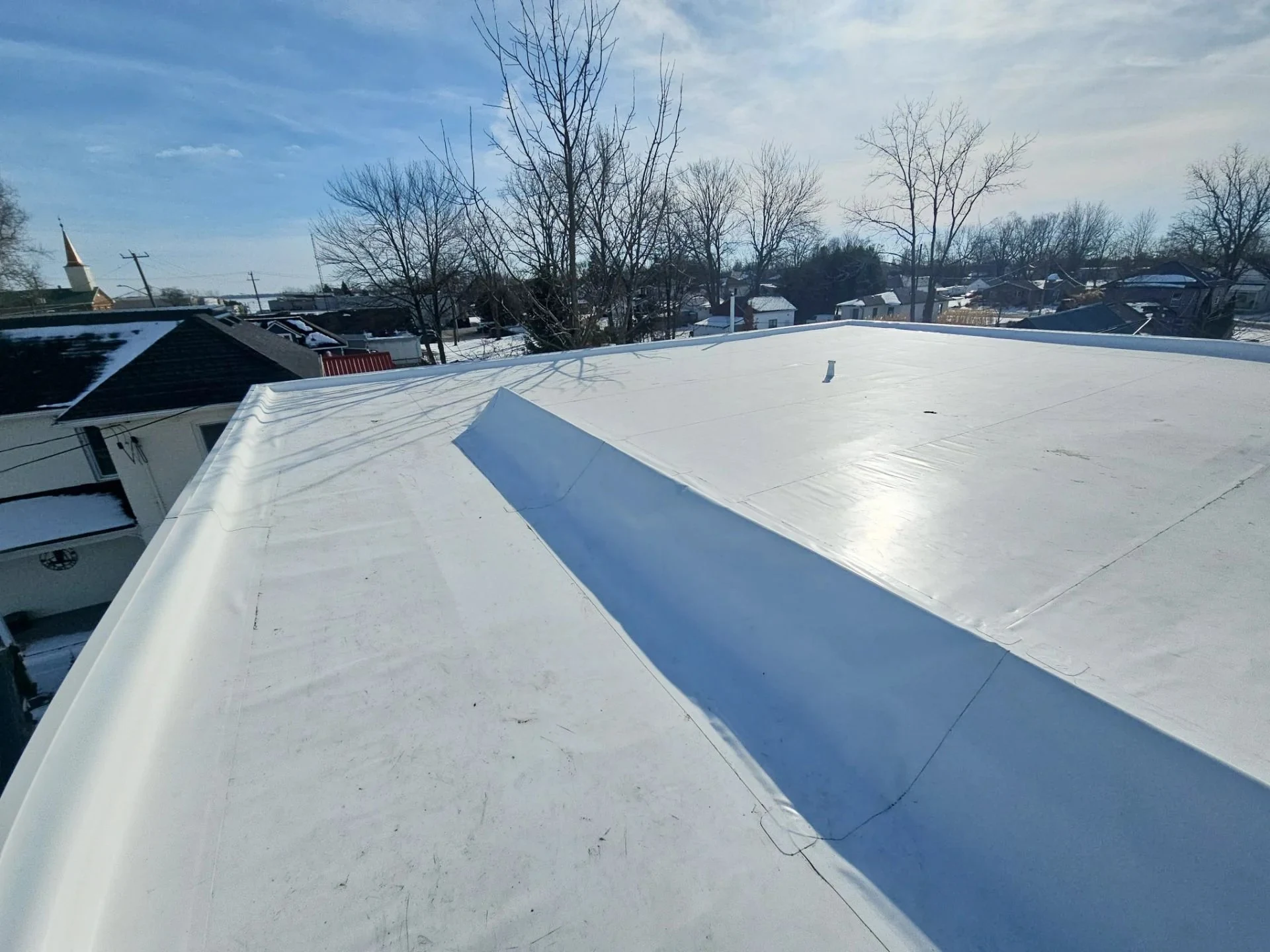
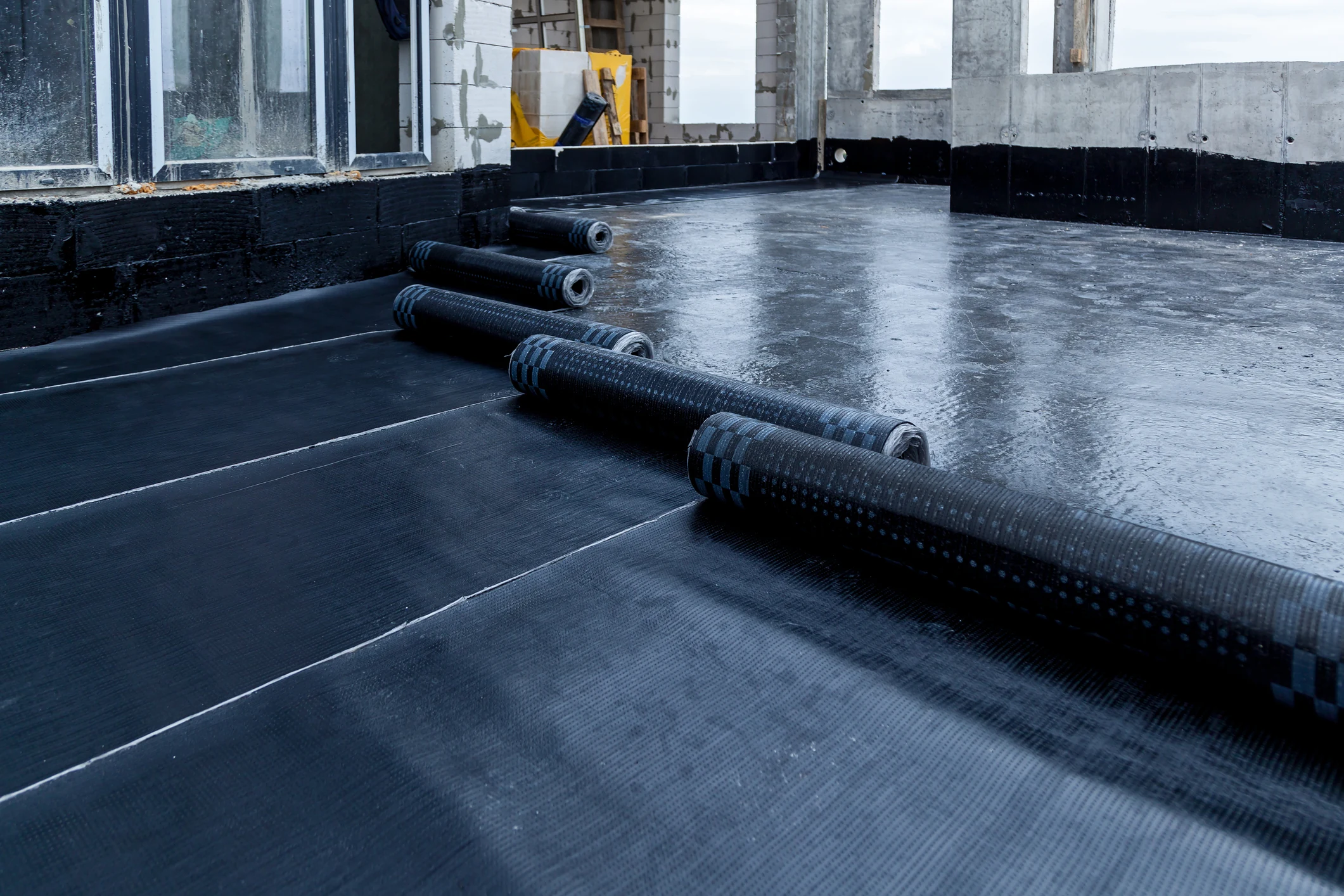
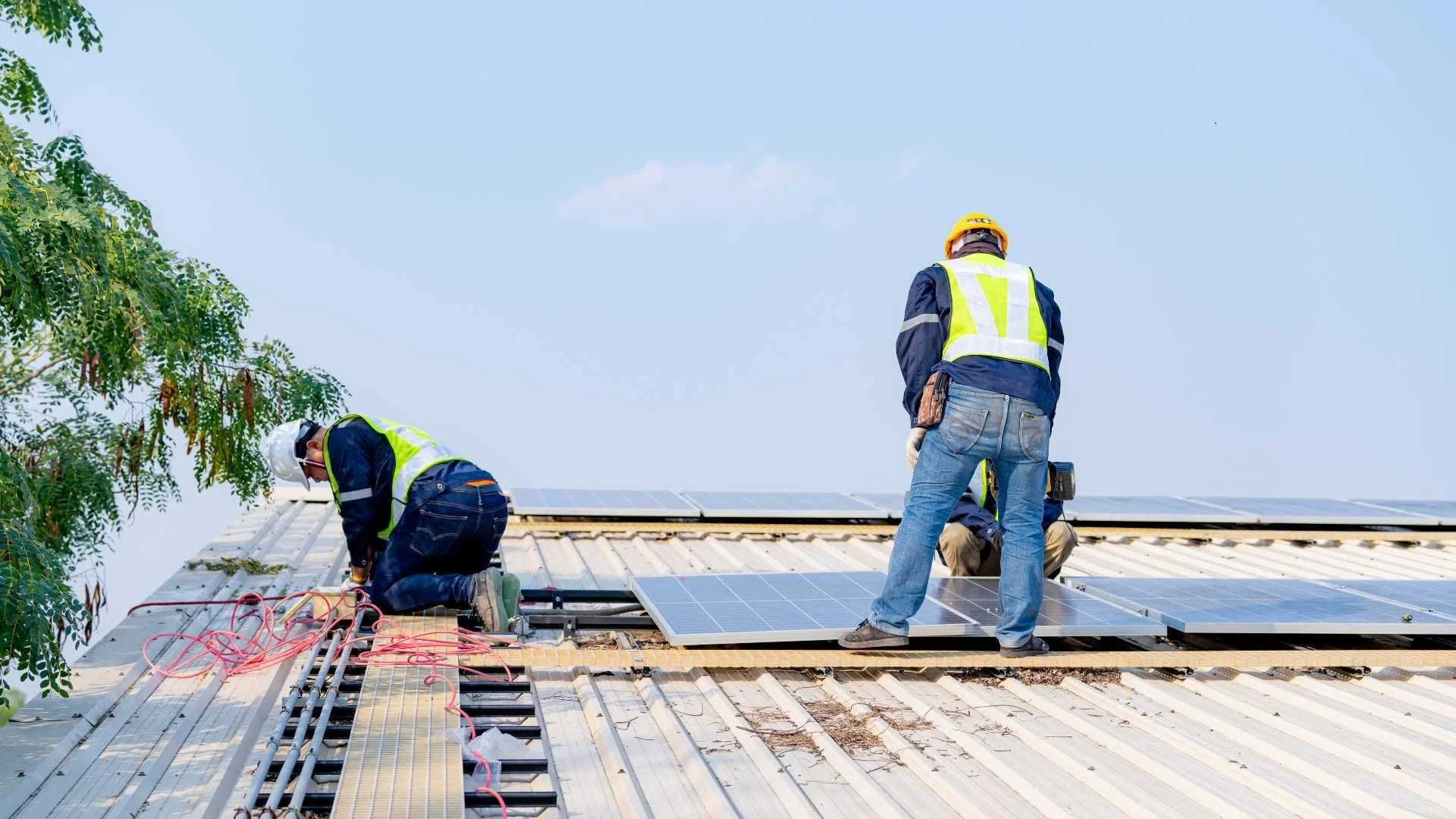
Emergency Roof Tarp & Dry-In in Provo, UT view 1Emergency Roof Tarp & Dry-In in Provo, UT view 2Emergency Roof Tarp & Dry-In in Provo, UT view 3Emergency Roof Tarp & Dry-In in Provo, UT view 4Emergency Roof Tarp & Dry-In in Provo, UT view 5Emergency Roof Tarp & Dry-In in Provo, UT view 6Emergency Roof Tarp & Dry-In in Provo, UT view 7Emergency Roof Tarp & Dry-In in Provo, UT view 8

Stopping Water Before Canyon Wind Damage Reaches the Insulation

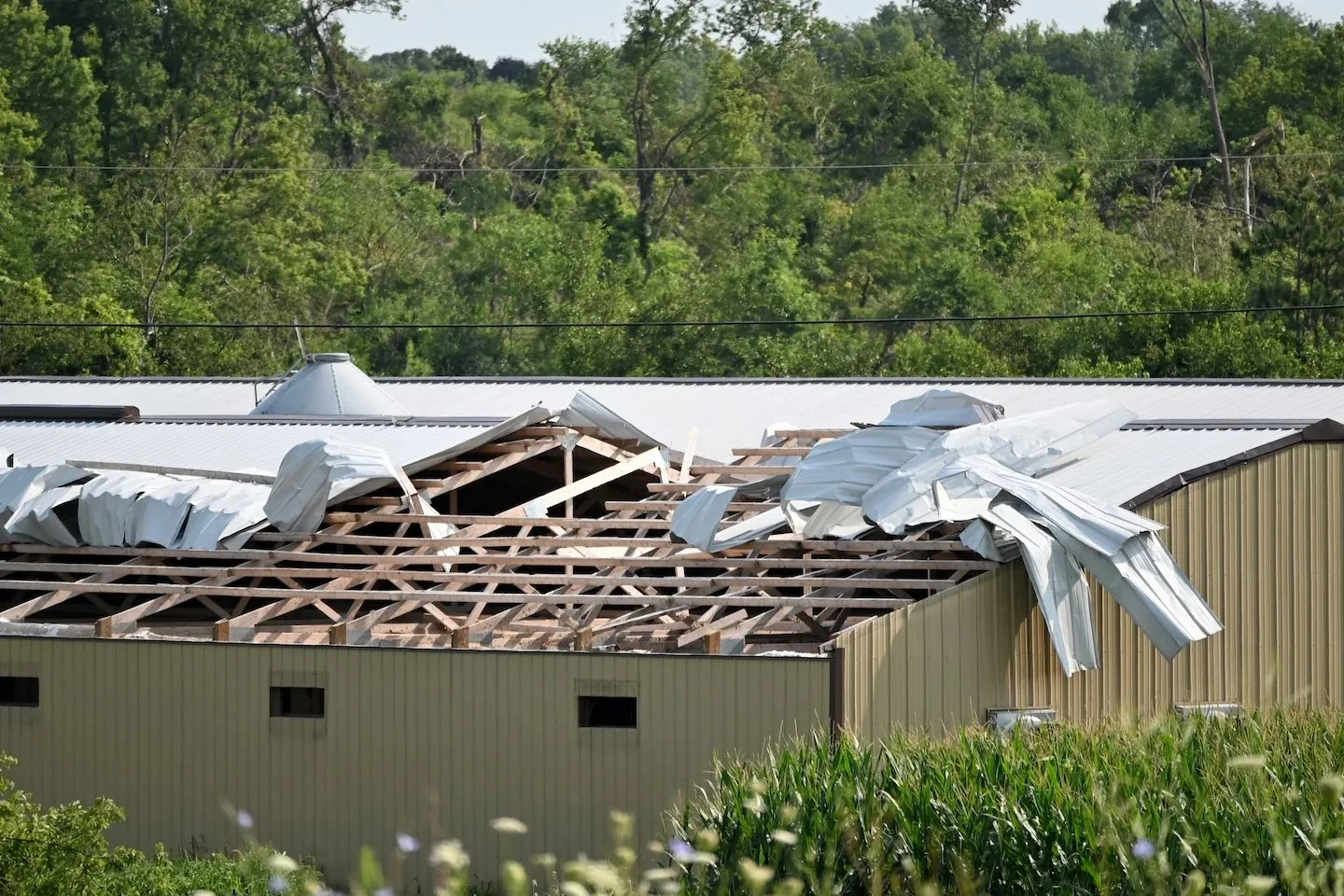
When a canyon-wind gust peels back a section of membrane or a microburst drops debris through a roof, the clock that matters most is not how fast the permanent repair gets scheduled. It is how fast water gets stopped from reaching the insulation and interior below. We respond to get a building dry and secure first, then plan the actual repair once conditions and materials allow.

Why the First Few Hours Matter More Than the Repair Timeline

Insulation that gets soaked in the first hour after a blow-off keeps absorbing water for as long as the opening stays exposed, and once it is saturated, drying it out is a much bigger job than the tarp-and-cover work that would have prevented it. A dry-in is not a repair. It is triage aimed at limiting how much of the building's insulation and interior gets damaged before a proper fix can happen, whether that is the next morning or after a storm system clears the area entirely.

We treat every emergency call with that priority order: stop active water intrusion first, assess extent second, and schedule permanent repair third. Buildings near the mouth of Provo Canyon and elevated pad sites see this kind of damage more often than sheltered locations, simply because they take the brunt of the wind first.

Resort and lodge buildings up toward Sundance and other commercial structures inside Provo Canyon itself deal with this exposure on a different scale entirely, since access alone can add real time to a response during a snow-season storm. We plan for that reality rather than assuming every emergency call gets the same drive time and staging conditions as a building down in the valley.

What Canyon Wind Actually Does to a Roof

Wind funneling down through Provo Canyon does not behave like a steady straight-line gust. It accelerates through the canyon mouth and hits exposed buildings with sudden, hard pressure changes that a standard wind-load calculation for the broader region can understate. That pressure gets under membrane edges, corners, and any section where fastening has loosened over time, and once it lifts one section, the tear tends to propagate along the seam rather than staying contained to a small area.

Summer microbursts add a second failure mode: short, intense downdrafts that can drop tree limbs and debris directly through a membrane, punching a hole rather than peeling one open. Both situations call for the same first response, even though the damage looks different.

How a Tarp and Dry-In Actually Gets Installed

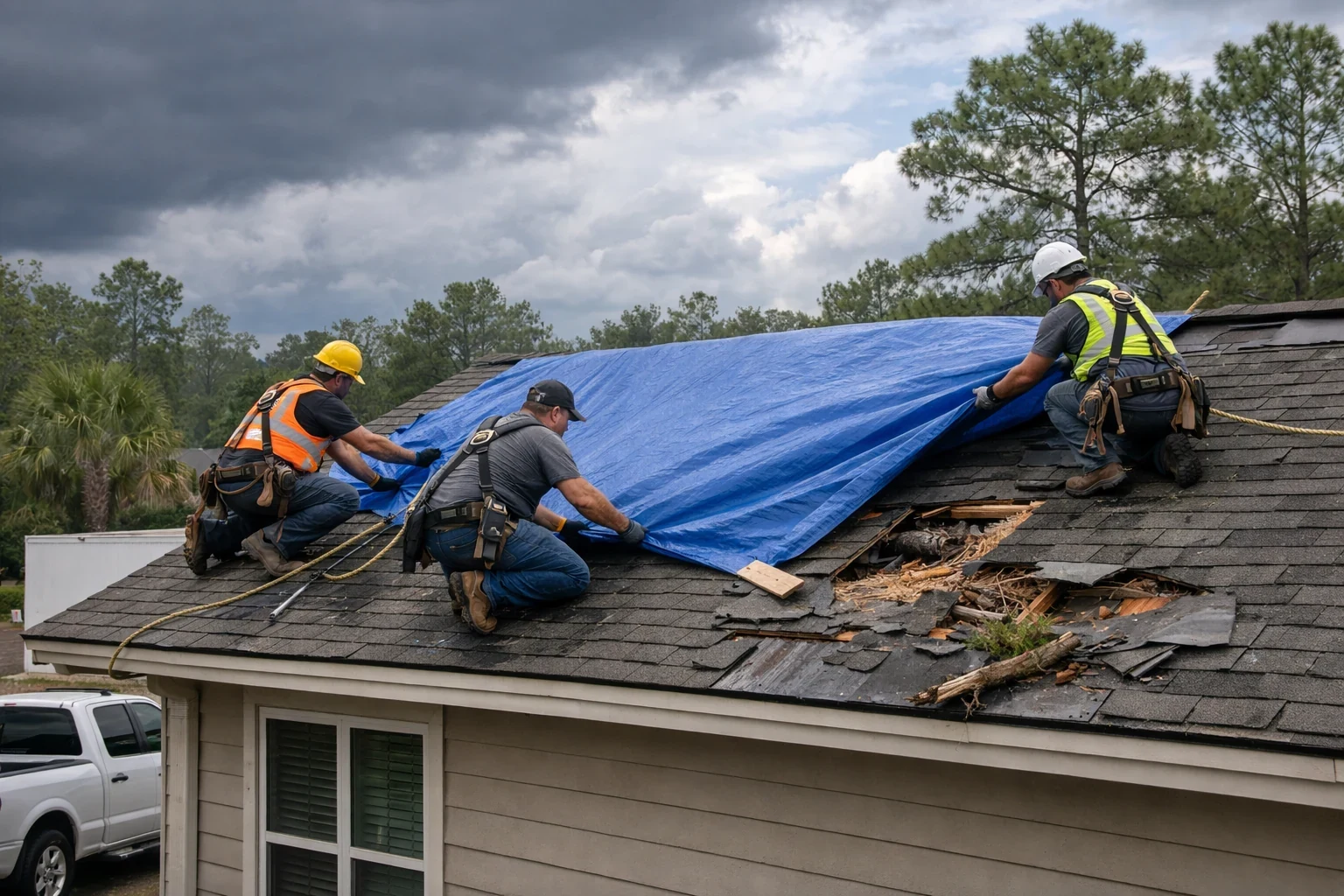
A proper emergency tarp is not a sheet thrown over the opening and weighted with a few sandbags. We secure tarps with a fastening pattern rated for the same wind exposure that caused the original damage, because a poorly secured tarp that blows off in the next gust leaves the building exactly as exposed as before, just with a delay and a false sense of security in between. Edges get sealed and battened rather than simply draped, and we check the install again after the first follow-up wind event to confirm it held.

  • Confirm and stop the active water entry point first
  • Assess how far saturation has already spread through insulation
  • Install wind-rated tarp and secure fastening at all edges
  • Photograph damage extent for the owner's records and any insurance claim
  • Protect interior contents from continued drip while tarp is in place
  • Schedule permanent repair scope once damage is fully assessed

From Dry-In to Permanent Repair

Once a building is stabilized and dry, the next step is figuring out how much of the roof actually needs repair versus how much was cosmetic. A localized membrane tear from a canyon-wind gust might only need a patch and edge refastening. A microburst that drove debris through the deck itself is a different scope entirely, sometimes requiring structural assessment before any membrane work resumes. We do not rush that determination just because a tarp is already in place buying time.

Documentation Starts at the Tarp Visit

We photograph the damage as we find it, before and during the dry-in, because that documentation matters later whether the building owner is filing an insurance claim or just tracking what happened for their own maintenance records. Waiting until the permanent repair to document the original damage means losing detail that only exists in the first few hours after the event.

Emergency Tarp Questions From Building Owners

How fast can a dry-in be installed after storm damage?

We prioritize active water intrusion calls and move as quickly as conditions allow. Wind and lightning risk during an active storm can delay getting a crew safely on the roof, but stabilization starts as soon as it is safe to work.

Will a standard tarp hold up to another canyon-wind event?

Only if it is fastened for that exposure specifically. We rate the tarp installation to the same wind conditions that caused the original damage, not a generic fastening pattern.

How long can a building stay under a tarp before permanent repair?

It depends on the extent of damage and material availability, but a properly secured tarp is meant as a short-term measure, not a long-term substitute for the actual repair.

Does a dry-in count as a repair for insurance purposes?

It is typically treated as mitigation, which most policies expect the owner to perform to limit further damage. We document it clearly so it supports rather than complicates a claim.

What if the damage turns out to be worse than it looked from the tarp visit?

That is common, since full extent is not always visible until the area dries out and can be properly inspected. We update the scope and communicate any change before proceeding.

Ready to review the roof scope?

Request a Roof Assessment
Service Area
Provo, Orem, Utah County, and the Wasatch Front
Roof Scope
Commercial Roofing Services
Provo Office


Emergency Commercial Roof Repair in Provo

When a canyon-wind gust peels back a section of membrane or a microburst drops debris through a roof, the clock that matters most is not how fast the permanent repair gets scheduled. It is how fast water gets stopped from reaching the insulation and interior below. We respond to get a building dry and secure first, then plan the actual repair once conditions and materials allow.

Why the First Few Hours Matter More Than the Repair Timeline

Insulation that gets soaked in the first hour after a blow-off keeps absorbing water for as long as the opening stays exposed, and once it is saturated, drying it out is a much bigger job than the tarp-and-cover work that would have prevented it. A dry-in is not a repair. It is triage aimed at limiting how much of the building's insulation and interior gets damaged before a proper fix can happen, whether that is the next morning or after a storm system clears the area entirely.

We treat every emergency call with that priority order: stop active water intrusion first, assess extent second, and schedule permanent repair third. Buildings near the mouth of Provo Canyon and elevated pad sites see this kind of damage more often than sheltered locations, simply because they take the brunt of the wind first.

Resort and lodge buildings up toward Sundance and other commercial structures inside Provo Canyon itself deal with this exposure on a different scale entirely, since access alone can add real time to a response during a snow-season storm. We plan for that reality rather than assuming every emergency call gets the same drive time and staging conditions as a building down in the valley.

What Canyon Wind Actually Does to a Roof

Wind funneling down through Provo Canyon does not behave like a steady straight-line gust. It accelerates through the canyon mouth and hits exposed buildings with sudden, hard pressure changes that a standard wind-load calculation for the broader region can understate. That pressure gets under membrane edges, corners, and any section where fastening has loosened over time, and once it lifts one section, the tear tends to propagate along the seam rather than staying contained to a small area.

Summer microbursts add a second failure mode: short, intense downdrafts that can drop tree limbs and debris directly through a membrane, punching a hole rather than peeling one open. Both situations call for the same first response, even though the damage looks different.

How a Tarp and Dry-In Actually Gets Installed

A proper emergency tarp is not a sheet thrown over the opening and weighted with a few sandbags. We secure tarps with a fastening pattern rated for the same wind exposure that caused the original damage, because a poorly secured tarp that blows off in the next gust leaves the building exactly as exposed as before, just with a delay and a false sense of security in between. Edges get sealed and battened rather than simply draped, and we check the install again after the first follow-up wind event to confirm it held.

From Dry-In to Permanent Repair

Once a building is stabilized and dry, the next step is figuring out how much of the roof actually needs repair versus how much was cosmetic. A localized membrane tear from a canyon-wind gust might only need a patch and edge refastening. A microburst that drove debris through the deck itself is a different scope entirely, sometimes requiring structural assessment before any membrane work resumes. We do not rush that determination just because a tarp is already in place buying time.

Documentation Starts at the Tarp Visit

We photograph the damage as we find it, before and during the dry-in, because that documentation matters later whether the building owner is filing an insurance claim or just tracking what happened for their own maintenance records. Waiting until the permanent repair to document the original damage means losing detail that only exists in the first few hours after the event.

Emergency Tarp Questions From Building Owners

How fast can a dry-in be installed after storm damage?

We prioritize active water intrusion calls and move as quickly as conditions allow. Wind and lightning risk during an active storm can delay getting a crew safely on the roof, but stabilization starts as soon as it is safe to work.

Will a standard tarp hold up to another canyon-wind event?

Only if it is fastened for that exposure specifically. We rate the tarp installation to the same wind conditions that caused the original damage, not a generic fastening pattern.

How long can a building stay under a tarp before permanent repair?

It depends on the extent of damage and material availability, but a properly secured tarp is meant as a short-term measure, not a long-term substitute for the actual repair.

Does a dry-in count as a repair for insurance purposes?

It is typically treated as mitigation, which most policies expect the owner to perform to limit further damage. We document it clearly so it supports rather than complicates a claim.

What if the damage turns out to be worse than it looked from the tarp visit?

That is common, since full extent is not always visible until the area dries out and can be properly inspected. We update the scope and communicate any change before proceeding.

Treat each roof assembly on its own terms

A detail that is repairable on PVC Roof Systems may require different preparation or materials on Modified Bitumen Systems or Silicone Roof Coating. Existing layers, surfacing, attachment, and earlier repair products matter before new materials are selected. The scope should name the membrane or surface that was actually observed, identify unknown construction, and check compatibility before mastics, primers, membranes, or coatings are specified. Core information may be necessary when layers and attachment affect the option set. The final comparison should show which materials can accept repair or restoration, which areas need removal, and which unknowns could change the scope. Product preference comes after those conditions are established.

Roof work has to fit real operations

Manufacturing Operators, Retail Chain Operators, and Education Facilities do not share the same interruption tolerance. The roof scope should be written around the occupied property as well as the exterior defect. Document roof access, sensitive rooms and inventory, deliveries, public entrances, tenant hours, exhausts and air intakes, interior evidence, and the route used to move tools and debris. These conditions belong in the written scope before scheduling. A dry-in can be appropriate during active weather even when permanent work must wait. The crew's daily record should identify every temporary edge, cover, ballast, drain protection, and remaining exposure before leaving the property.

Make repair, restoration, and replacement distinct decisions

The recommendation must answer what is temporary, what can be repaired permanently, and what requires a broader inspection after the weather clears. An isolated repair, repair program, restoration, recover assembly, and full replacement solve different condition patterns and should not be presented as interchangeable price levels. Compare the distribution of wet materials, attachment and deck concerns, drainage, detail density, repair frequency, disruption, expected ownership period, energy goals, code assumptions, and warranty requirements. Cost without those differences is not a lifecycle comparison. Ownership should be able to see why a roof can be maintained, why it qualifies for restoration, or why removal is necessary. The report earns that conclusion through field evidence rather than sales urgency.

Turn the visit into a usable next step

After this scope, the record should advance to a documented roof inspection once the immediate water entry is controlled. Carrying the same roof-zone names and evidence forward prevents the next visit from starting with an empty file. For one building, that history makes the next visit faster and reveals whether a repair held. Across a portfolio, it lets ownership rank roofs by condition, operational risk, repair spending, and capital timing instead of reacting to the newest ceiling stain. Recurring service should not disappear when a capital project begins. Commercial Roofers of Provo can preserve the agreement and roof history while larger work is scoped, completed, closed out, and returned to inspection status.

A useful response starts before roof access

Before dispatch, collect the address, responsible building contact, safe access route, occupied area below the problem, time and behavior of the leak, known roof type, and any temporary protection already attempted at the Provo property. Interior photographs can preserve stain limits and active-drip locations before ceiling materials are moved. Roof photographs from facility staff may help with orientation, but they do not replace safe field verification or authorize untrained personnel to enter the roof. That intake determines whether the immediate need is interior protection, controlled roof access, weather-limited stabilization, drainage attention, or a scheduled diagnostic visit. It also gives the crew a safer and more focused starting point.

Price the known work without hiding the unknowns

A proposal should distinguish verified quantities from allowances and investigation from construction. Roof area, repair limits, test cuts, wet-material removal, deck repair, drain work, equipment coordination, and interior protection can carry different pricing certainty. Schedule assumptions also belong beside price: weather windows, material lead time, permits, shutdowns, tenant coordination, daily dry-in, and access restrictions. An unexplained low number can become an expensive sequence of changes if these constraints are omitted. Closeout requirements should be priced as part of the work: final photographs, repair locations, warranty or material records, open punch items, and the next recommended inspection. Those documents keep the completed scope connected to the roof plan.

How Provo operating conditions shape the review

A Provo roof review has to account for snow, intense ultraviolet exposure, wind, freeze-thaw cycling, and broad daily temperature changes. Those conditions affect access, observation timing, drying, and temporary protection before they affect the final recommendation. Interior evidence should be mapped to a roof elevation before anyone chooses a drain, wall, curb, seam, penetration, or edge as the cause. Water can move laterally through insulation, along deck flutes, or down structural elements and appear away from the opening. The first service call should create evidence that remains useful after the immediate problem is gone. Record what was observed, what remains an inference, and what weather, access, equipment, overburden, or concealed construction prevented the crew from confirming.

Build a roof record another decision-maker can use

The core deliverable is a record of interior leak locations, roof access, water paths, membrane and flashing defects, drainage conditions, temporary work, and photographs taken before conditions change. Commercial Roofers of Provo should be able to hand that record to ownership, a facility manager, or another contractor without a separate verbal explanation. The field sequence is to stabilize the immediate opening, protect the occupied area, and document the conditions that still require permanent work. Photographs should show context and detail, and test locations should explain what question was being answered and how the opening was closed. Observed facts, recommended actions, completed work, and open items should never share one unlabeled list. Separating them lets an off-site approver see exactly what was authorized and what still needs a decision.

Provo decision checklist

  • Map the interior symptom to a named roof area before selecting a repair detail.
  • Record temporary measures separately from permanent work and list every open item.
  • Verify drainage, penetrations, walls, edges, earlier repairs, and transitions around the affected area.
  • State the observed roof assembly, unknown construction, access limits, and testing assumptions.
  • Connect the recommendation to repair, restoration, replacement, maintenance, or capital-planning thresholds.
  • Set the next inspection or follow-up date so the roof history continues after this visit.

Commercial roof decision questions

Does this condition automatically mean the roof must be replaced?

No. The review should establish what is temporary, what can be repaired permanently, and what requires a broader inspection after the weather clears. Replacement becomes a defensible recommendation only when the field evidence, moisture, assembly condition, repair history, deck or attachment concerns, and lifecycle comparison support it.

What should the Provo roof scope document?

It should document interior leak locations, roof access, water paths, membrane and flashing defects, drainage conditions, temporary work, and photographs taken before conditions change. It should also label temporary and permanent work separately, state assumptions and exclusions, and identify the inspection or service step that follows the current scope.

How does an urgent call become a maintenance or capital plan?

The immediate visit creates the first roof-area record. A follow-up inspection establishes condition and priorities. Completed repairs, recurring observations, drain service, warranties, and future recommendations are then retained so maintenance stays scheduled and larger work can be placed into the appropriate capital year.

From service call to roof plan

Use the next decision, not the biggest sale.

Stabilize the problem, document the roof, compare the viable paths, and keep the resulting roof history active.

Request commercial roof help

AboutServicesRoof SystemsProject TypesService AreasRequest a Roof AssessmentRequest Roof Help
Roof Help