Carlisle SynTec in Provo, UT
Commercial Roofing • Roofing Manufacturers • Provo,
Carlisle SynTec Membranes and Where They Fit on a Provo Roof
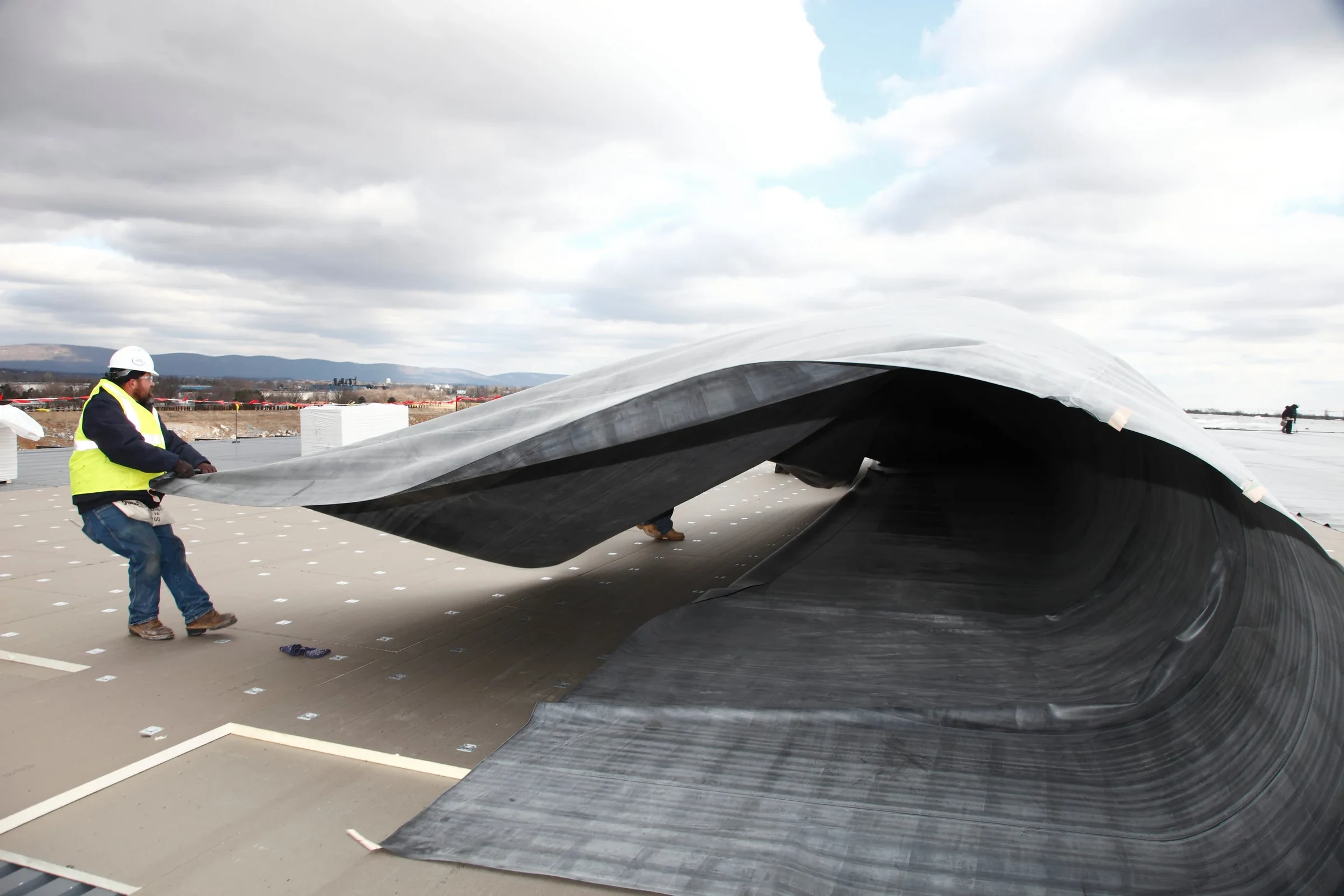
Carlisle SynTec is one of the larger single-ply manufacturers in the country, with a product line that spans TPO, EPDM, and PVC membrane in multiple thicknesses and reflectivity options. We work with materials from several manufacturers depending on what a specific roof needs, and Carlisle's catalog gives us a wide range of thickness, seam-weld, and reflectivity combinations to match against a building's actual use.
What Carlisle Brings to a Single-Ply Decision
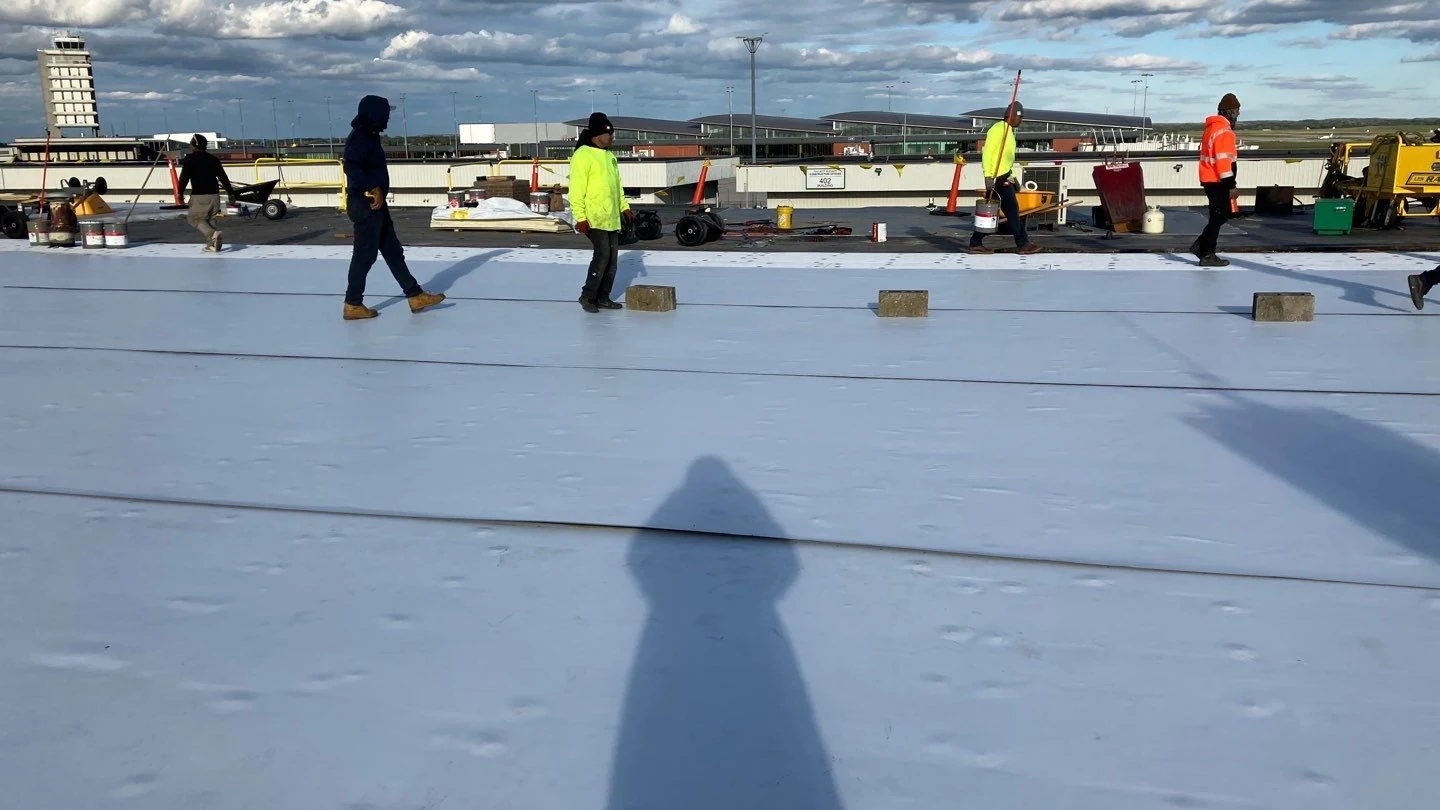
Carlisle's TPO line covers the standard 45, 60, and 80-mil thicknesses that cover most of what we spec on office, retail, and flex-industrial roofs around Utah Valley. Their EPDM line has a long field history, which matters on buildings where rubber's cold-weather flexibility is the priority over reflectivity. The PVC line adds the chemical and grease resistance option for restaurant and grocery roofs where TPO would eventually degrade under exposure. Having that range in one manufacturer's catalog simplifies sourcing on projects that mix systems across a single roof.
Reflectivity Ratings and the Silicon Slopes Cooling Load
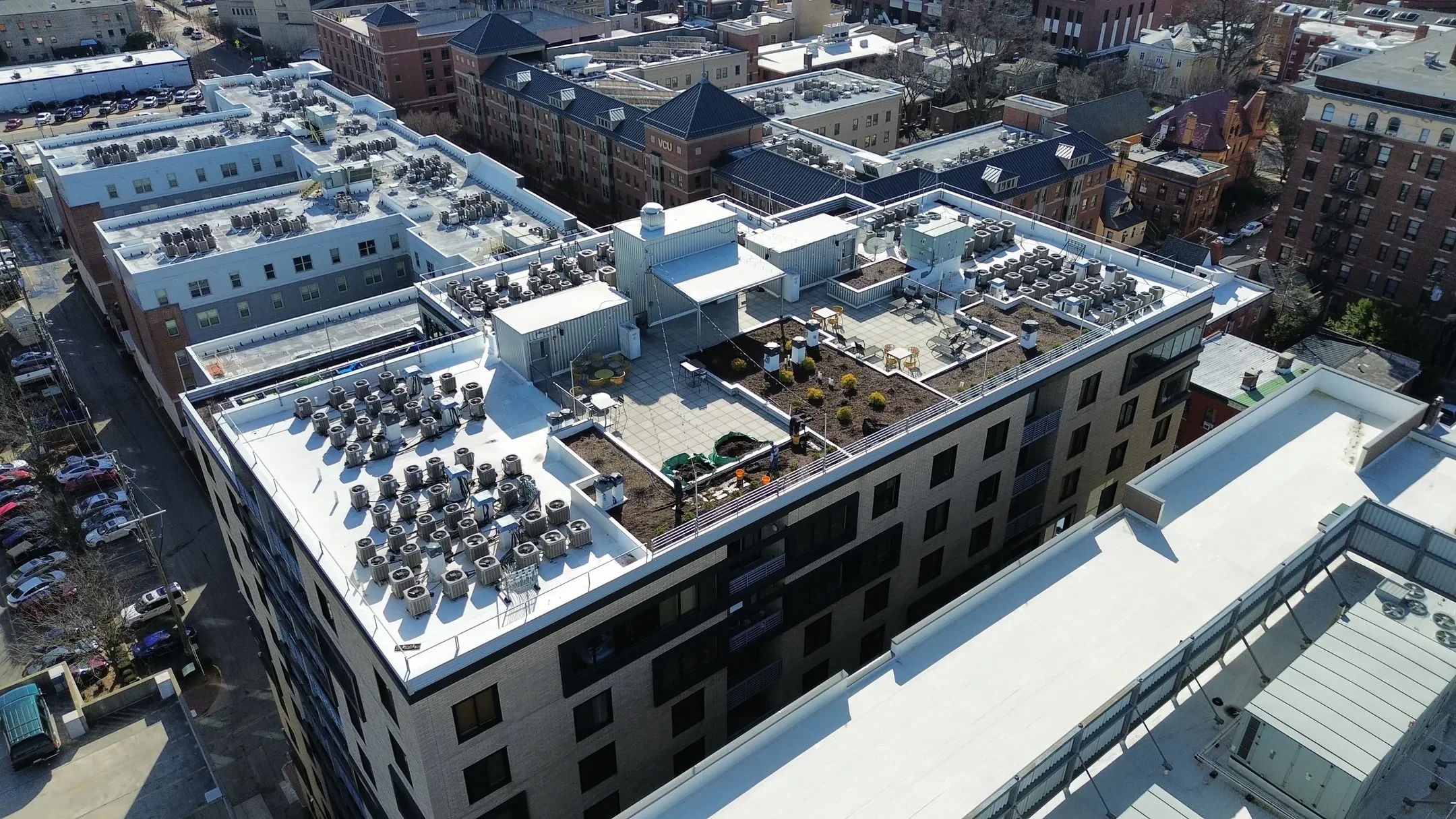
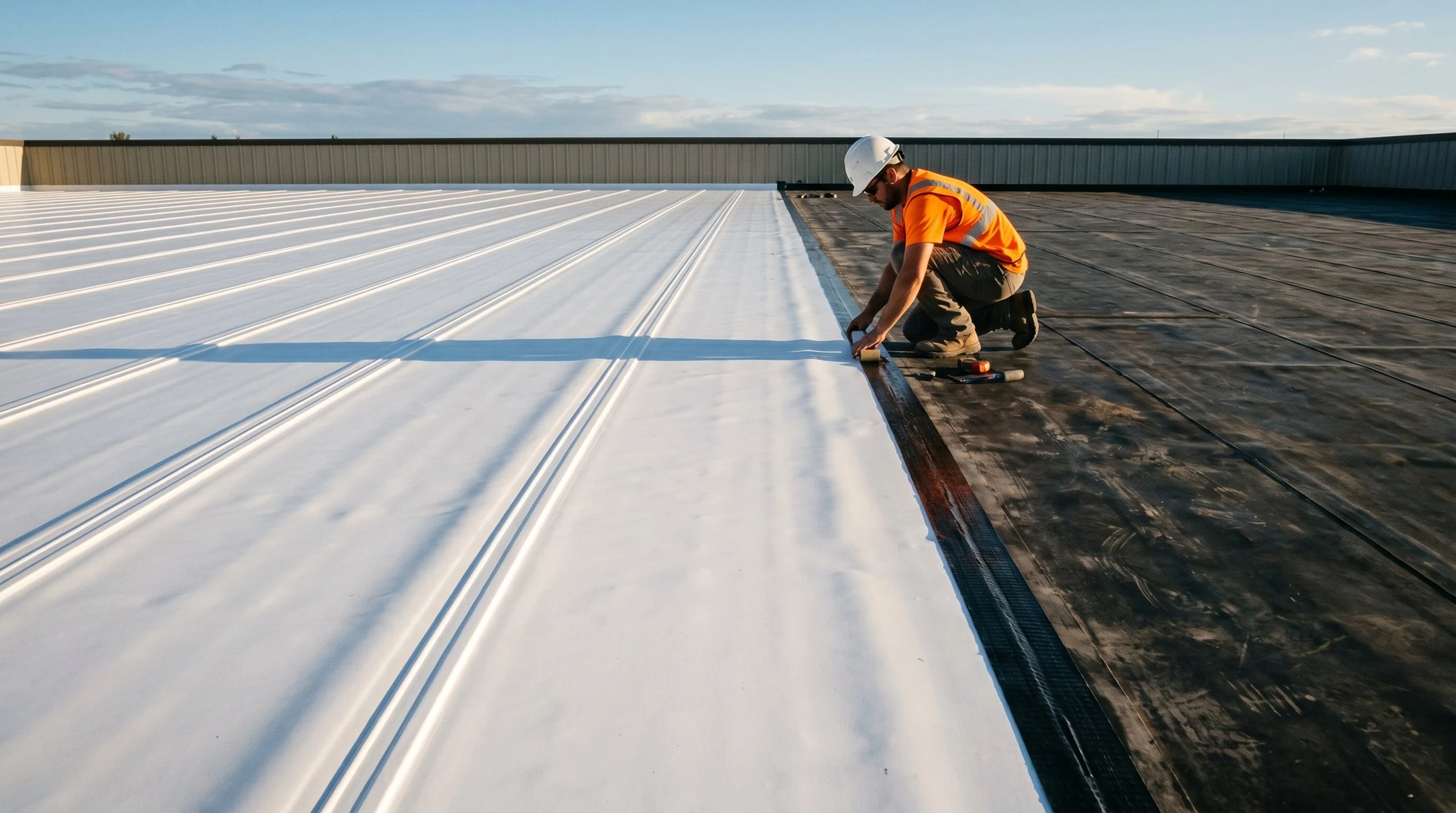
Carlisle publishes reflectivity and emissivity data for its white membrane products, and we reference that data when sizing insulation for buildings with heavy rooftop cooling loads, tech office space around Lehi and the Silicon Slopes corridor being the clearest example. A membrane's published reflectivity only holds up if it's installed correctly and the insulation package underneath is sized to the roof's actual R-value target, so the manufacturer spec sheet is a starting point, not the whole answer.
Seam Weld Consistency at This Elevation
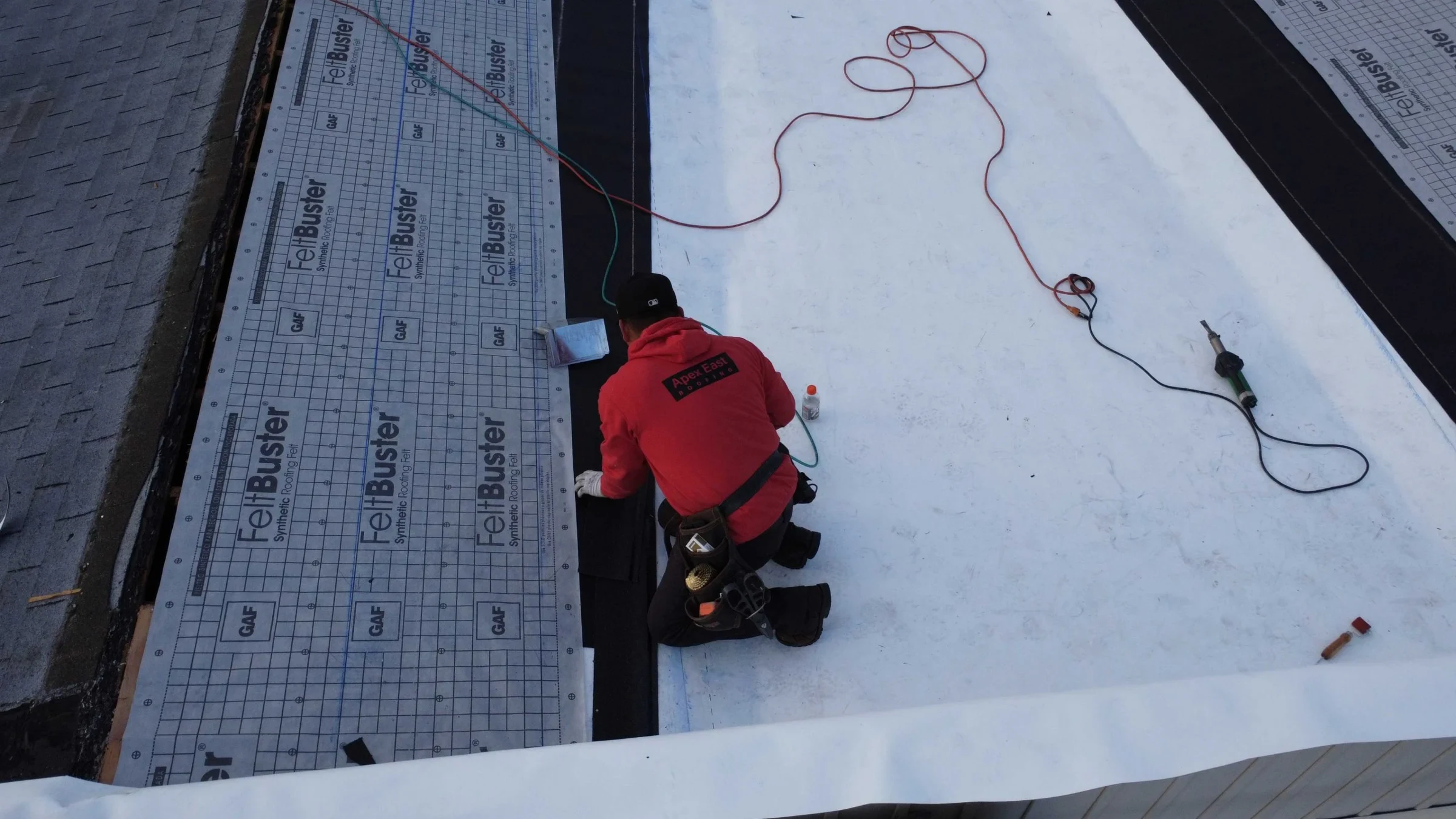
Heat-welded thermoplastic seams are only as good as the crew running the welder, but the membrane's formulation matters too, particularly through the freeze-thaw cycling Provo sees each spring. We probe every seam on every project regardless of which manufacturer's membrane is on the roof, because seam integrity is where a single-ply roof fails first if it's going to fail at all.
Warranty Terms Are a Manufacturer Question, Not a Contractor Promise
Carlisle offers manufacturer warranty terms that vary by membrane type, thickness, and installation method, and those terms come directly from Carlisle, not from us. We are not claiming any specific certified-installer status on this page. What we do is install according to manufacturer specification and document the installation so a warranty claim, if it's ever needed, has the paperwork behind it.
- TPO membrane in 45, 60, and 80-mil thickness
- EPDM rubber membrane for cold-flexibility priority roofs
- PVC membrane for chemical and grease-exposed roofs
- Reflective white and standard color membrane options
- Compatible insulation and fastening accessories
How We Decide Whether Carlisle Is the Right Fit
The membrane brand is one variable in a roof decision, not the whole decision. We start with the building's actual use, restaurant, office, distribution, and its exposure, grease, chemicals, heavy foot traffic, snow load, and match membrane type and thickness to that first. Carlisle's catalog is broad enough to cover most of what comes up, but if a project's specific requirements point toward another manufacturer's product, we'll say so rather than defaulting to one brand across every job.
Accessory Depth and Insulation R-Value Stacking
Carlisle's accessory line, pre-molded pipe boots, corner flashings, termination bars, walkway pads, is deep enough that most projects can be detailed entirely within one manufacturer's system rather than mixing accessory brands. That matters for warranty administration, since a mixed-brand installation can complicate a claim if a flashing detail from one manufacturer fails on a roof warrantied under another's system. On buildings with a lot of rooftop penetrations, distribution centers off I-15 with dense conduit and piping runs, that accessory depth genuinely simplifies the install and cuts down on coordination headaches during a fast-moving install schedule.
Their polyiso insulation products also come in a range of thicknesses that let us stack layers to hit a specific R-value target without over-building the roof assembly. On a re-roof where the existing insulation is being retained in part, we calculate the combined R-value of old and new layers together rather than assuming the new layer alone needs to meet code. Getting that math right is where a lot of the real energy-cost improvement on a renovation project comes from, more than the membrane brand itself.
Questions Owners Ask About Carlisle Products
Are you a certified Carlisle installer?
We install Carlisle materials according to manufacturer specification. Any specific certification or authorized-dealer status should be confirmed directly for a given project rather than assumed from this page.
Does Carlisle membrane perform differently at Provo's elevation than at sea level?
UV intensity is higher at this elevation, which affects membrane surface aging over time. Reflective white membrane ages more slowly under that exposure than dark membrane, which is one reason we default to white on most projects here.
How do I know which Carlisle membrane thickness my roof needs?
It depends on foot traffic, rooftop equipment density, and expected service life. We walk the roof and check current wear patterns before recommending a thickness rather than defaulting to one option.
Does Carlisle's warranty cover installation defects?
Manufacturer warranties typically cover material defects, with installation-related terms varying by program. We recommend reviewing the specific warranty document for the product installed rather than assuming blanket coverage.
Can Carlisle TPO go over an existing EPDM roof?
Sometimes, with the right separator layer and a dry, sound existing deck. We check moisture content across the roof before recommending a recover system over any existing membrane.