Big-Box Retail Roofing in Provo, UT
Commercial Roofing • Commercial Project Types • Provo,
Big-Box Roofs Along University Parkway and State Street
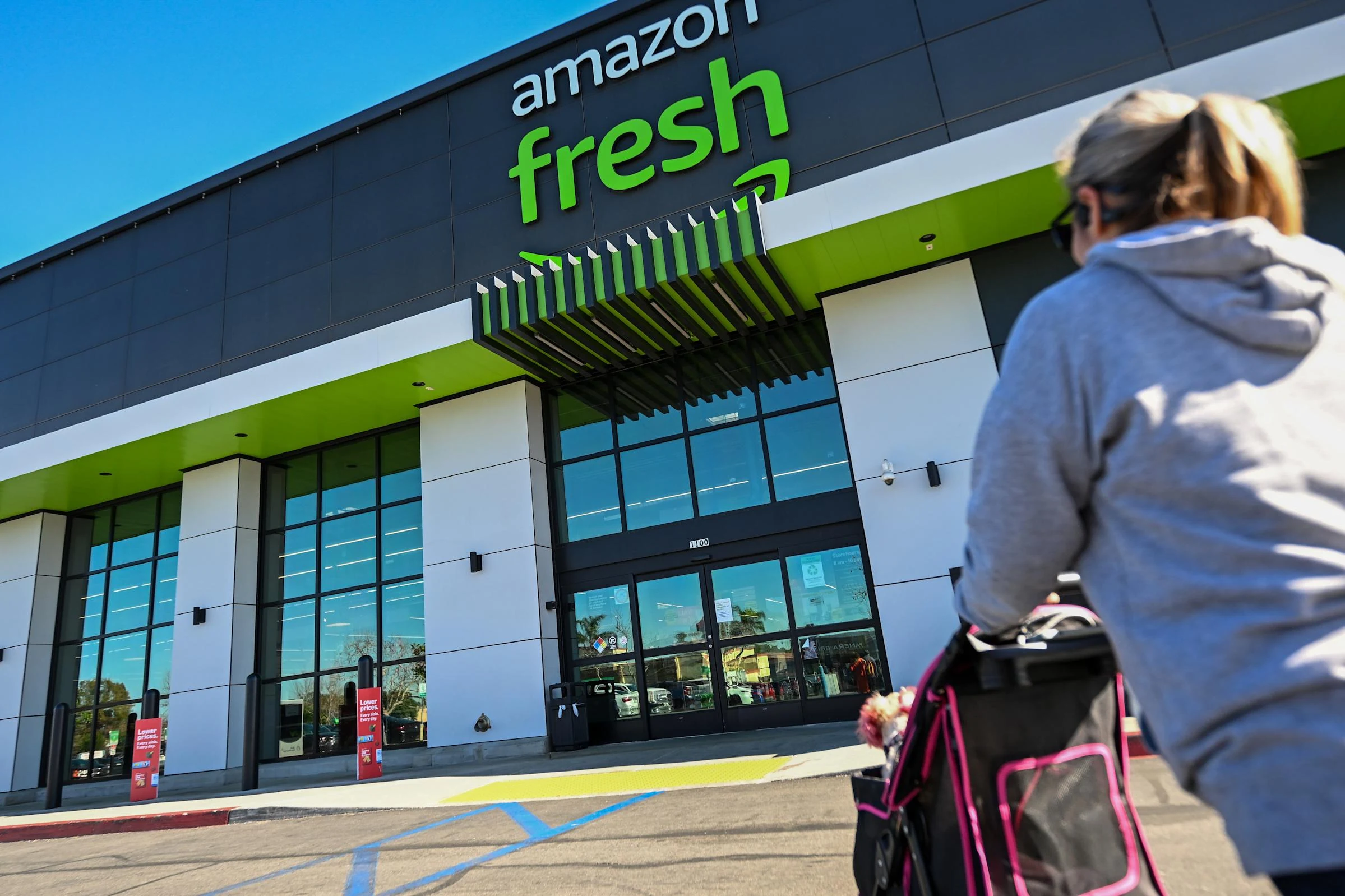
The large-format retail stock along University Parkway, State Street, and the corridor near University Place mall in Orem carries some of the widest single-span roofs in this valley outside of pure industrial buildings. These stores stay open through construction, which means the roof project has to work around a sales floor that never closes rather than the other way around.
Keeping the Sales Floor Open and Dry During the Project
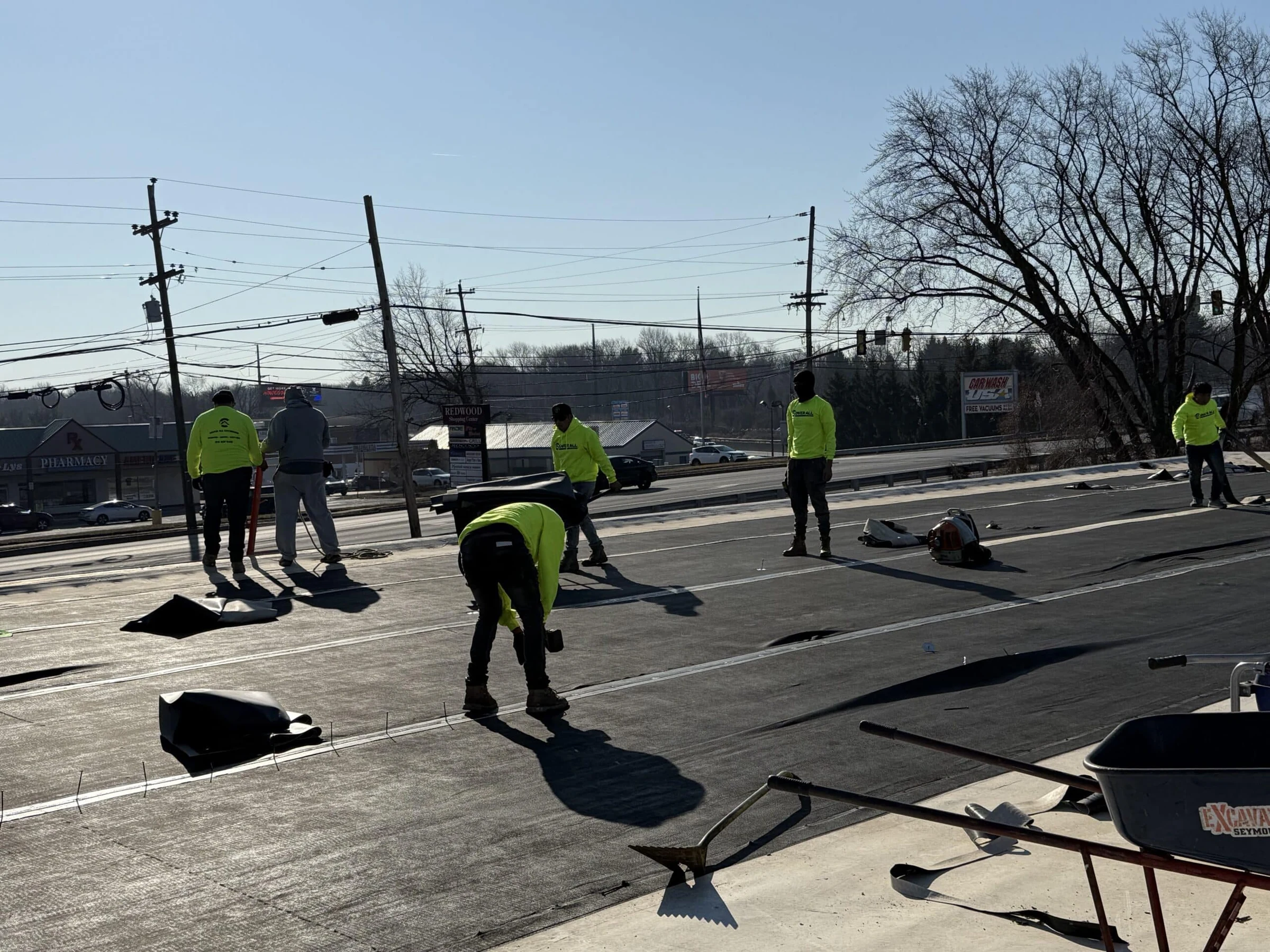
A big-box retailer loses real revenue for every hour a leak drips onto merchandise or a customer aisle gets roped off, so we plan tear-off sequencing to keep the interior dry and the store operating through the entire project. Material staging happens in back-of-house loading areas rather than the customer parking lot whenever the site allows it, and we coordinate delivery timing with the store's own truck schedule to avoid conflicts.
Overnight and early-morning work windows come up often on these projects, since the loudest phases of tear-off are easier to manage before a store opens for the day than during business hours with customers inside.
Wide-Span Roofs Change the Drainage and Structural Picture
A typical big-box roof spans far wider than a standard commercial building, which means drainage design carries more weight in preventing ponding across the field. We evaluate drain placement and slope on these roofs closely, since a ponding problem on a 100,000-square-foot roof affects a much larger area than the same issue would on a smaller building.
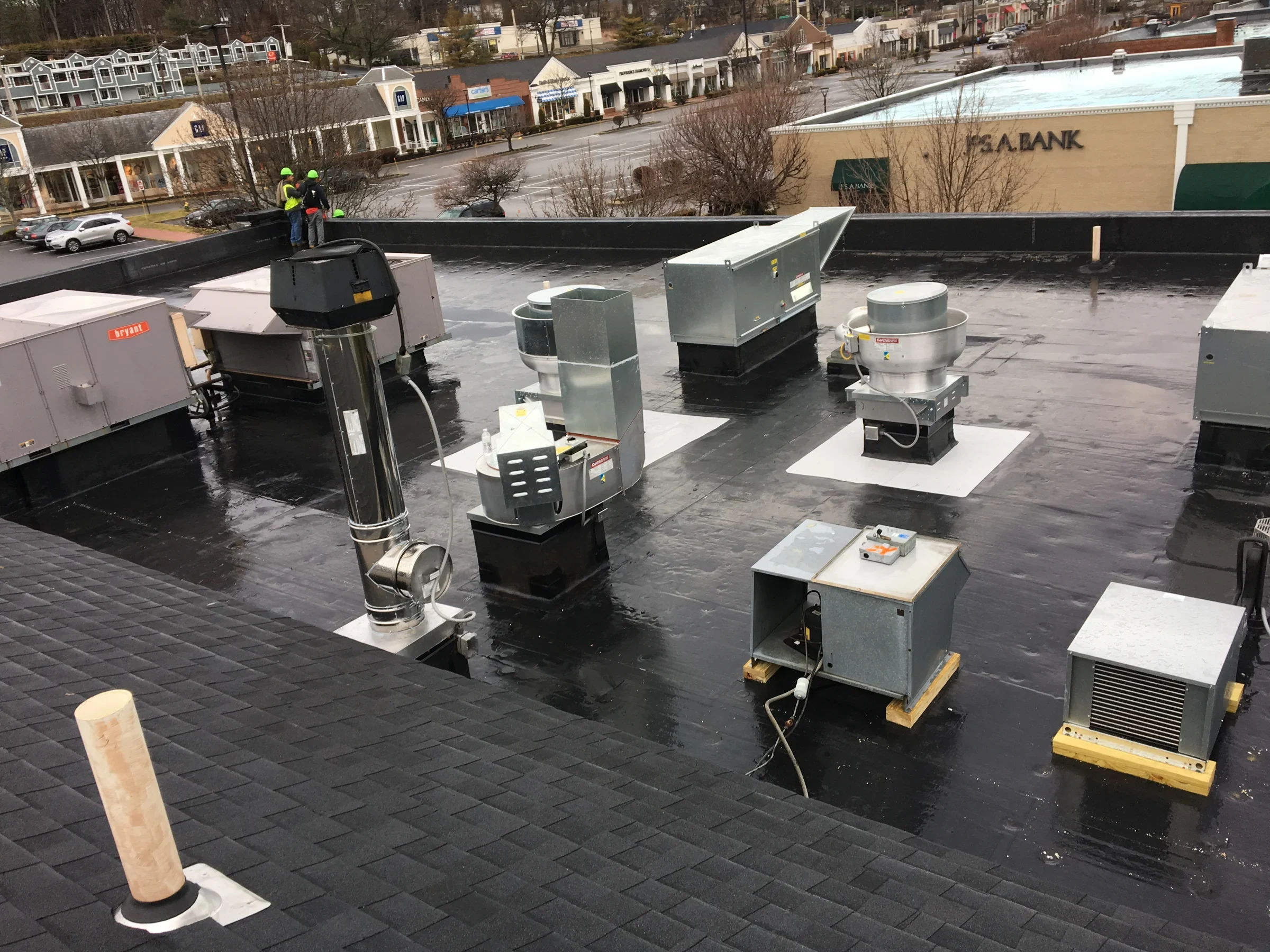
Rooftop mechanical loads matter here too, with big-box stores often carrying large HVAC units and sometimes solar arrays or additional rooftop equipment that adds structural and drainage considerations most standard retail roofs don't have to account for.
HVAC Load on a Building With a Huge Roof-to-Floor Ratio
A big-box store has an unusually high ratio of roof area to interior floor space compared to a multi-story building, which means the roof plays an outsized role in how hard the HVAC system works to keep a sales floor comfortable through both a hot Utah summer and a cold winter. Reflective membrane surfaces cut down on summer heat gain across that large roof field, easing the load on rooftop units during the peak cooling months.
Insulation condition matters just as much on the winter side, since a big-box store with high ceilings and a huge roof area loses heat fast through any insulation gap, and that loss shows up directly in a winter utility bill for a store running long retail hours seven days a week.
- Large-format general merchandise and department stores
- Home improvement and building supply retailers
- Wholesale club and warehouse retail stores
- Big-box electronics and appliance retailers
- Sporting goods and outdoor retail stores
- Anchor tenants inside larger shopping centers
Rooftop Equipment Access Without Disrupting the Store Below
Big-box stores often carry a mix of HVAC units, exhaust fans, and sometimes signage or communications equipment scattered across the roof, and servicing one piece of equipment shouldn't require opening up roof sections unrelated to that unit. We map rooftop equipment locations against the roof plan before starting work, so a repair near one HVAC unit doesn't turn into unnecessary disruption near unrelated store departments below.
Loading dock areas at the back of most big-box stores stay busy with delivery trucks throughout the day, and we coordinate staging away from active dock doors the same way we would on a distribution warehouse, since a big-box store's back-of-house operations run on a tight schedule of its own.
University Parkway and University Place Anchor Sites Carry Older Roof Stock
Several of the big-box buildings anchoring the University Parkway and University Place corridor in Orem date back decades, and those older roofs have usually been recovered at least once already, sometimes with a mismatch between the original deck insulation and whatever membrane went on top during a later recover. We evaluate the full roof assembly history on these older anchor buildings rather than just the surface membrane, since a recover layer sitting on aging insulation limits how much a reflective upgrade alone can improve energy performance.
Remodels and store resets are common on these older anchor buildings too, and rooftop equipment changes during a remodel often mean new penetrations that need to be coordinated with whatever roof system is already in place, particularly on a building that's already carrying more than one recover layer.
Capital Planning for Multi-Location Retail Owners
Retail chains operating more than one location in this valley benefit from roof condition reporting that supports capital planning across the portfolio, not merely a single-store pass-fail assessment. We document remaining service life and insulation condition per store so a facilities or real estate team can prioritize which locations need attention first and budget accordingly.
We also flag when a repair pattern at one store is likely to repeat at a sister location constructed around the same time, which is common among chain retailers who used the same roofing spec across several stores built in the same construction wave.
Questions Big-Box Facility Managers Ask Us
Can you keep our store open during a full roof replacement?
Yes, we sequence tear-off to keep the interior dry and the sales floor operating, often scheduling the loudest work before store hours.
How do you handle drainage on a roof this wide?
We evaluate drain placement and slope carefully, since ponding on a large-format roof affects a much bigger area than on a standard building.
Does a reflective membrane really help on a roof this size?
Yes, the high roof-to-floor ratio on a big-box store means reflectivity has an outsized effect on summer cooling load compared to a smaller building.
Can you avoid disrupting our loading dock operations?
We coordinate material staging away from active dock doors and work around your delivery schedule.
Do you provide reporting across multiple store locations?
Yes, we document condition per store to support portfolio-wide capital planning for multi-location retailers.