Grocery Store Roofing in Provo, UT
Commercial Roofing • Commercial Project Types • Provo,
Grocery Store Roofs That Have to Protect Refrigeration First
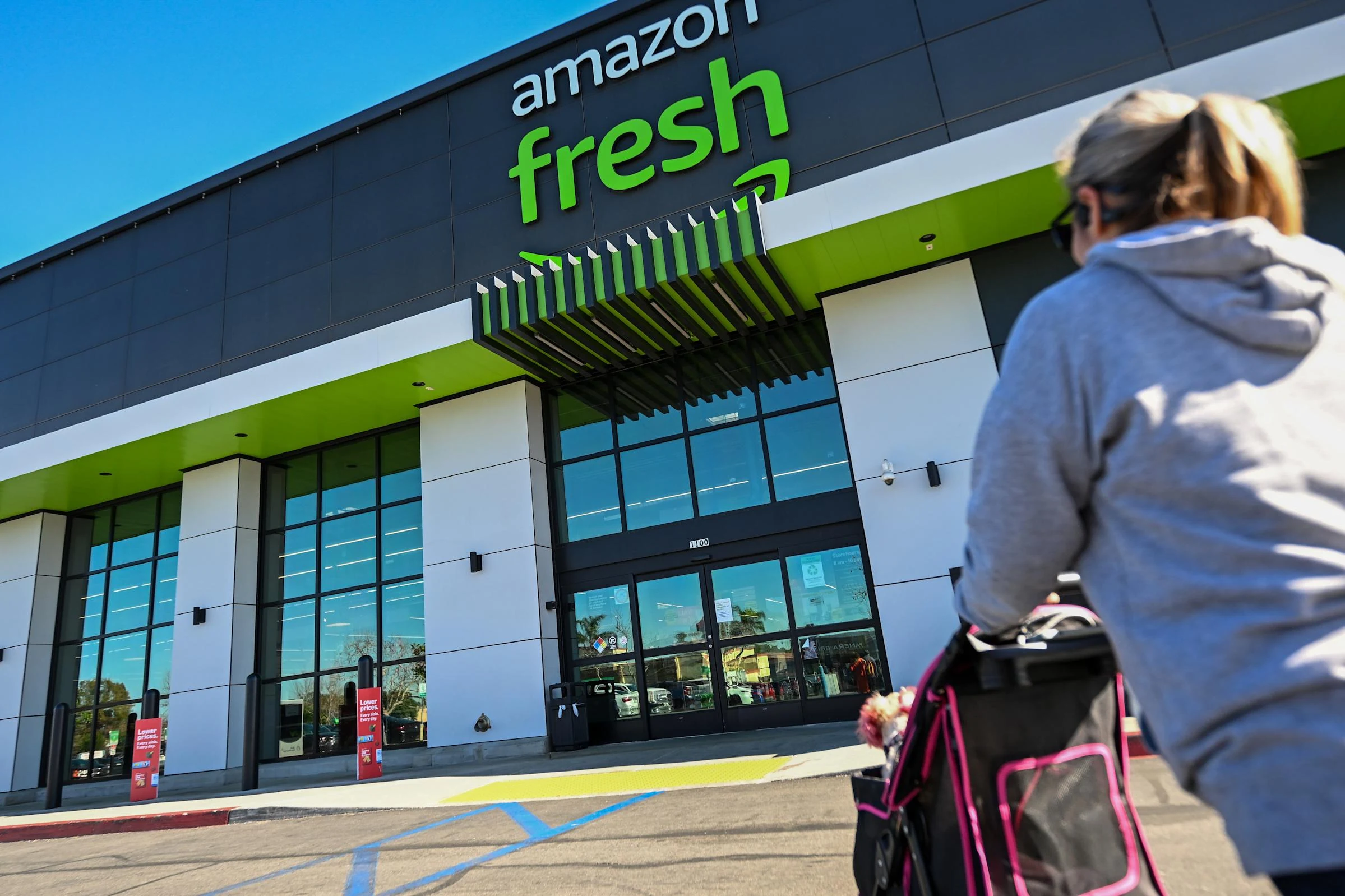
Grocery stores along State Street, University Parkway, and the neighborhood centers spread through Orem, Provo, and American Fork carry a roof responsibility most retail buildings don't share: keeping refrigeration and freezer systems running without interruption. A leak that would just mean a wet aisle in another store means spoiled product and a compliance problem in a grocery store.
Rooftop Refrigeration Equipment Changes How We Plan Every Project
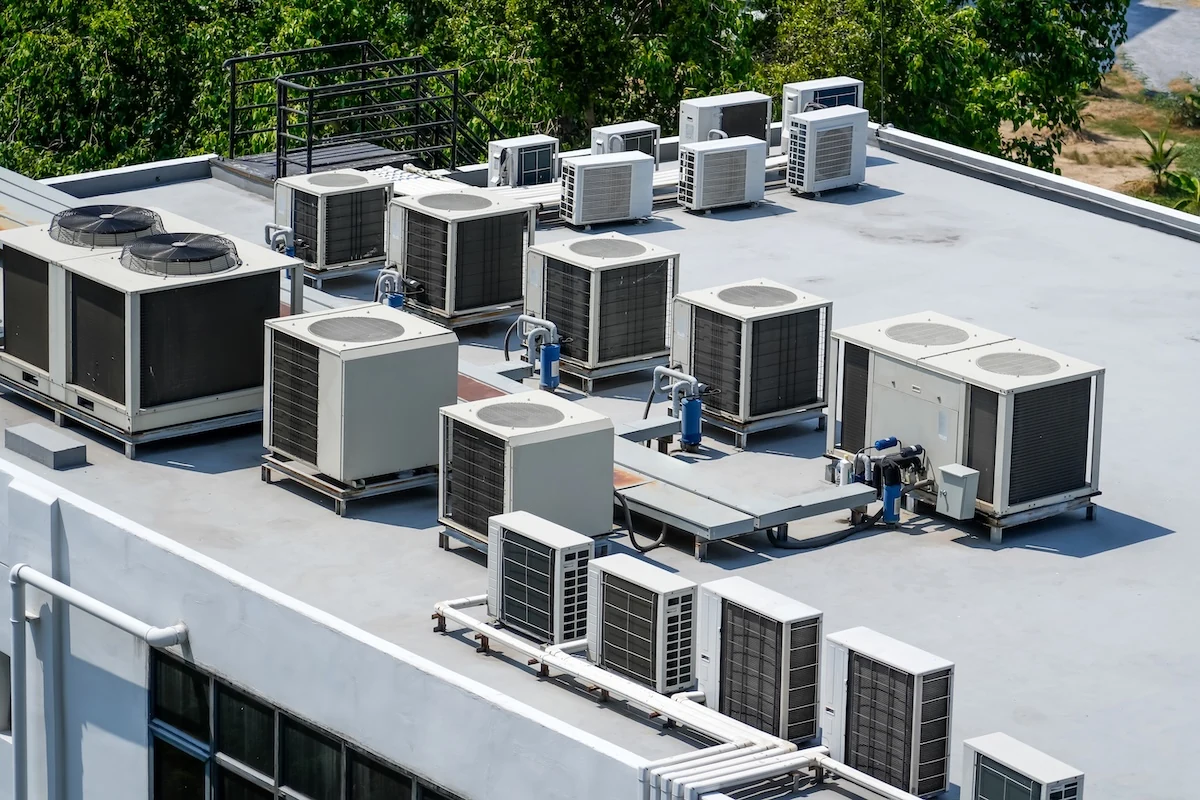
Grocery stores typically run rooftop condensing units for their refrigeration and freezer cases, and those units can't go offline for more than a short window without risking product loss. We map every condensing unit and refrigeration line penetration before starting work, sequencing tear-off to avoid ever isolating a unit longer than the store's refrigeration system can safely tolerate.
Vibration from refrigeration equipment also affects membrane wear differently than standard HVAC units do, and we check the roof area immediately around condensing units more closely during inspections, since that's where we most often find early membrane fatigue on a grocery building.
A Store That Runs Long Hours Needs a Roof Project That Works Around It
Most grocery stores in this valley run early morning to late evening seven days a week, leaving a narrow overnight window for the loudest phases of roof work. We schedule tear-off and major penetration work for those overnight hours when possible, keeping the store's refrigeration systems monitored throughout and coordinating with store management on exactly when crews will be overhead.
Delivery schedules add another layer, since grocery stores receive trucks frequently throughout the day and overnight, and we keep material staging clear of active delivery lanes the same way we would on any high-traffic loading dock.
Energy Load From Refrigeration Makes Reflectivity Matter More Here
A grocery store's HVAC and refrigeration systems already run under heavy load from open cases and walk-in coolers, and a dark, aging membrane absorbing summer heat adds to that burden by raising rooftop equipment surface temperatures during the hottest stretch of the year. We walk grocery owners through the reflectivity conversation specifically because refrigeration equipment has less tolerance for added heat stress than a standard rooftop HVAC unit does.
Insulation condition plays into the same equation, since a grocery store with compressed or wet insulation loses conditioned air through the deck faster, which forces both HVAC and refrigeration systems to work harder just to hold their required temperatures.
- Full-service grocery and supermarket buildings
- Grocery anchors inside neighborhood shopping centers
- Specialty and natural foods grocery stores
- Discount and warehouse-format grocery stores
- Grocery stores with attached pharmacy or deli buildouts
- Standalone grocery buildings with rooftop refrigeration racks
Backroom and Cold Storage Areas Take Priority on Leak Response
A leak over the sales floor is a visible problem, but a leak over backroom cold storage or a walk-in cooler can be a much bigger financial hit before anyone notices, since product loss in a cooler happens quietly. We treat leak calls in backroom refrigeration and storage areas as priority response, even when the affected area is out of customer view.
Roof drains and scuppers near these backroom sections get extra attention during our inspections too, since a clogged drain over a walk-in cooler roof section creates ponding risk directly above product that can't afford any temperature swing from a slow leak.
Freeze-Thaw Cycling at Loading Docks and Backroom Roof Sections
Grocery stores along the valley floor and up toward the bench in Pleasant Grove and Highland see real freeze-thaw cycling through the winter and shoulder seasons, and that cycling hits backroom and loading dock roof sections harder than the sales floor area, since those sections often sit lower and drain differently. We check drain lines and scupper outlets for ice buildup specifically at these lower roof sections during winter visits, since a partially frozen drain can turn a minor rain event into standing water fast.
Rooftop refrigeration equipment near loading docks also sits exposed to more direct winter weather than condensers positioned further into the roof field, and we factor that exposure into how we schedule maintenance visits for stores with equipment layouts like this.
Working Around Remodels and Refrigeration Upgrades
Grocery stores periodically upgrade refrigeration equipment or reconfigure case layouts, and those projects often mean new rooftop penetrations or relocated condensing units. We coordinate with a store's refrigeration contractor during these upgrades so new roof penetrations get flashed correctly the first time, rather than becoming a leak source that shows up months later during the next storm.
We also review existing rooftop penetration history before any remodel, since older grocery buildings sometimes carry abandoned refrigeration lines and unused curbs from previous case layouts that are worth addressing while the roof is already open.
Questions Grocery Store Managers Ask Us
Can you work on our roof without shutting down refrigeration?
Yes, we map every condensing unit and sequence work to avoid isolating any refrigeration system longer than it can safely tolerate.
Do you work overnight to avoid disrupting the store?
We schedule the loudest phases of a project for overnight hours whenever possible and coordinate closely with store management on timing.
Does roof condition really affect our refrigeration energy costs?
Yes, a dark or poorly insulated roof adds heat stress to rooftop condensing units, which already run under heavy load from cases and walk-in coolers.
How fast do you respond to a leak over cold storage?
We treat leaks over backroom refrigeration and storage areas as priority calls, since product loss there can happen quietly before anyone notices.
Can you coordinate with our refrigeration contractor during a remodel?
Yes, we work directly with refrigeration contractors on new penetrations during equipment upgrades so flashing gets done correctly the first time.