Standalone Restaurant Roofing in Provo, UT
Commercial Roofing • Commercial Project Types • Provo,
Restaurant Roofs Along University Parkway and State Street
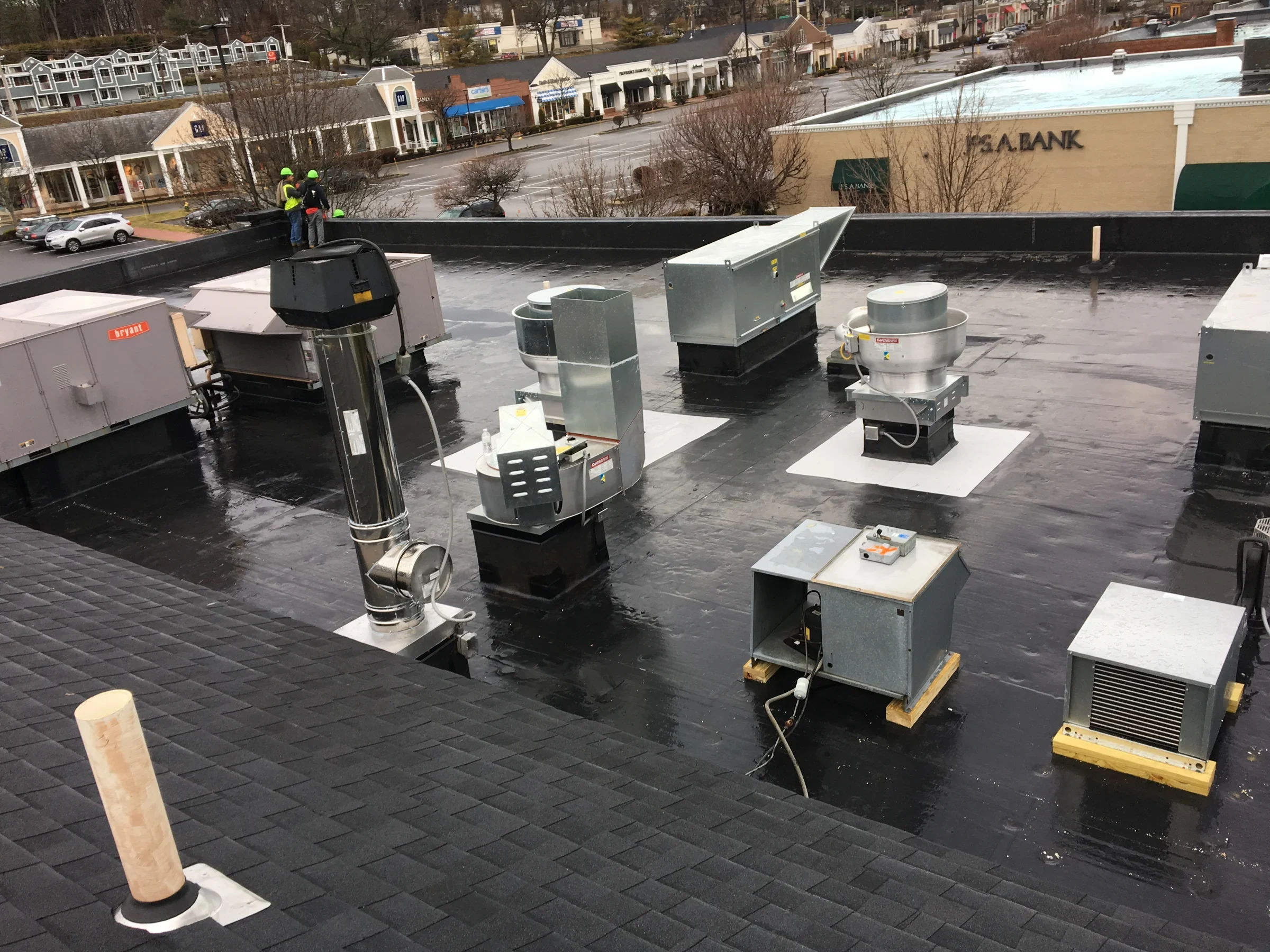
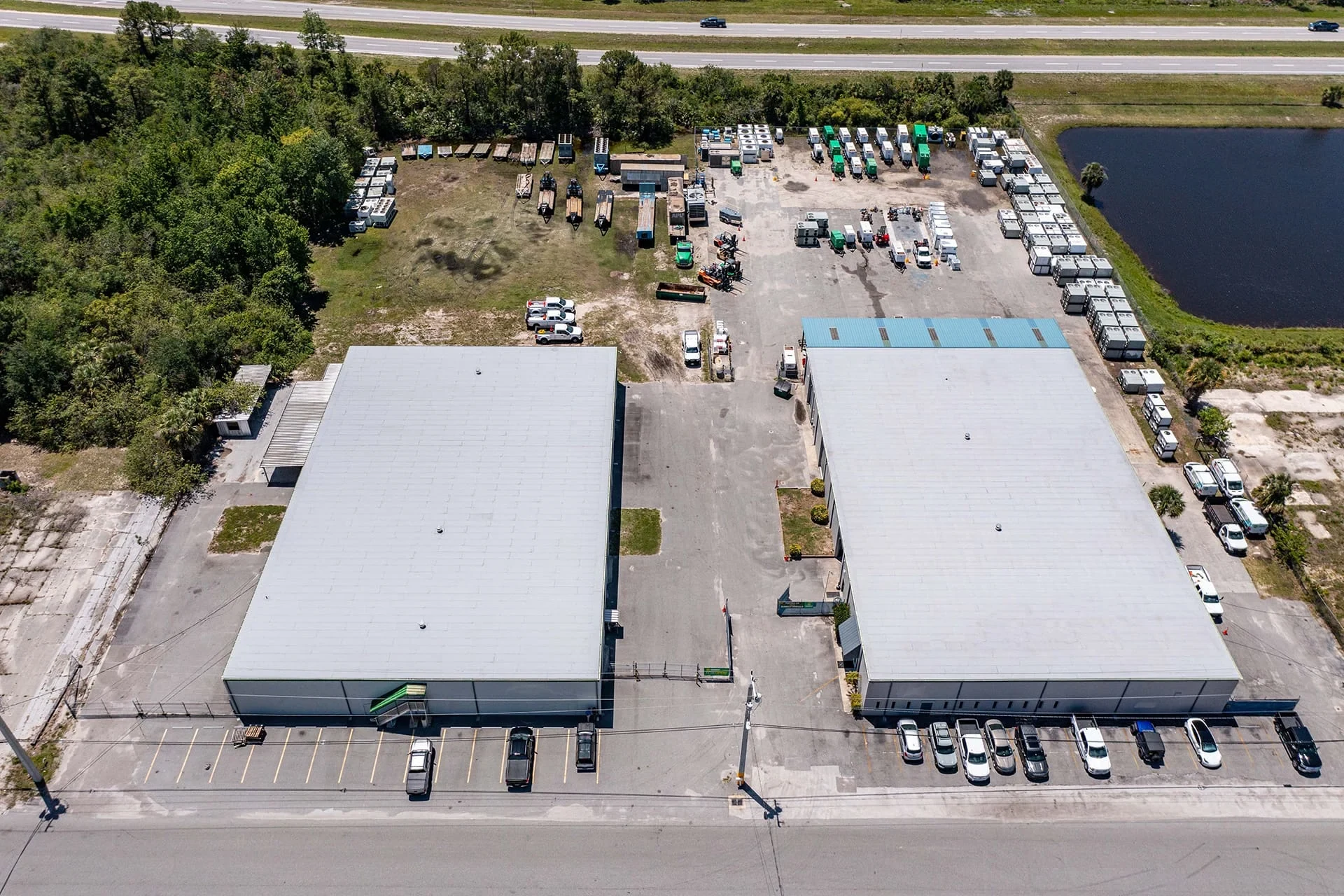
Standalone restaurants line University Parkway, State Street, and the pad sites in front of larger shopping centers throughout Provo and Orem, and nearly every one of them puts a rooftop kitchen exhaust system through more heat and grease exposure than any other type of penetration we work around. A restaurant roof ages differently than a retail or office roof because of that exhaust load, and we plan every inspection and repair with it in mind.
Grease and Heat Exposure Around Kitchen Exhaust Is the Recurring Failure Point
Rooftop kitchen exhaust fans and hood systems vent hot, grease-laden air directly onto the surrounding membrane, and that combination breaks down standard roofing materials faster than almost anything else we see on a commercial roof. We check the membrane area immediately around exhaust penetrations closely during every restaurant inspection, since this is consistently where we find the earliest signs of wear, well before the rest of the roof shows comparable aging.
Grease trap overflow and buildup around rooftop curbs is a fire and maintenance concern as much as a roofing one, and we flag it separately when we see it accumulating, since that buildup accelerates membrane breakdown in that specific area faster than normal weathering would.
After-Hours Scheduling for a Kitchen That Can't Skip Service
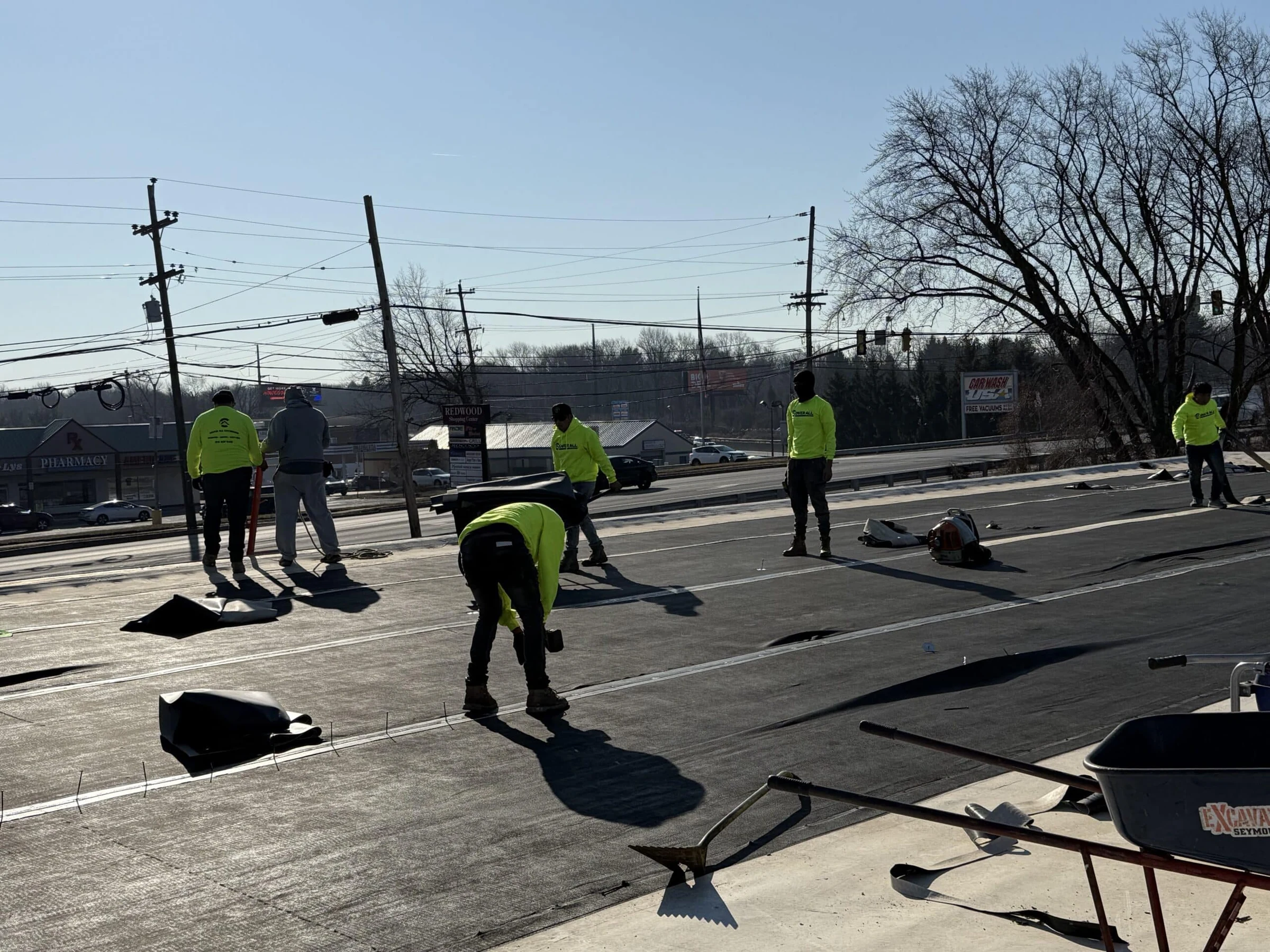
A full-service restaurant runs its kitchen through lunch and dinner service and sometimes breakfast too, leaving a narrow late-night or early-morning window for roof work that needs quiet and unobstructed access above the kitchen. We schedule the loudest phases of a project for those closed hours specifically, coordinating with restaurant management on exact closing and opening times rather than assuming a standard schedule applies.
Exhaust fans have to stay operational through most of the workday even during a roof project, since a kitchen without proper ventilation can't legally or safely keep cooking, and we sequence work to avoid isolating exhaust systems during active service hours.
Kitchen HVAC Load Is Heavier Than It Looks From the Dining Room
A restaurant's HVAC system fights a harder battle than a typical retail tenant's, working against heat generated by cooking equipment, constant door traffic from the entrance, and often a walk-in cooler or freezer pulling its own separate load. Roof insulation and membrane condition affect how much that HVAC system has to compensate for heat gain coming through the deck itself, on top of everything already happening inside the kitchen.
We evaluate reflective membrane options for standalone restaurants with this compounded heat load in mind, since a building already fighting internal kitchen heat benefits more from reducing external roof-driven heat gain than a typical office tenant would.
- Full-service, sit-down restaurant buildings
- Quick-service and fast-casual restaurant pads
- Restaurants with drive-thru lanes and dual kitchen exhaust zones
- Restaurant buildings with rooftop patio or dining structures
- Standalone restaurant pads in front of shopping centers
- Restaurant buildings with walk-in cooler and freezer rooftop condensers
Rooftop Condensers for Walk-In Coolers Need Their Own Attention
Beyond the kitchen exhaust system, most standalone restaurants also carry rooftop condensing units serving walk-in coolers and freezers, and those units can't tolerate extended downtime any more than a grocery store's refrigeration can. We map these condenser locations alongside exhaust penetrations before starting any project, making sure a tear-off sequence never isolates a walk-in cooler's condenser longer than the restaurant's food safety requirements allow.
Vibration from both exhaust fans and refrigeration condensers wears on the surrounding membrane over time, and we check fastener and flashing integrity around all of this rooftop equipment as a standard part of every restaurant visit, not merely when a leak has already shown up.
Drive-Thru Lanes and Dual Kitchen Zones on QSR Buildings
Quick-service restaurants along this corridor often run dual kitchen lines to keep drive-thru and dine-in orders moving at the same time, which sometimes means two separate exhaust systems on one roof rather than the single system a full-service restaurant typically carries. We treat each exhaust zone as its own inspection point on these buildings, since one system showing wear doesn't necessarily mean the other is in the same condition.
Drive-thru canopy roofs attached to the main building sometimes get overlooked during inspections because they're a smaller, separate roof section, and we check that connection point specifically, since the transition between a canopy roof and the main building roof is a common spot for water intrusion.
Questions Restaurant Owners and Operators Ask Us
Why does the roof around our exhaust fans wear out faster than the rest?
Hot, grease-laden air venting directly onto the membrane breaks it down faster than normal weathering, which is why we check that area closely on every visit.
Can you schedule work around our service hours?
Yes, we schedule the loudest phases for your closed hours and sequence work so exhaust systems stay operational during active service.
Does a reflective roof actually help with our kitchen's heat load?
It reduces external heat gain coming through the deck, which helps an HVAC system that's already fighting internal kitchen heat and cooking equipment.
How do you handle our walk-in cooler's rooftop condenser?
We map condenser locations before starting work and sequence tear-off to avoid isolating the unit longer than your food safety requirements allow.
Do you check drive-thru canopy roofs separately from the main building?
Yes, the transition point between a canopy roof and the main roof is a common leak spot, so we inspect that connection specifically.