Office Complex Roofing in Provo, UT
Commercial Roofing • Commercial Project Types • Provo,
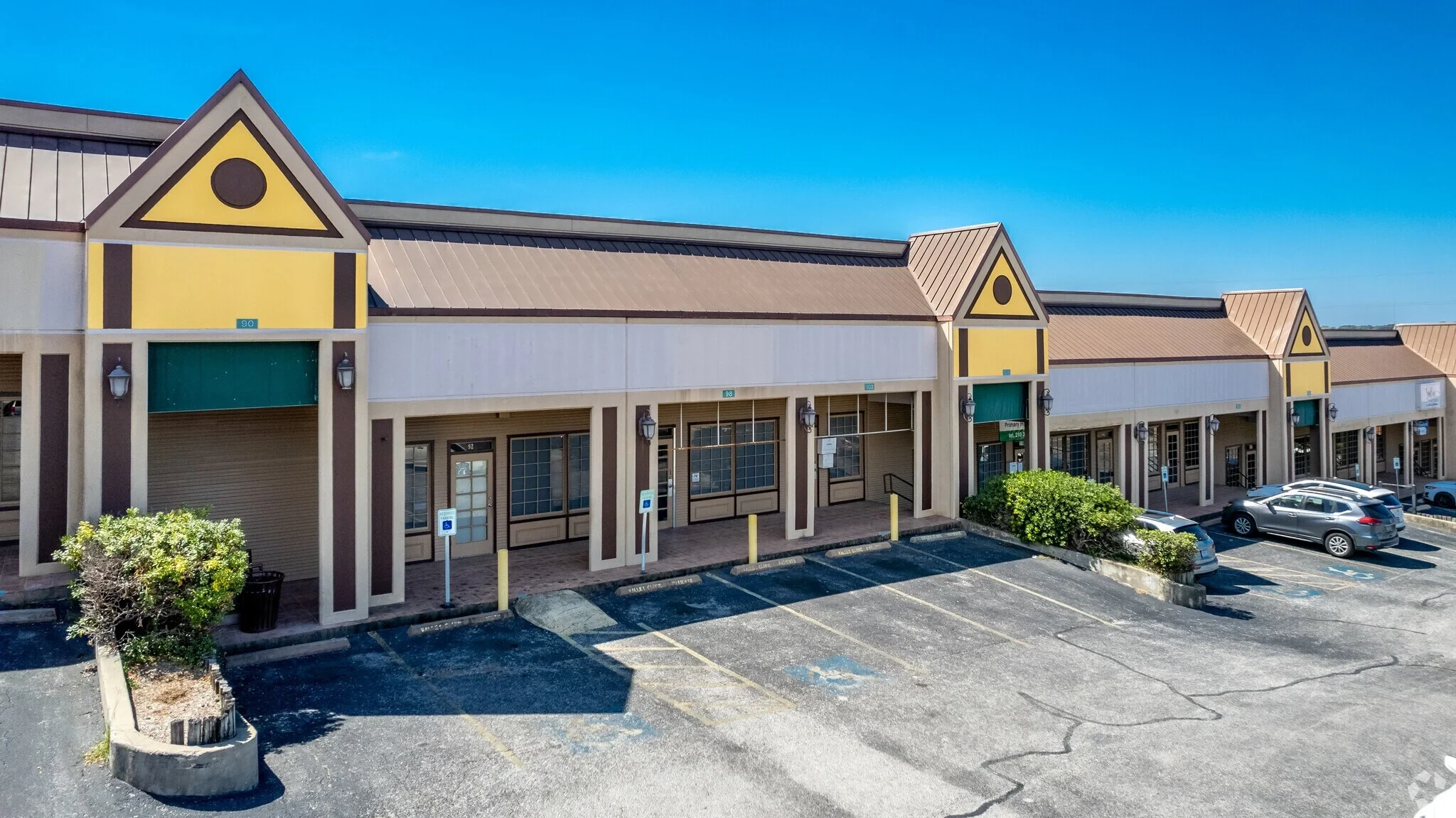
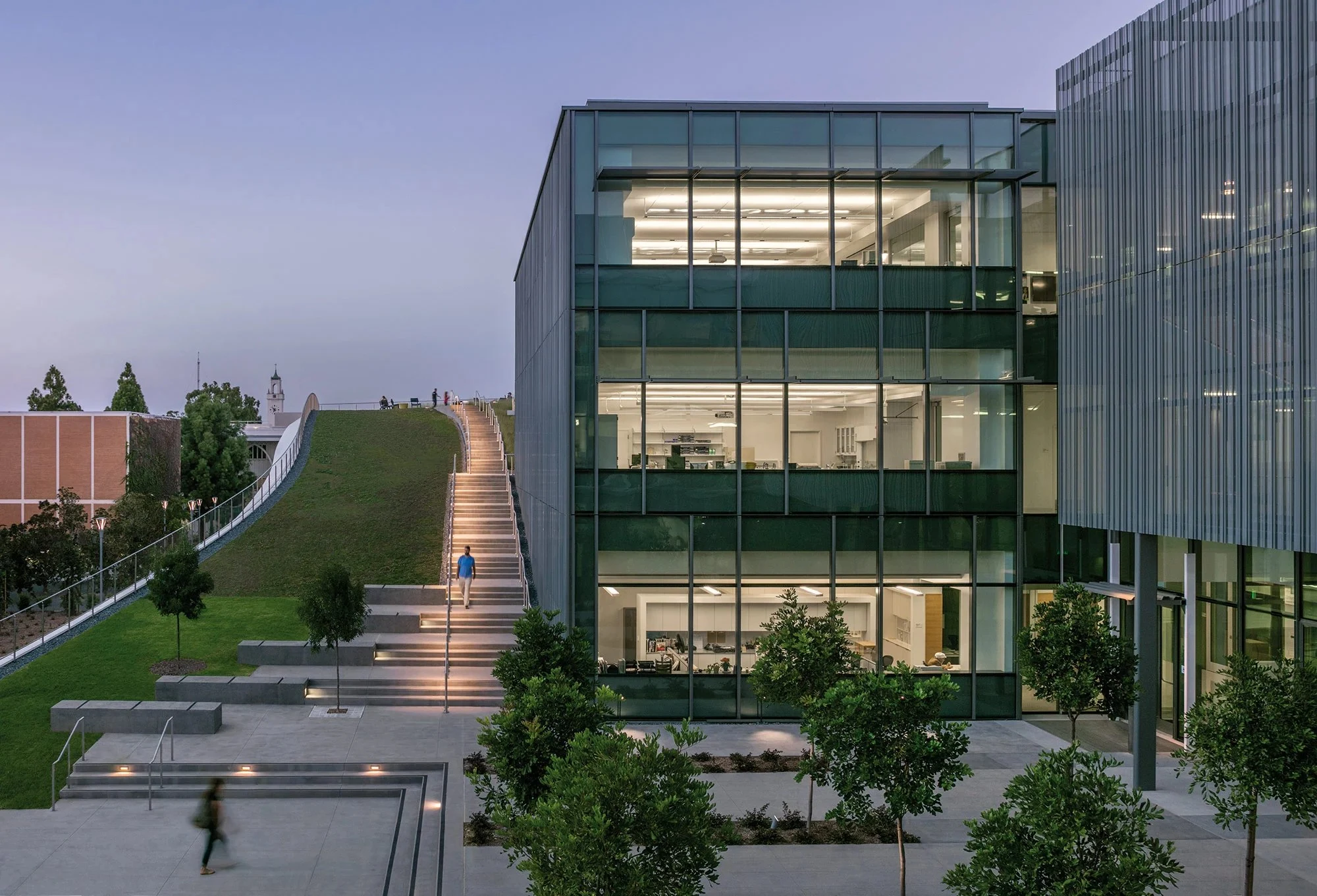
Office Roofs Between the Silicon Slopes Corridor and Downtown Provo
Office construction in Utah County has followed the tech growth north from Lehi's Thanksgiving Point corridor down through American Fork and Pleasant Grove, then south into the older office stock along University Avenue in downtown Provo. Each of those markets puts a different load on a roof, and we treat a single-tenant headquarters building differently than a multi-tenant tower with a dozen HVAC zones.
Lehi's Tech Campus Roofs Carry a Bigger Utility Bill Than They Look Like
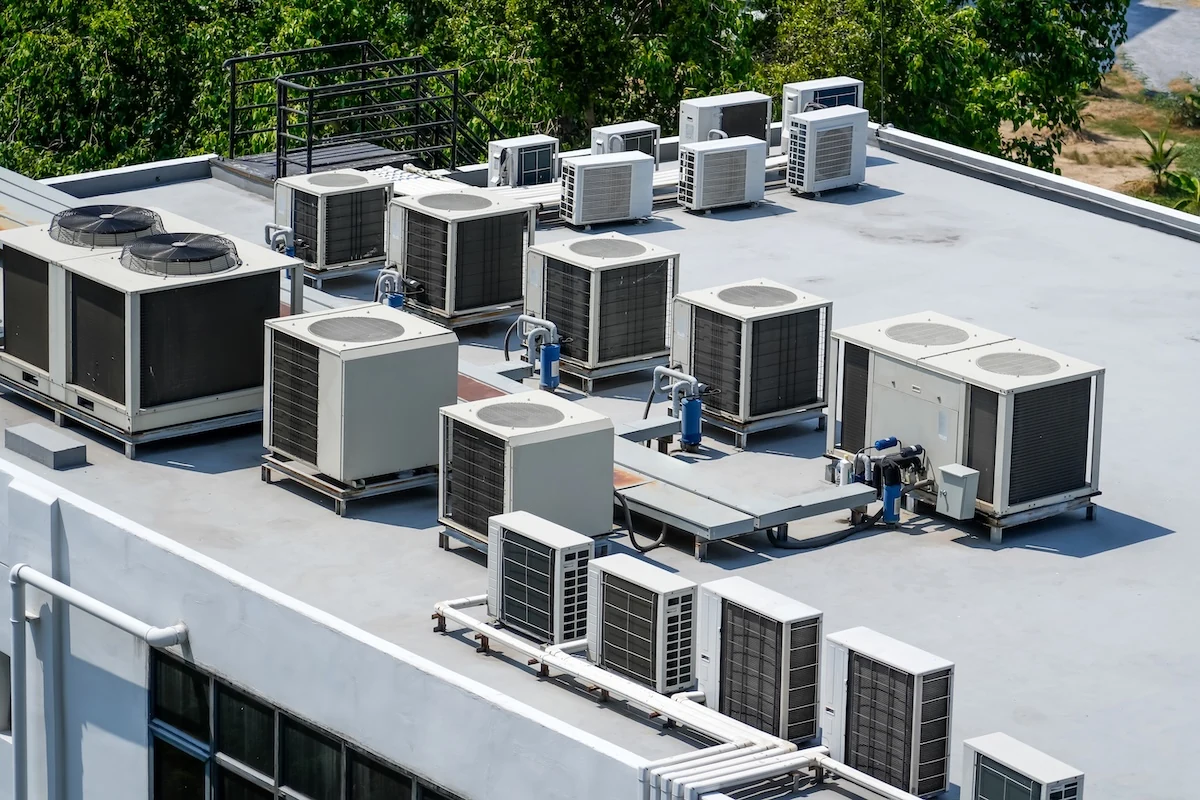
A low-slope roof over an open-plan tech office is doing more work than most owners realize. Server rooms and comms closets run cooling loads around the clock, and rooftop units cycle constantly to keep pace. The membrane surface temperature directly affects how hard those units have to work, which is why we walk owners through the reflectivity conversation before a recover or replacement, not after.
A white TPO or PVC membrane over a data-heavy office building can take real heat off rooftop equipment during the long stretch of clear, high-UV summer days this valley gets. We look at the mechanical schedule and the building's actual cooling profile before recommending a membrane color, since a campus running 24-hour server loads has a different equation than a nine-to-five professional office.
Thanksgiving Point and American Fork Corporate Parks Have Their Own Roof Geometry
Corporate parks around Thanksgiving Point and along the American Fork frontage tend to be built as clusters of two- and three-story buildings under one ownership group or management company, often with matching parapet detailing and shared rooftop mechanical screening. Servicing one building in a cluster without a plan for the rest just means repeat mobilization costs later.
We build maintenance programs for these multi-building owners that track each roof separately but schedule inspections and repairs together, since a park built in the same construction phase tends to show wear at close to the same rate across every building.
Snow Load Numbers Change Fast as You Move Up the Bench
Utah County offices sit anywhere from the valley floor near 4,500 feet up toward the foothill developments in Highland and Alpine, and required ground snow loads shift noticeably with that elevation gain. A structural roof assessment for a bench-level office building has to account for snow drift patterns against parapets and rooftop mechanical screens that a valley-floor building might never see.
Ice buildup at parapet transitions and around mechanical curbs is a recurring callout on these higher-elevation office buildings, usually tied back to insulation gaps that let interior heat escape and melt snow unevenly across the field.
Keeping Server Rooms and Comms Closets Dry During Occupied-Building Work
Tearing off a section of roof directly above an active data closet or server room is one of the higher-stakes jobs we take on in an office building, since a leak in the wrong spot during that work can take down a company's network for a business day. We sequence penetration and flashing work around these rooms specifically, protecting them with temporary dry-in before opening any adjacent roof section.
Multi-tenant office towers add a layer of coordination on top of that, since work above one tenant's suite can generate noise and vibration that another tenant on a different floor still notices. We schedule the loudest phases of tear-off around building hours the property manager sets, not merely our own crew's convenience.
- Class A corporate campuses and single-tenant headquarters buildings
- Multi-tenant office towers with divided mechanical zones
- Corporate park clusters under shared ownership or management
- Medical and professional office conversions
- Flex office and light-industrial hybrid buildings
- Older University Avenue office stock with legacy roof systems
Reflective Roofing and the Real Utility Math for a Wasatch Front Office Building
A reflective membrane pays off differently here than it would in a milder climate, because Utah Valley gets intense summer UV at altitude alongside genuinely cold winters with real heating demand. We weigh the cooling-load benefit of a white membrane against the insulation package underneath it, since color alone does relatively little for a roof that's losing heat through a thin or compressed insulation layer in January.
On a recover project, insulation thickness and R-value usually matter more to the long-term utility bill than membrane color choice, and we walk owners through both numbers together rather than selling reflectivity as a standalone fix. A building with a properly insulated deck and a reflective surface gets the benefit on both ends of the year, which is the target we're usually working toward.
Rooftop unit placement plays into this too. Units clustered near a dark membrane field run against a hotter surrounding surface temperature than the same units over a reflective field, and that difference shows up in compressor cycling over a full cooling season.
Common Questions From Office Building Managers
Does a reflective membrane actually lower our HVAC costs here?
It reduces surface temperature around rooftop units during summer, which eases compressor cycling, but the insulation package underneath matters just as much for the full-year utility picture.
Can you work above occupied office space without disrupting tenants?
Yes, we sequence the loudest phases of a project around the hours your property manager sets and protect data closets and server rooms before opening adjacent roof sections.
How does elevation change snow load requirements for our building?
Ground snow loads increase as you move up the bench toward Highland and Alpine, and drift patterns against parapets and mechanical screens change with it, so we evaluate each building's actual site elevation.
Do you manage roofs across a multi-building corporate park under one program?
Yes, we track each roof individually but schedule inspections and repairs together for owners managing a park built in the same construction phase.
What's the tradeoff between membrane color and winter heat loss?
A white membrane helps in summer, but without adequate insulation a building still loses heat through the deck in winter, so we address both together rather than treating color as a complete solution.