Multifamily Apartment Roofing in Provo, UT
Commercial Roofing • Commercial Project Types • Provo,
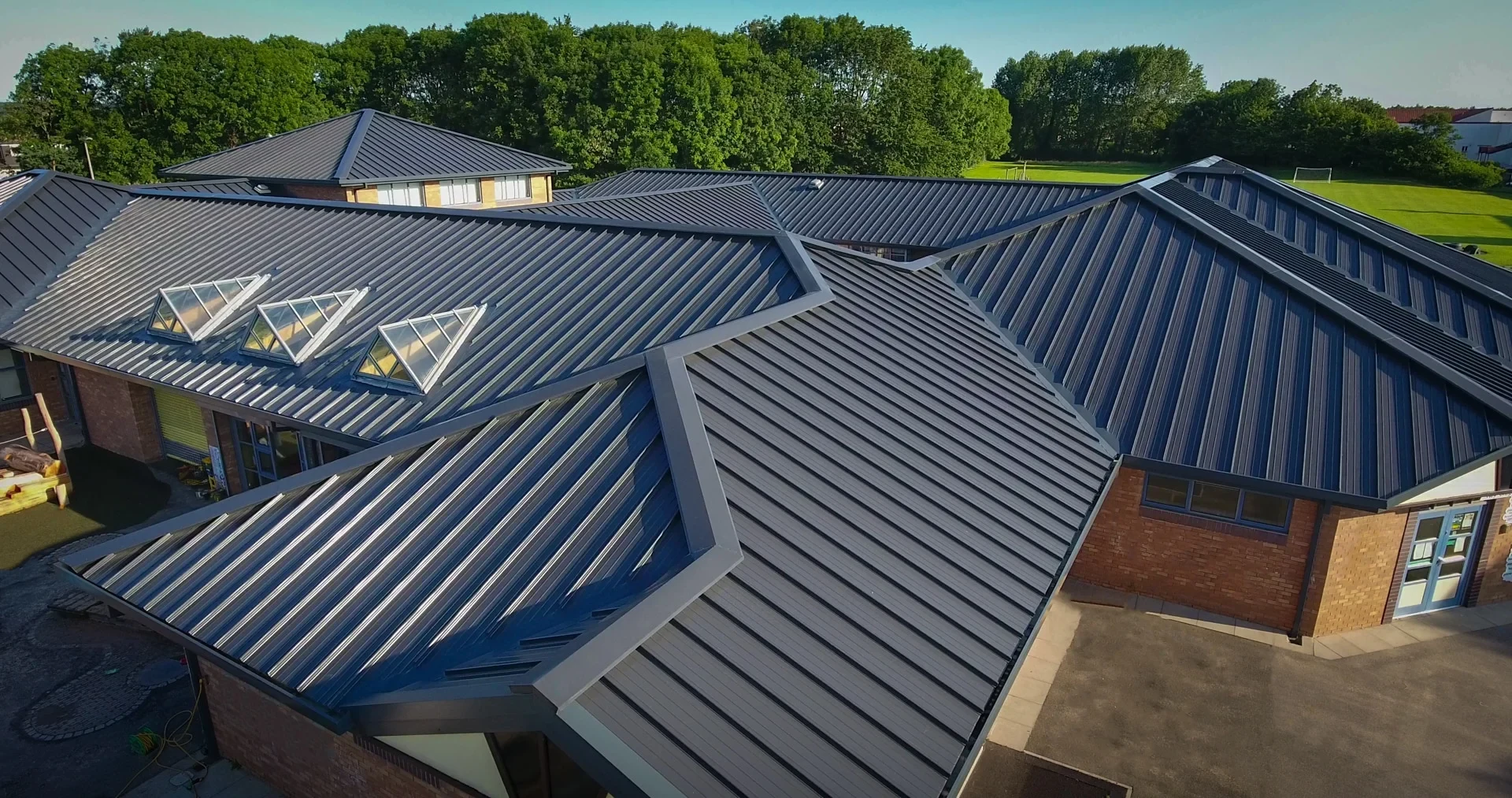
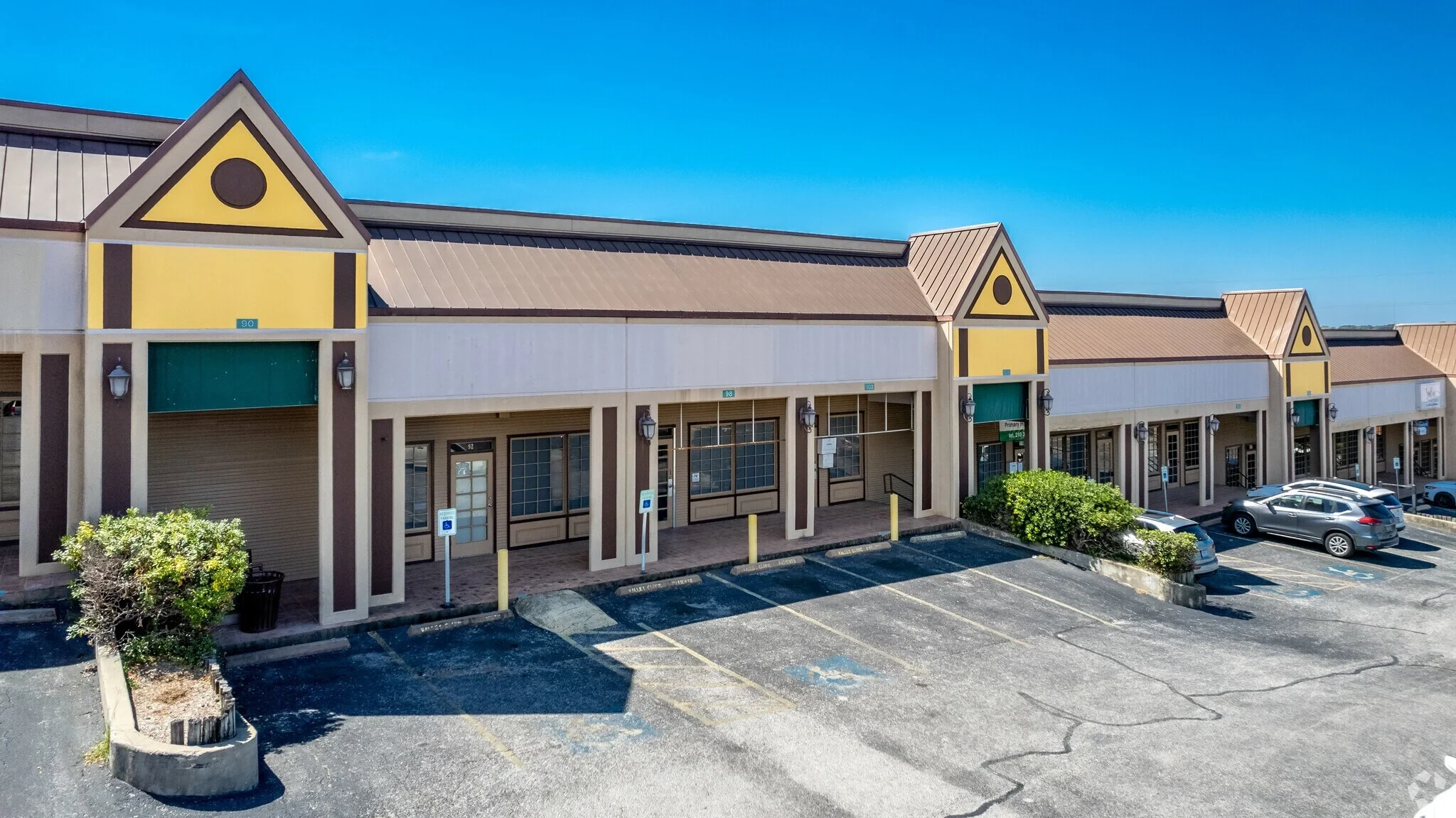
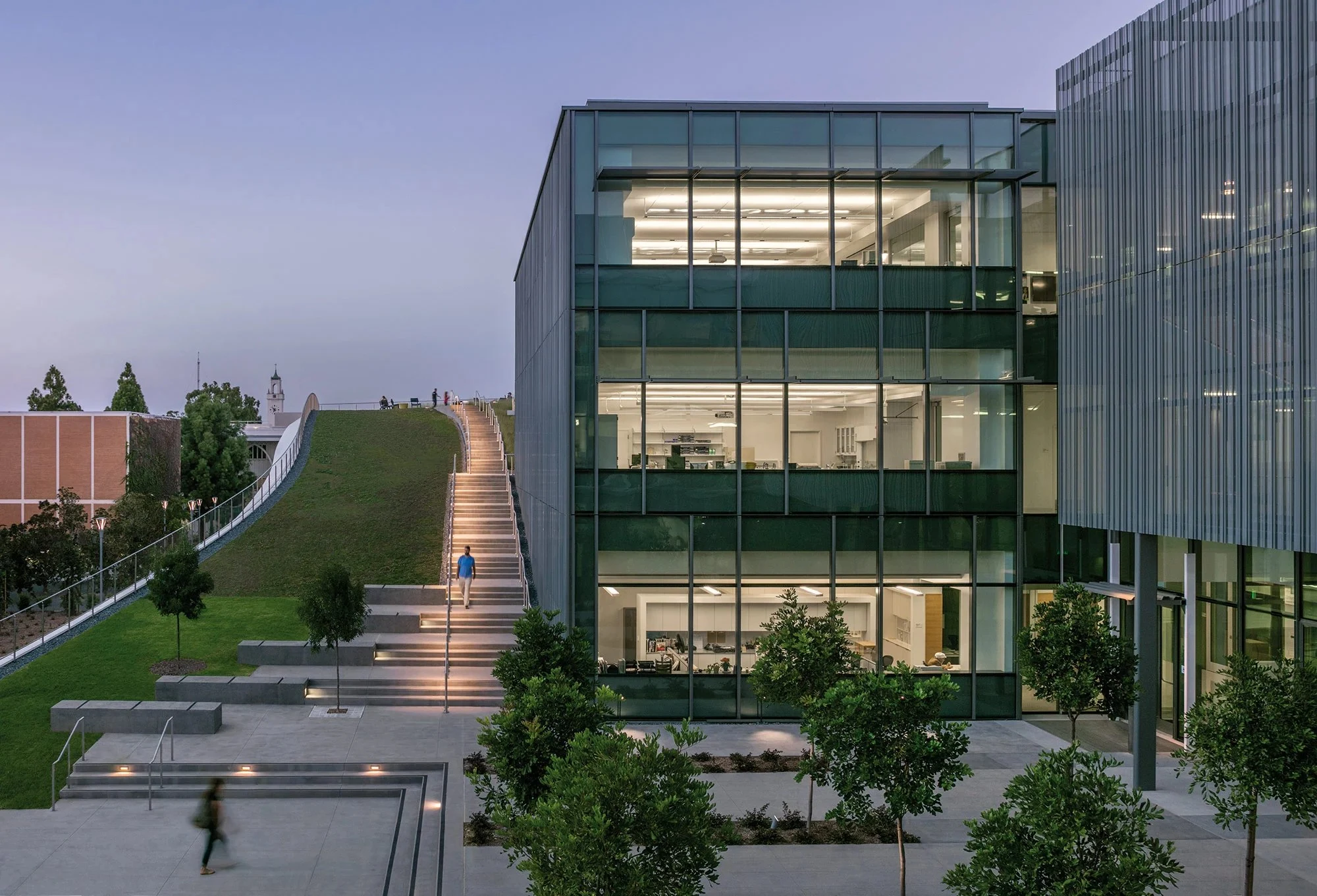
Apartment and Student Housing Roofs Around BYU and UVU
Multifamily construction in this valley runs on two tracks at once: dense student housing packed close to BYU and UVU campuses, and a wave of new market-rate apartment communities going up fast in Vineyard, Saratoga Springs, and Eagle Mountain as those cities absorb Utah County's growth. Both types stay occupied nearly year-round, and neither gives us the empty-building luxury a vacant commercial property would.
Student Housing Runs on a Different Calendar Than It Looks Like
Housing near BYU and UVU used to empty out for summer the way a college town traditionally does, but with year-round academic terms, summer session enrollment, and interns staying in the area, a lot of these buildings now stay meaningfully occupied through what used to be the quiet season. We coordinate with property managers on actual unit-by-unit occupancy rather than assuming a calendar break means an empty building.
Move-in and move-out weekends around fall and winter semester starts create their own scheduling problem, with parking lots and walkways full of moving trucks and furniture. We avoid staging material drops and dumpsters during those specific weekends whenever a project timeline allows it.
Fast-Growth Apartment Communities in Vineyard, Saratoga Springs, and Eagle Mountain
The newer apartment communities filling in around Utah Lake and out toward Eagle Mountain are mostly still under original construction warranties, and our work on them leans toward inspection, punch-list flashing repair, and documentation rather than replacement. We check these buildings closely for installation-level issues, since a fast construction pace across a growing metro sometimes means flashing and penetration details get less attention than they should during the original build.
As these communities age past their warranty periods over the next several years, property owners will start facing their first real recover decisions, and we track roof condition on these newer buildings now specifically so there's a documented history by the time that decision comes.
Occupied-Building Work Without Displacing Tenants
A multifamily roof project happens above people's homes, which changes how we plan tear-off sequencing compared to a vacant commercial roof. We work building by building or wing by wing on larger apartment complexes, keeping occupied units below dry and protected while work continues on adjacent sections, and we give property managers a clear schedule they can pass along to residents ahead of time.
Noise timing matters more here too, since residents working from home or on non-standard shifts don't share a single quiet window the way an office tenant base might. We stick to the hours a property manager sets rather than assuming standard business hours apply.
- Dense student housing near BYU and UVU campuses
- New market-rate apartment communities in growth corridors
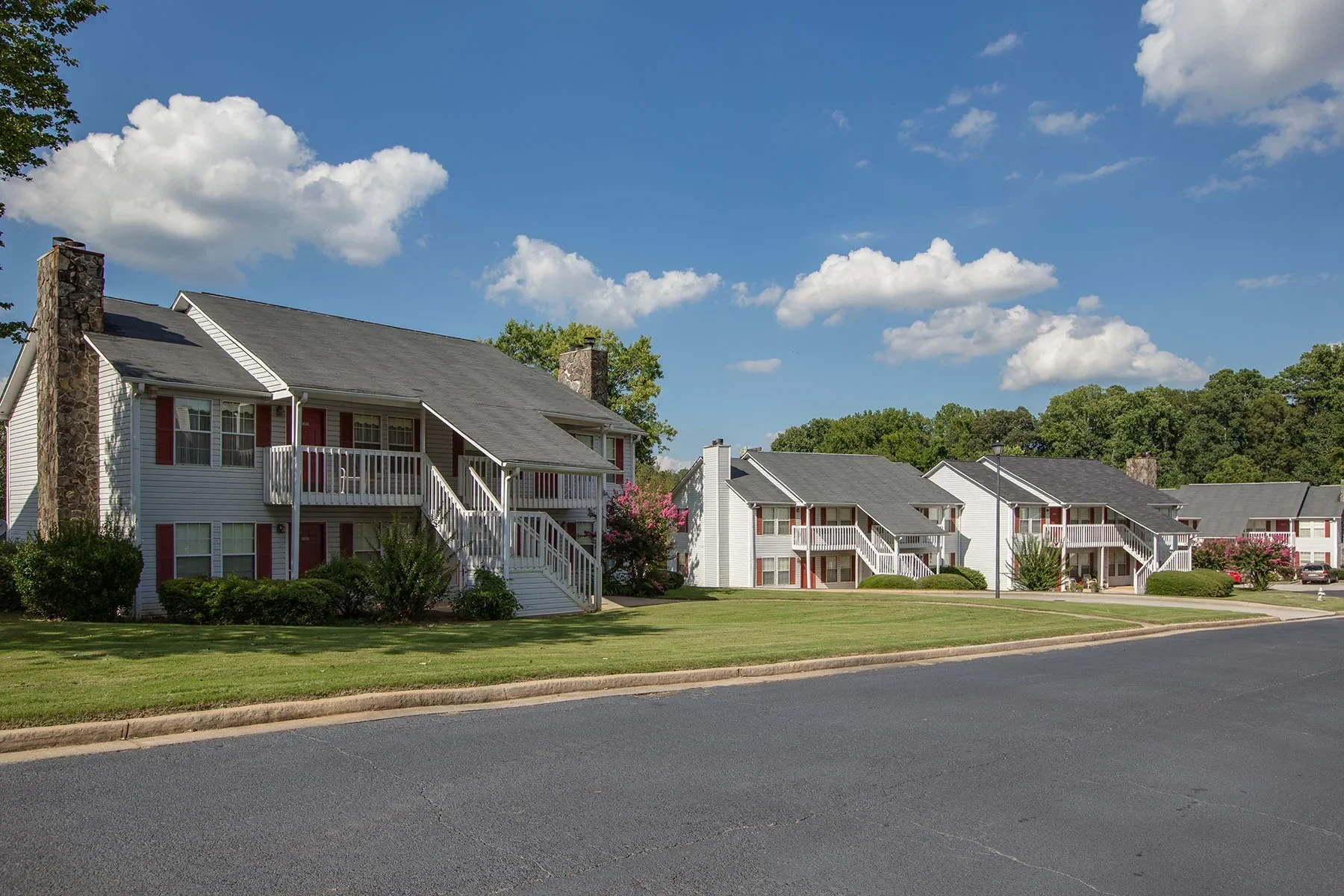
- Garden-style apartment complexes with multiple low-slope buildings
- Mixed-use buildings with residential over ground-floor retail
- Senior and age-restricted apartment communities
- Older apartment stock with legacy built-up or modified bitumen roofs
Insulation and the Tenant Utility Cost Conversation
Roof insulation condition affects apartment tenants directly through their own utility bills, since top-floor units feel heat loss and heat gain through the roof deck more than any other unit in the building. An owner weighing a roof recover on an older apartment property benefits from thinking about insulation upgrade alongside membrane replacement, since better insulation reduces the heating and cooling strain tenants experience on the top floor specifically.
Reflective membrane choice plays into this too, particularly on garden-style complexes with a high ratio of roof area to unit count, where summer heat gain through a dark, aging membrane can push top-floor cooling costs noticeably higher than units below.
Older Apartment Stock Near Downtown Provo and Central Orem
Older apartment buildings closer to downtown Provo and central Orem often carry legacy built-up or modified bitumen roofs that have been through multiple patch and recover cycles over the decades, and these buildings need a different kind of evaluation than the newer growth-corridor communities. We check remaining membrane thickness and flashing condition carefully on these older properties, since an owner weighing another recover against a full tear-off benefits from knowing how many more cycles the existing assembly can realistically support.
Freeze-thaw cycling through a typical Utah Valley winter is harder on these older, multi-layer roof assemblies than it is on a newer single-ply membrane, since repeated patch seams and aging flashing give water more opportunities to get underneath the surface and expand as it refreezes. We flag these vulnerable seams during fall inspections specifically, ahead of the season where that cycling does the most damage.
Working With Property Management Companies Across a Portfolio
A lot of apartment ownership in this valley runs through property management companies overseeing several communities at once, and we build maintenance programs that track roof condition across an entire portfolio rather than treating each community as an isolated call. That approach helps a management company budget capital roof spending across properties instead of reacting site by site as leaks show up.
We also flag when an issue at one community points to a pattern likely to repeat at a sister property built by the same developer around the same time, which comes up often in fast-growth areas where several communities went up within a short window of each other.
Questions Property Managers Ask Us
Can you work on our roof without displacing tenants?
Yes, we sequence work building by building or wing by wing, keeping occupied units below dry throughout the project.
Do you avoid move-in and move-out weekends?
We plan around those weekends whenever the project timeline allows, since parking lots and walkways get busy with moving traffic.
Does roof insulation really affect our residents' utility bills?
Yes, top-floor units feel roof-related heat loss and heat gain more than any other unit, so insulation condition matters directly to resident comfort and cost.
Can you inspect a newer building still under construction warranty?
Yes, we check flashing and penetration details closely on newer construction and document findings that support a warranty claim if needed.
Do you manage roofs across a multi-property portfolio?
Yes, we track condition across an entire portfolio for property management companies overseeing multiple communities.